Quote · Added 14 February 2026
Excellence encourages one about life generally; it shows the spiritual wealth of the world.
George EliotMiddlemarch, p. 123, 1871
Filed underexcellence·spirituality·encouragement
Quote · Added 14 February 2026
Filed underexcellence·spirituality·encouragement
When you witness someone doing something exceptionally well—whether it's a teacher who genuinely listens to each student, a craftsperson who refuses to cut corners, or a friend who shows up consistently for people they care about—something shifts in you. It's not just admiration. There's a quiet sense of relief, even hope. Seeing excellence reminds us that human beings are capable of more than the mediocrity we often settle for, that care and attention still matter in a world that constantly pushes us toward shortcuts and half-measures.
This matters more now than ever because we're drowning in low effort. We scroll through content designed to barely hold our attention, accept services designed to barely function, and often phone in our own efforts without much thought. But excellence—real excellence—breaks through that fog. It proves something about what's possible, about what people can choose to do even when nobody's watching and nobody would know the difference.
The spiritual wealth George Eliot mentions isn't about religion or mysticism. It's about recognizing that human potential for care, mastery, and integrity is still abundant, still alive. When you witness it, it reminds you that you have that capacity too. Excellence isn't just about being better than everyone else. It's about being better than you thought possible, and that insight can change how you move through the world.
1819–1880·lived 61 years
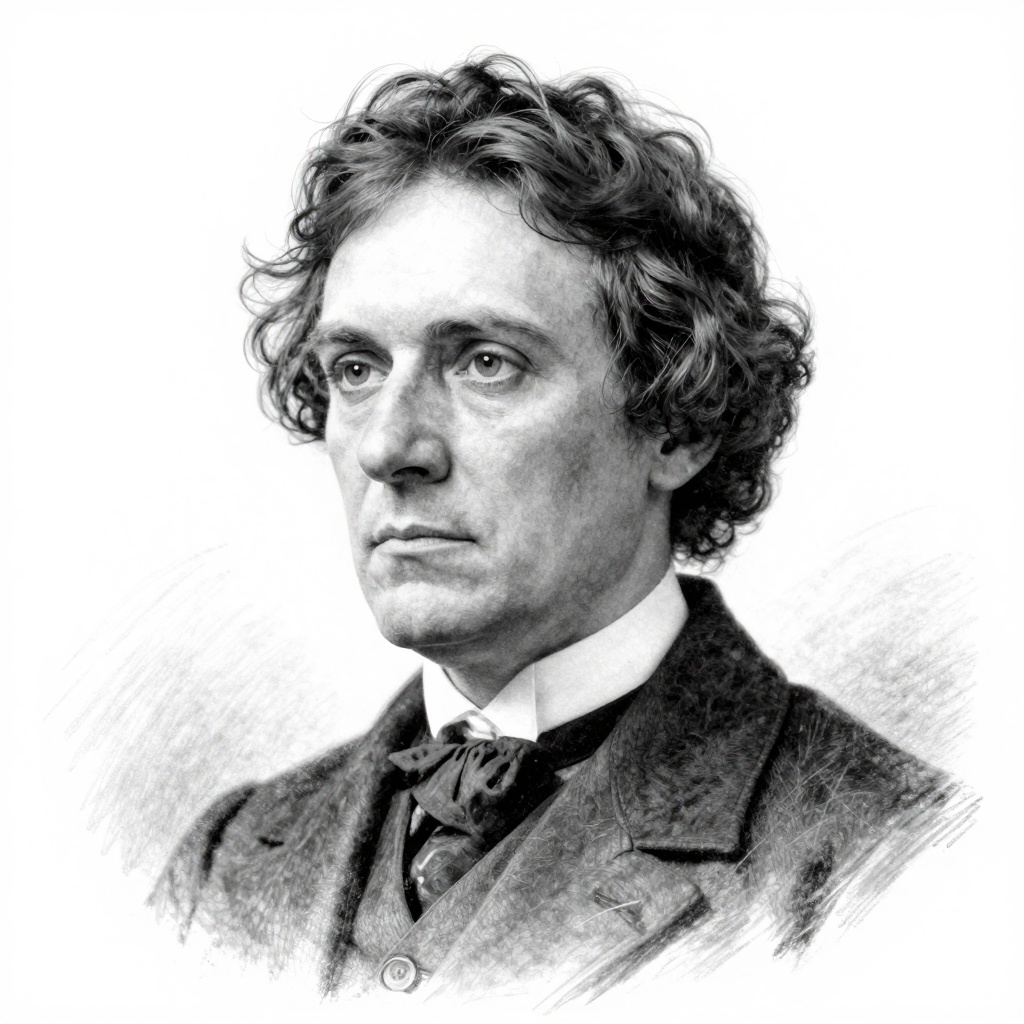
George Eliot was an English novelist and one of the leading writers of the Victorian era. She is known for her works such as "Middlemarch" and "Silas Marner," which explore complex human emotions and moral dilemmas with a keen psychological insight. Eliot's writing often focused on social issues and the struggles of everyday life, making her a prominent figure in English literature.
Comments