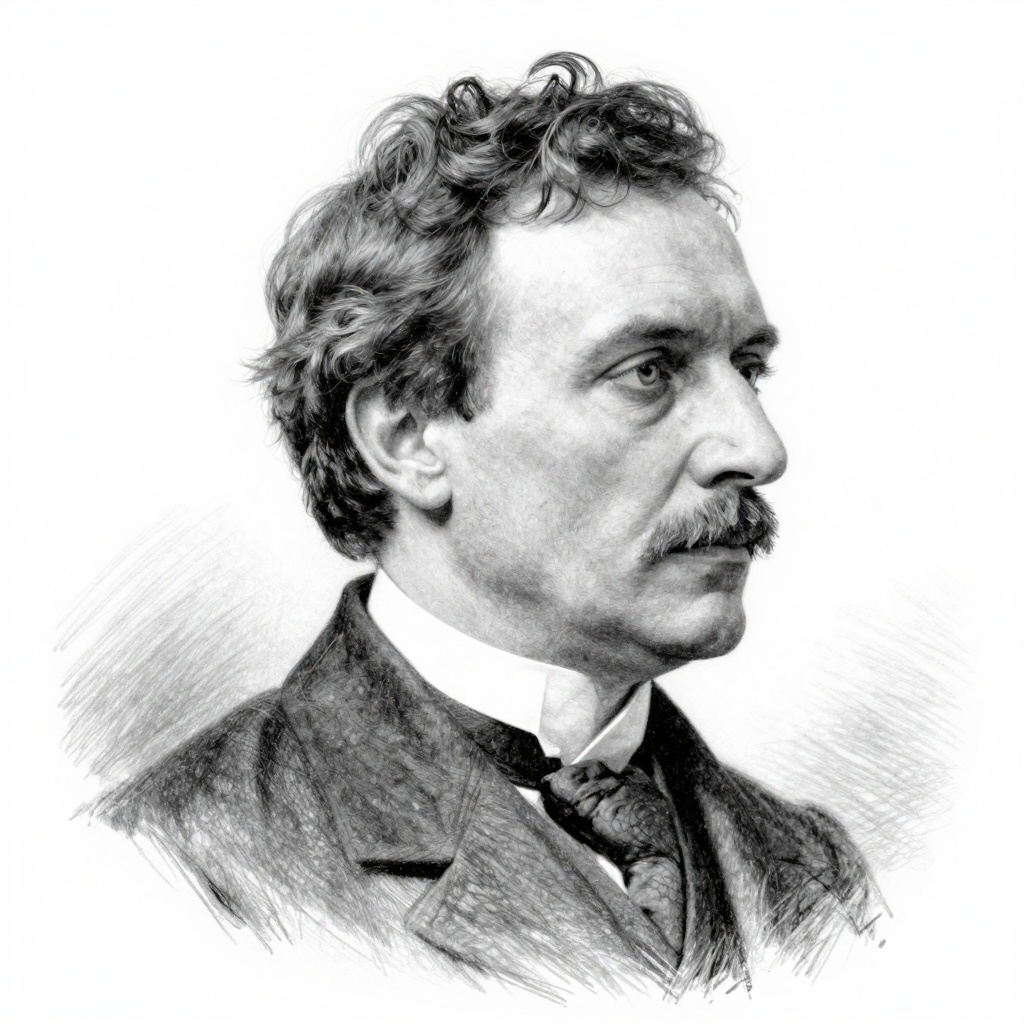
Defeat is not the worst of failures. Not to have tried is the true failure. — George Edward Woodberry

Defeat is not the worst of failures. Not to have tried is the true failure.

Author: George Edward Woodberry

Insight: There's a particular kind of regret that sticks around longer than any loss. It's not the sting of trying hard and falling short—that actually fades, sometimes even transforms into respect for yourself. It's the quiet knowledge that you never stepped up at all. That you talked yourself out of it, waited for the perfect moment, or let fear do your deciding for you. Most people know this in their bones. We're far less haunted by the times we swung and missed than by the chances we never took. A failed relationship teaches you something. A failed business attempt makes you sharper. But never trying? That leaves you wondering forever. It's the ghost question that never gets answered: what if you had? The counterintuitive part is how trying, even unsuccessfully, often changes your life more than the comfortable alternative. You meet people along the way. You learn what you're actually capable of. You stop being afraid of the specific thing because you've already faced it. Defeat is loud and temporary. Not trying is a slow, permanent whisper of doubt that follows you around.

The regret that never fades

Defeat is not the worst of failures. Not to have tried is the true failure.

There's a particular kind of regret that sticks around longer than any loss. It's not the sting of trying hard and falling short—that actually fades, sometimes even transforms into respect for yourself. It's the quiet knowledge that you never stepped up at all. That you talked yourself out of it, waited for the perfect moment, or let fear do your deciding for you.

Most people know this in their bones. We're far less haunted by the times we swung and missed than by the chances we never took. A failed relationship teaches you something. A failed business attempt makes you sharper. But never trying? That leaves you wondering forever. It's the ghost question that never gets answered: what if you had?

The counterintuitive part is how trying, even unsuccessfully, often changes your life more than the comfortable alternative. You meet people along the way. You learn what you're actually capable of. You stop being afraid of the specific thing because you've already faced it. Defeat is loud and temporary. Not trying is a slow, permanent whisper of doubt that follows you around.

AI generated

Comments

Sign in to leave a comment or reply to one.

Sign in

George Edward Woodberry

George Edward Woodberry (1855-1930) was an American poet, literary critic, and educator known for his contributions to American literature and his role in the development of literary criticism in the late 19th and early 20th centuries. He served as a professor at various institutions, including Columbia University, and was recognized for his works that explored themes of nature and philosophical introspection. Woodberry is also noted for his studies on notable authors such as Edgar Allan Poe and Nathaniel Hawthorne.

Graph

Related