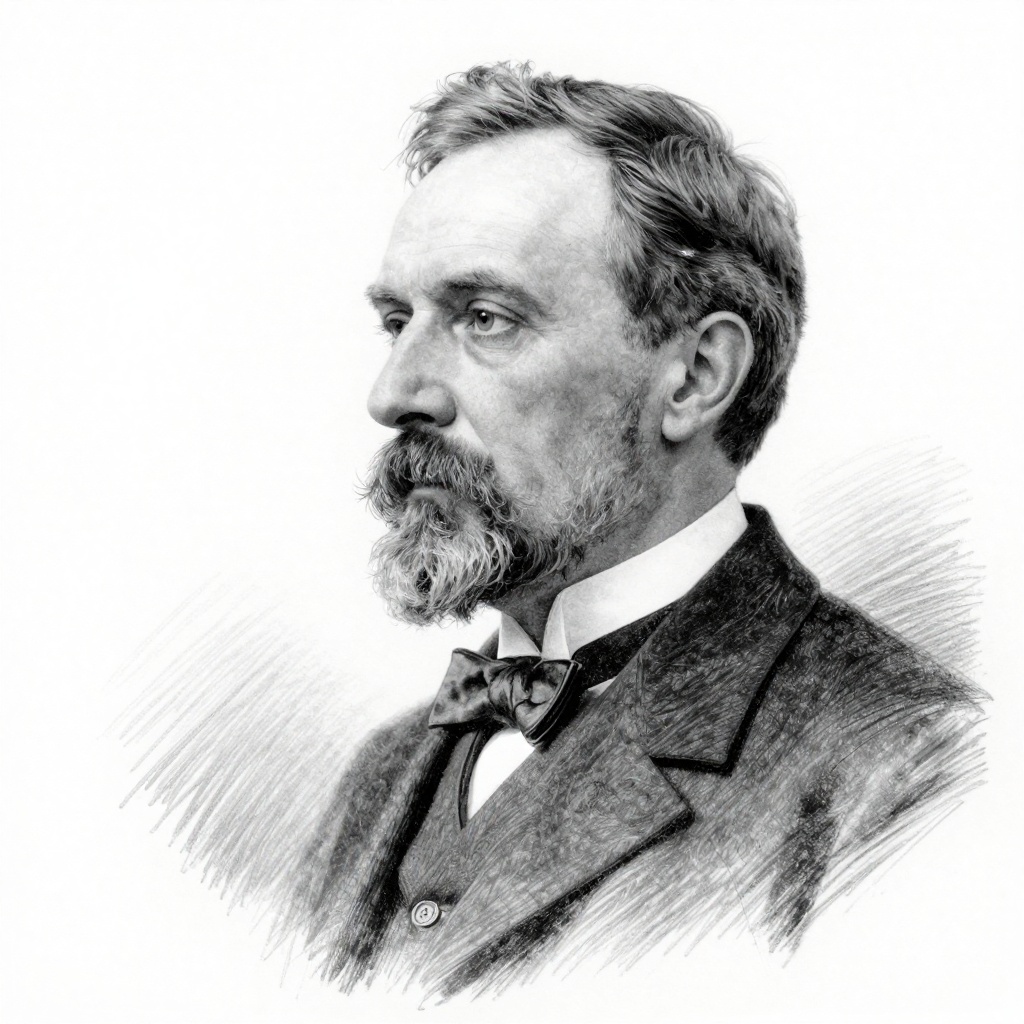
But if each man could have his own house, a large garden to cultivate and healthy surroundings - then, I thoug... — George Cadbury

But if each man could have his own house, a large garden to cultivate and healthy surroundings - then, I thought, there will be for them a better opportunity of a happy family life.

Author: George Cadbury

Insight: There's something deeply appealing about this idea: give people space, roots, and control over their own corner of the world, and happiness naturally follows. It sounds almost too simple, which is probably why we still return to it today. When we're stressed or unhappy, we often fantasize about having more — more room, more green space, more distance from the chaos. But here's the twist: Cadbury believed this in the context of building worker housing during the industrial revolution, when most people had almost nothing. His insight was radical then precisely because happiness seemed to require either wealth or luck. What's interesting now is that we have more space and comfort than ever, yet the promise hasn't fully delivered. Many people with houses and gardens still struggle with family life, connection, and peace. Maybe the real insight isn't that physical space creates happiness, but that lack of basic security and dignity makes happiness nearly impossible. You can't feel at home when you're precarious. You can't think clearly about what matters when you're cramped and stressed. The garden in his vision wasn't really about flowers — it was about autonomy and dignity. That part, we still get right.

Space Alone Won't Save Us

But if each man could have his own house, a large garden to cultivate and healthy surroundings - then, I thought, there will be for them a better opportunity of a happy family life.

There's something deeply appealing about this idea: give people space, roots, and control over their own corner of the world, and happiness naturally follows. It sounds almost too simple, which is probably why we still return to it today. When we're stressed or unhappy, we often fantasize about having more — more room, more green space, more distance from the chaos.

But here's the twist: Cadbury believed this in the context of building worker housing during the industrial revolution, when most people had almost nothing. His insight was radical then precisely because happiness seemed to require either wealth or luck. What's interesting now is that we have more space and comfort than ever, yet the promise hasn't fully delivered. Many people with houses and gardens still struggle with family life, connection, and peace. Maybe the real insight isn't that physical space creates happiness, but that lack of basic security and dignity makes happiness nearly impossible. You can't feel at home when you're precarious. You can't think clearly about what matters when you're cramped and stressed.

The garden in his vision wasn't really about flowers — it was about autonomy and dignity. That part, we still get right.

AI generated

Comments

Sign in to leave a comment or reply to one.

Sign in

George Cadbury

George Cadbury was a British chocolate manufacturer and philanthropist, born on September 19, 1839. He co-founded the Cadbury chocolate company with his brother, which became renowned for its high-quality chocolate products and ethical business practices. Cadbury was also known for his commitment to social reform and improving the welfare of his workers, contributing to the development of Bournville, a model village for employees.

Graph

Related