Quote · Added 23 August 2023
In questions of science, the authority of a thousand is not worth the humble reasoning of a single individual.
Galileo GalileiLetter to the Grand Duchess Christina, 1615
No ratings yet
Quote · Added 23 August 2023
There's something almost rebellious about this idea, especially now when we're drowning in expert opinions and competing studies. Galileo wasn't saying expertise doesn't matter—he was pointing at something darker: the human tendency to stop thinking once someone important has already done the thinking for us. We see this everywhere. A celebrity endorses a diet, and suddenly thousands accept it without question. A news outlet declares something settled, and we move on. We're not really lazy; we're just pattern-matching to authority because it feels safer than sitting with uncertainty.
The tricky part is that individual reasoning can also be catastrophically wrong. One person can reason themselves into conspiracy theories or dangerous health decisions with absolute conviction. So what Galileo really meant wasn't "trust yourself over everyone"—it was "engage your mind." Ask the awkward questions. Understand not just what experts say, but why. Notice when something feels off, even if it comes from someone credentialed and impressive. The real power isn't in isolated thinking or blind trust. It's in that uncomfortable middle ground where you stay curious enough to verify, humble enough to change your mind, and thoughtful enough not to simply inherit someone else's conclusions.
1564–1642·lived 77 years
Galileo Galilei was an Italian astronomer, physicist, and mathematician known as the "father of observational astronomy" and the "father of modern physics." He is best known for improving the telescope and making significant astronomical observations, including the four largest moons of Jupiter, which are now known as the Galilean moons. Galileo played a crucial role in the Scientific Revolution and his work laid the foundation for modern physics and astronomy.
Also by Galileo Galilei
The universe is written in the language of mathematics.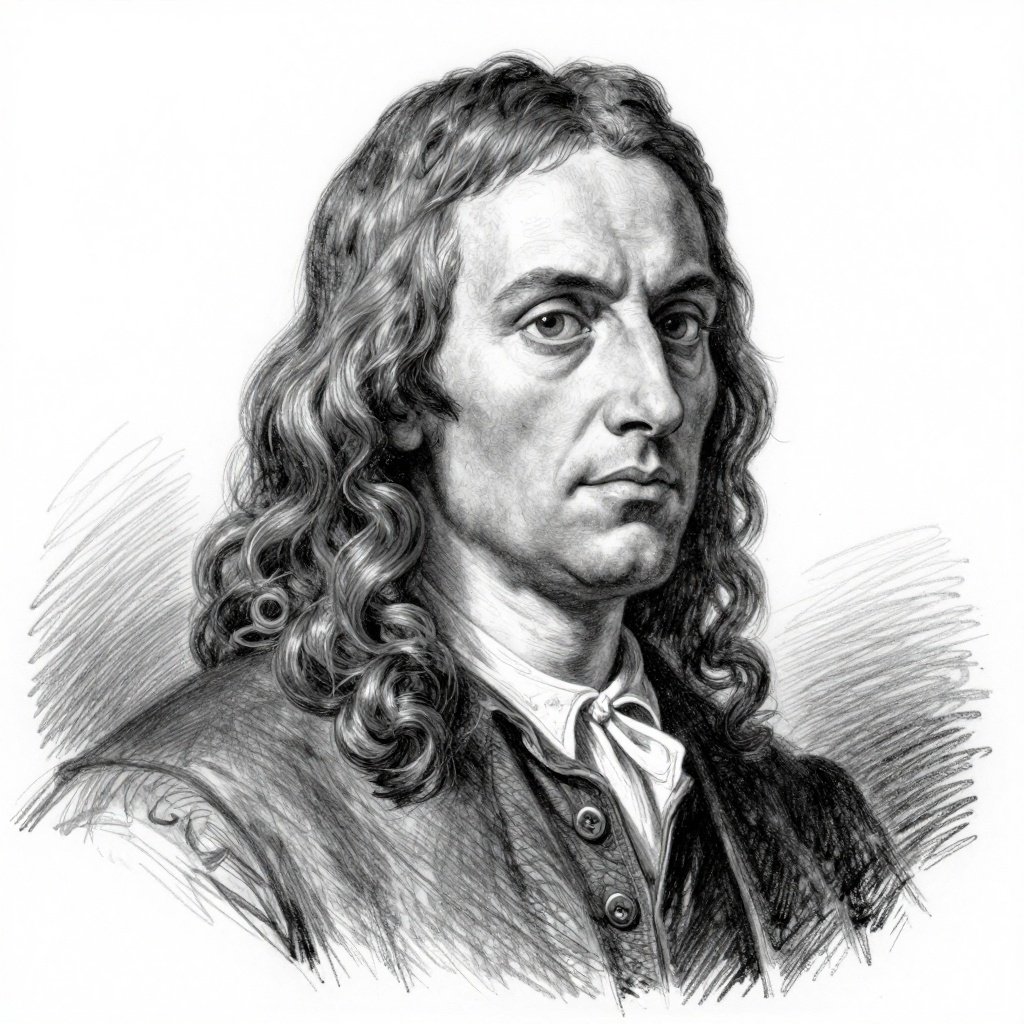
Comments