Quote · Added 14 February 2026
If I were again beginning my studies, I would follow the advice of Plato and start with mathematics.
Galileo GalileiThe Socratic Method, 2023
No ratings yet
Filed undermathematics·education·philosophy
Quote · Added 14 February 2026
Filed undermathematics·education·philosophy
There's something quietly radical in Galileo's admission here. This isn't a famous scientist gatekeeping—it's someone near the end of his life recognizing he'd built his understanding backwards. He'd learned to observe nature brilliantly, to question authority, to think experimentally. But he's saying: start with the structure first. Learn how to think in patterns, relationships, and precision before you try to decode the world.
We still get this backwards. We want the payoff immediately—the interesting discovery, the big idea, the practical application. But mathematics isn't really about numbers. It's about training your mind to see connections, to follow logic ruthlessly, to catch yourself when you're being sloppy. Learning math early isn't about becoming a scientist; it's about developing the kind of thinking that keeps you from fooling yourself, whether you're reading an argument, managing money, or just trying to understand what's actually happening versus what you feel.
The real insight is simpler than it sounds: foundation matters more than we think, and there's no shortcut to clear thinking. Galileo had the luxury of realizing this only after becoming brilliant. Most of us don't get that second chance, which makes listening to the advice that much more valuable.
1564–1642·lived 77 years
Galileo Galilei was an Italian astronomer, physicist, and mathematician known as the "father of observational astronomy" and the "father of modern physics." He is best known for improving the telescope and making significant astronomical observations, including the four largest moons of Jupiter, which are now known as the Galilean moons. Galileo played a crucial role in the Scientific Revolution and his work laid the foundation for modern physics and astronomy.
Also by Galileo Galilei
The universe is written in the language of mathematics.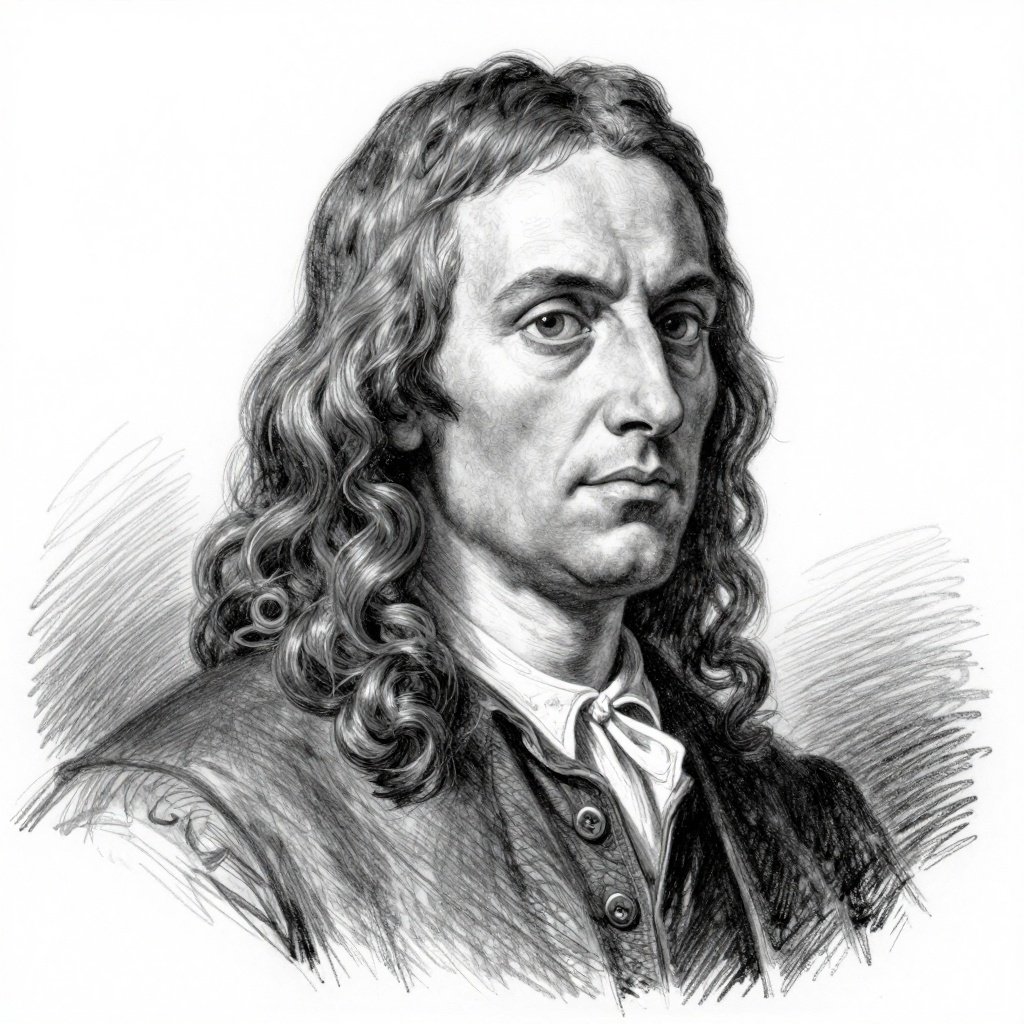
Comments