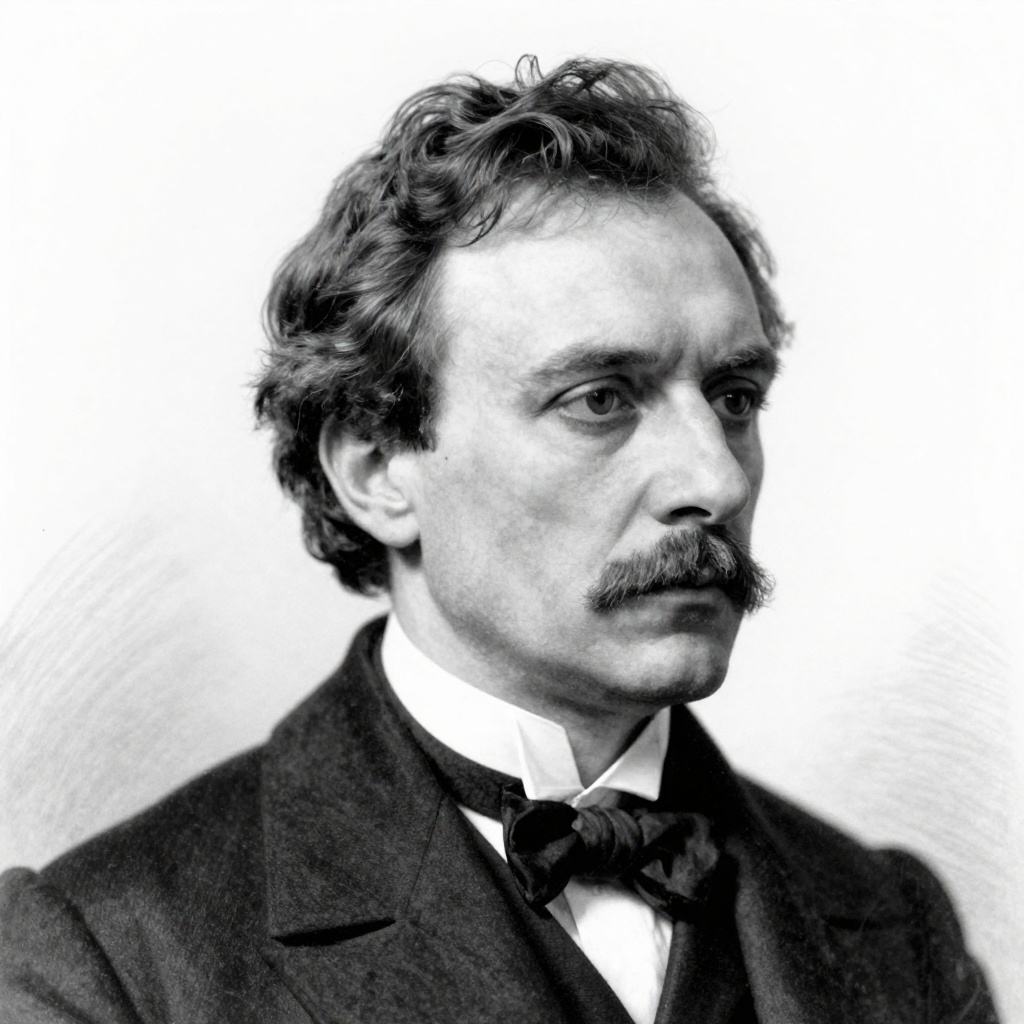
You sensed that you should be following a different path, a more ambitious one, you felt that you were destine... — Fyodor Dostoevsky

You sensed that you should be following a different path, a more ambitious one, you felt that you were destined for other things but you had no idea how to achieve them and in your misery you began to hate everything around you.

Author: Fyodor Dostoevsky

Insight: There's a particular kind of unhappiness that doesn't come from failure—it comes from suspecting you're not even trying. You catch yourself in moments of clarity where something whispers that you're settling, that you're capable of more, and then the doubt hits: What if I'm wrong? What if I try and fail anyway? So you stay put, and that gap between who you think you could be and who you actually are starts to poison everything. Your job feels pointless. Your relationships feel shallow. Even your hobbies annoy you. The real culprit isn't the external world—it's the internal conflict you're refusing to acknowledge. Dostoevsky understood that this kind of stalled ambition breeds resentment. It's easier to blame your circumstances, your family, society's unfairness—anything but yourself. But here's the uncomfortable part: that bitterness is often a sign you already know what you need to do. You're not hating everything because you're powerless. You're hating everything because some part of you knows you're choosing comfort over the harder, scarier path. The way out isn't waiting for perfect clarity or ideal conditions. It's usually just one small step toward the thing you're already half-aware you should be pursuing.

The poison of untaken paths

You sensed that you should be following a different path, a more ambitious one, you felt that you were destined for other things but you had no idea how to achieve them and in your misery you began to hate everything around you.

There's a particular kind of unhappiness that doesn't come from failure—it comes from suspecting you're not even trying. You catch yourself in moments of clarity where something whispers that you're settling, that you're capable of more, and then the doubt hits: What if I'm wrong? What if I try and fail anyway? So you stay put, and that gap between who you think you could be and who you actually are starts to poison everything. Your job feels pointless. Your relationships feel shallow. Even your hobbies annoy you. The real culprit isn't the external world—it's the internal conflict you're refusing to acknowledge.

Dostoevsky understood that this kind of stalled ambition breeds resentment. It's easier to blame your circumstances, your family, society's unfairness—anything but yourself. But here's the uncomfortable part: that bitterness is often a sign you already know what you need to do. You're not hating everything because you're powerless. You're hating everything because some part of you knows you're choosing comfort over the harder, scarier path. The way out isn't waiting for perfect clarity or ideal conditions. It's usually just one small step toward the thing you're already half-aware you should be pursuing.

AI generated

Comments

Sign in to leave a comment or reply to one.

Sign in

Fyodor Dostoevsky

Fyodor Dostoevsky (1821–1881) was a renowned Russian writer known for his groundbreaking novels exploring psychological complexities and existential themes. His works, such as "Crime and Punishment" and "The Brothers Karamazov," have had a profound influence on literature, philosophy, and psychology, making him one of the greatest novelists in history.

Graph

Related