Quote · Added 15 February 2026
What is hell? I maintain that it is the suffering of being unable to love.
No ratings yet
Quote · Added 15 February 2026
Most of us think of hell as punishment—fire, darkness, external torment inflicted on us. But Dostoevsky points at something closer to home: hell is internal and psychological. It's the state of being locked away from connection, unable to reach toward another person with genuine care. When you can't love, you're isolated not by walls but by your own hardness.
This hits differently when you recognize it in modern life. Think of someone bitter after a betrayal, or someone so defended against disappointment that they've stopped trying. They're not being tortured; they're experiencing the slow suffocation of pushing everyone away. Even high achievers can suffer this way—so focused on winning or controlling that the actual warmth of relationship stays out of reach. They have everything except the thing that makes life feel worth living.
The non-obvious part is that this isn't just about romantic love. It's about the capacity to care, to be vulnerable enough to invest in someone else's wellbeing. When pride, fear, or numbness closes that off, you don't need external punishment. The isolation becomes its own form of hell. Dostoevsky's insight suggests that recovery, then, isn't about better circumstances—it's about cracking yourself open again.
1821–1881·lived 59 years
Fyodor Dostoevsky (1821–1881) was a renowned Russian writer known for his groundbreaking novels exploring psychological complexities and existential themes. His works, such as "Crime and Punishment" and "The Brothers Karamazov," have had a profound influence on literature, philosophy, and psychology, making him one of the greatest novelists in history.
Also by Fyodor Dostoevsky
Most people don't have original opinions. They just repeat what they heard from someone lo...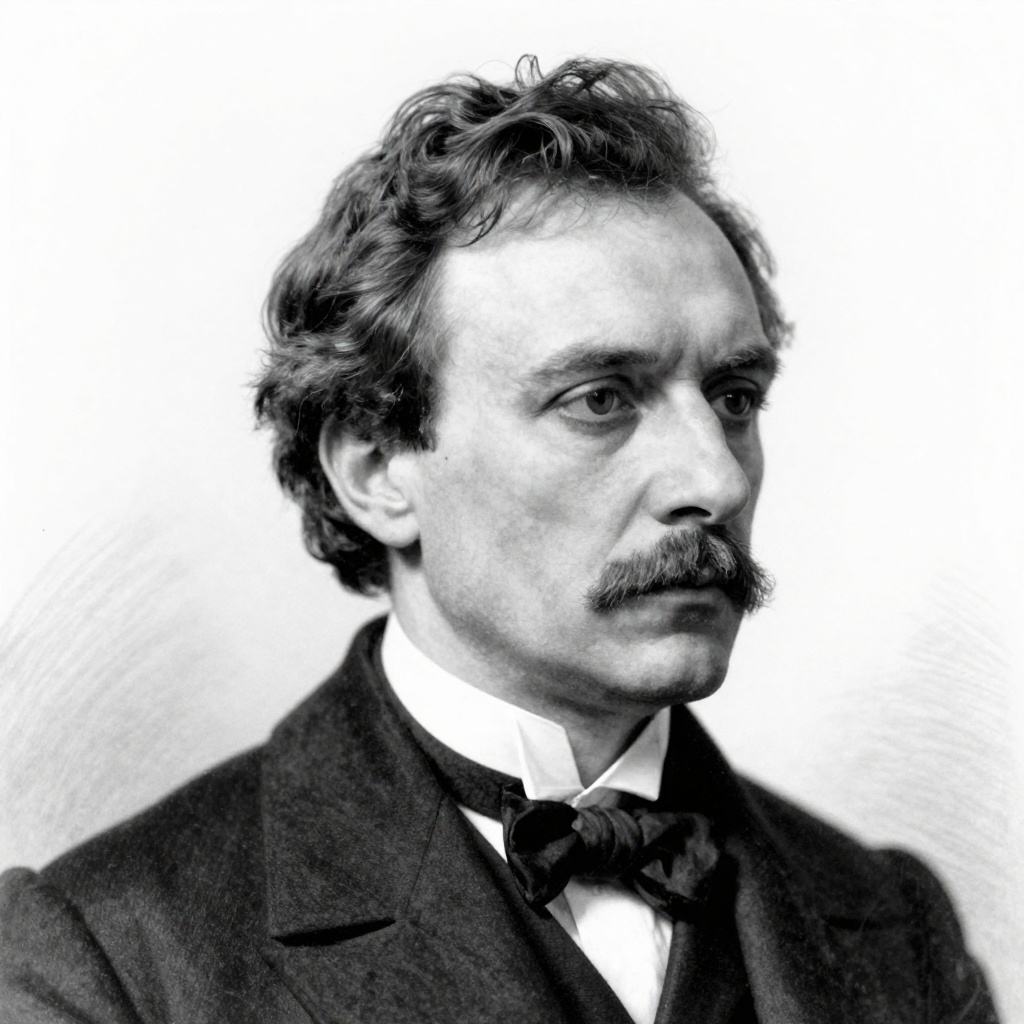
Comments