Quote · Added 5 November 2023
To go wrong in one's own way is better than to go right in someone else's.
Fyodor DostoevskyCrime and Punishment
No ratings yet
Filed underway·individuality·choice
Quote · Added 5 November 2023
Filed underway·individuality·choice
We spend a lot of mental energy trying to follow someone else's blueprint for how to live—their career path, their values, their definition of success. And there's a real comfort in that. If you're doing what worked for them, you can't be blamed when things fall apart, right? But Dostoevsky is pointing at something most of us discover too late: that comfort is a trap. When you're living someone else's right way, you're not actually building a life that fits you. You're just wearing an ill-fitting suit and wondering why nothing feels quite true.
The twist here is that he's not celebrating recklessness or saying truth always feels good. He's saying your own mistakes—the ones you actually made while being yourself—are infinitely more useful than borrowed success. They teach you something. They're data about who you actually are. When your path doesn't work out, at least you learn what doesn't work for you specifically, not just what works in theory. That knowledge compounds over time. You can't fake your way into becoming the person you want to be, even if that person makes a mess along the way.
1821–1881·lived 59 years
Fyodor Dostoevsky (1821–1881) was a renowned Russian writer known for his groundbreaking novels exploring psychological complexities and existential themes. His works, such as "Crime and Punishment" and "The Brothers Karamazov," have had a profound influence on literature, philosophy, and psychology, making him one of the greatest novelists in history.
Also by Fyodor Dostoevsky
Most people don't have original opinions. They just repeat what they heard from someone lo...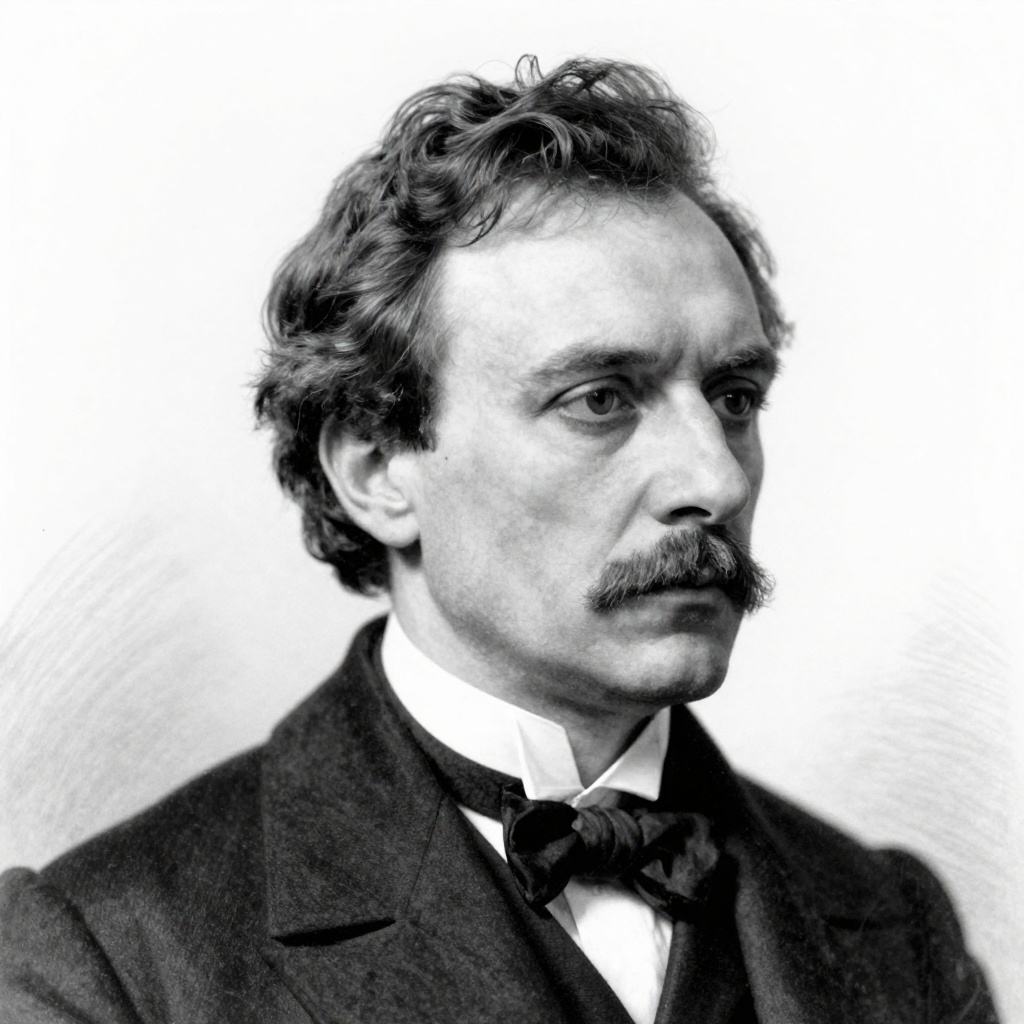
Comments