Quote · Added 1 June 2024
The soul is healed by being with children.
Fyodor DostoevskyThe Idiot, Part I, Chapter VI, 1869
No ratings yet
Quote · Added 1 June 2024
There's something about children that seems to cut through the weight adults carry. They don't have the filters yet, the disappointments, the carefully constructed versions of who they think they should be. When you're around them—really present—something in you softens. Not because children are always innocent or cute, but because they operate in a different time zone. They're not rehearsing conversations in their head or nursing old grievances. They're here, now, confused or delighted or frustrated in real time.
What's surprising is that this works even when you're not a parent. An uncle watching his niece solve a puzzle, a teacher in their classroom, even a stranger noticing a kid's genuine laugh—there's a small opening that happens. The parts of you that have learned to be cynical or self-protective get reminded that wonder is still available. The world hasn't yet taught children that some dreams are too big or foolish. Being around that uncynical energy is like stepping into a different temperature.
The healing Dostoevsky points to isn't sentimental. It's about what children give us by accident, just by being unrehearsed. In a world where so much of our adult life is performed and defended, that authenticity becomes medicine.
1821–1881·lived 59 years
Fyodor Dostoevsky (1821–1881) was a renowned Russian writer known for his groundbreaking novels exploring psychological complexities and existential themes. His works, such as "Crime and Punishment" and "The Brothers Karamazov," have had a profound influence on literature, philosophy, and psychology, making him one of the greatest novelists in history.
Also by Fyodor Dostoevsky
Most people don't have original opinions. They just repeat what they heard from someone lo...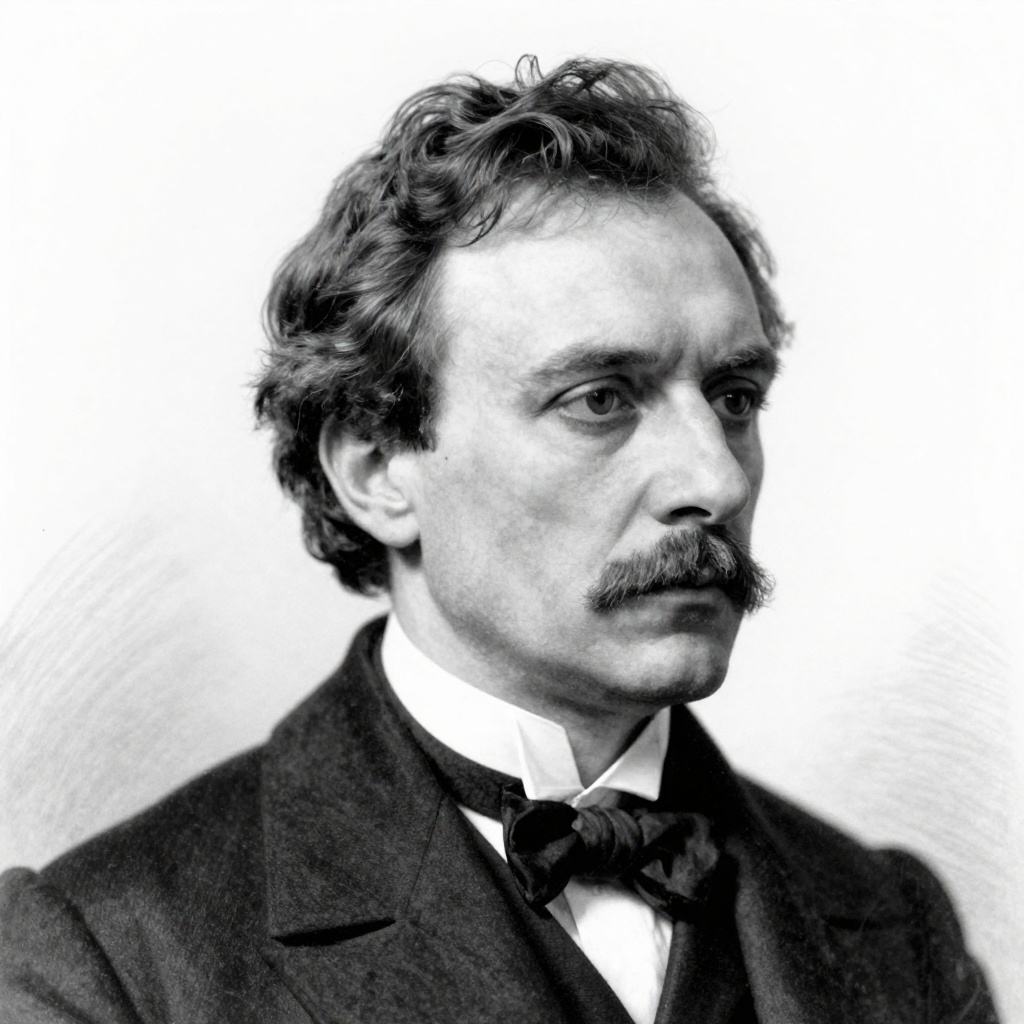
Comments