Quote · Added 27 February 2026
The second half of a man’s life is usually made up of nothing but the habits he has accumulated during the first half.
No ratings yet
Filed underhabits·life·accumulation
Quote · Added 27 February 2026
Filed underhabits·life·accumulation
We like to think life gets more interesting as we age, but Dostoevsky's observation cuts the other way: by midlife, you're mostly running on autopilot. The habits you picked up in your twenties and thirties—how you spend mornings, what you reach for when stressed, who you call, what you read—these aren't just preferences. They're the actual infrastructure of your days. And they're surprisingly hard to change once they've settled in.
The uncomfortable part is recognizing how early this locks in. You don't need to be fifty to feel trapped by your own routines. Someone at thirty-five can already sense it: the same arguments with the same people, the same scroll before bed, the same avoidance of things that scare you. These patterns feel like personality, like "just who you are," but they're really just the weight of a thousand small decisions that stopped feeling like decisions.
The useful reading of this isn't depressing—it's liberating. If your second half is shaped by first-half habits, then the implication is almost hopeful: the habits you build now actually matter. They matter more than your talent or your circumstances. Which means right now, whatever your age, you still have agency. The question isn't whether you'll have habits; it's which ones you're choosing to embed.
1821–1881·lived 59 years
Fyodor Dostoevsky (1821–1881) was a renowned Russian writer known for his groundbreaking novels exploring psychological complexities and existential themes. His works, such as "Crime and Punishment" and "The Brothers Karamazov," have had a profound influence on literature, philosophy, and psychology, making him one of the greatest novelists in history.
Also by Fyodor Dostoevsky
Most people don't have original opinions. They just repeat what they heard from someone lo...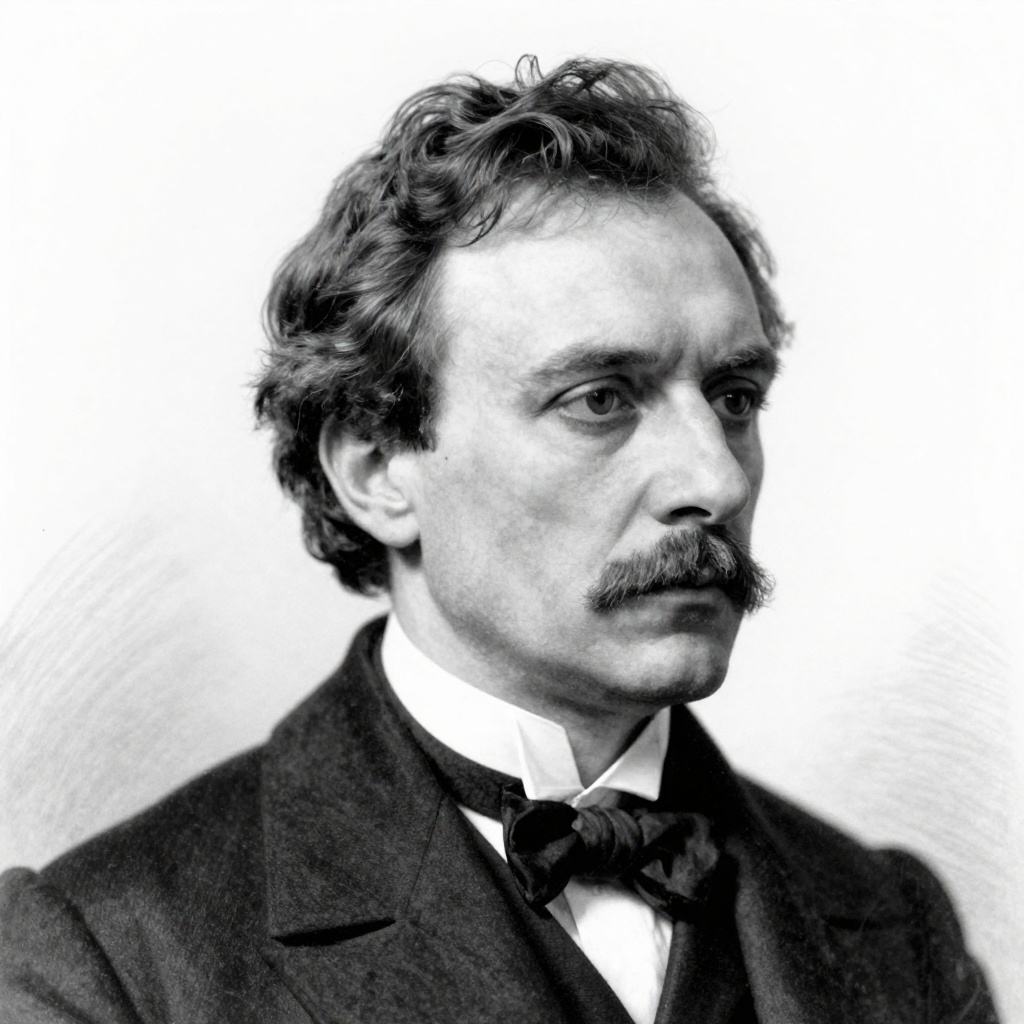
Comments