Quote · Added 6 October 2023
Man is sometimes extraordinarily, passionately, in love with suffering.
No ratings yet
Quote · Added 6 October 2023
We usually think of love as something we pursue and suffering as something we escape. But Dostoevsky spotted something most of us recognize in ourselves only by accident: sometimes we cling to pain like it's precious. The person who replays an argument for the hundredth time, who keeps checking an ex's social media, who stays in a situation they could leave—they're not always trapped. Sometimes they're holding on because the suffering feels real in a way nothing else does. It confirms something they believe about themselves or the world.
This happens most when we're numb or lost. A bad relationship, a fixation on past failures, even physical pain can become oddly magnetic because at least it proves we're alive, that we matter enough to hurt. Comfort and safety can feel hollow by comparison. The suffering becomes an identity, a story we know how to tell.
The non-obvious part? Recognizing this in yourself isn't weakness—it's actually the beginning of change. Once you see that you're choosing the suffering, even if unconsciously, you can ask why it feels safer than moving on. That question is the crack through which something different might enter.
1821–1881·lived 59 years
Fyodor Dostoevsky (1821–1881) was a renowned Russian writer known for his groundbreaking novels exploring psychological complexities and existential themes. His works, such as "Crime and Punishment" and "The Brothers Karamazov," have had a profound influence on literature, philosophy, and psychology, making him one of the greatest novelists in history.
Also by Fyodor Dostoevsky
Most people don't have original opinions. They just repeat what they heard from someone lo...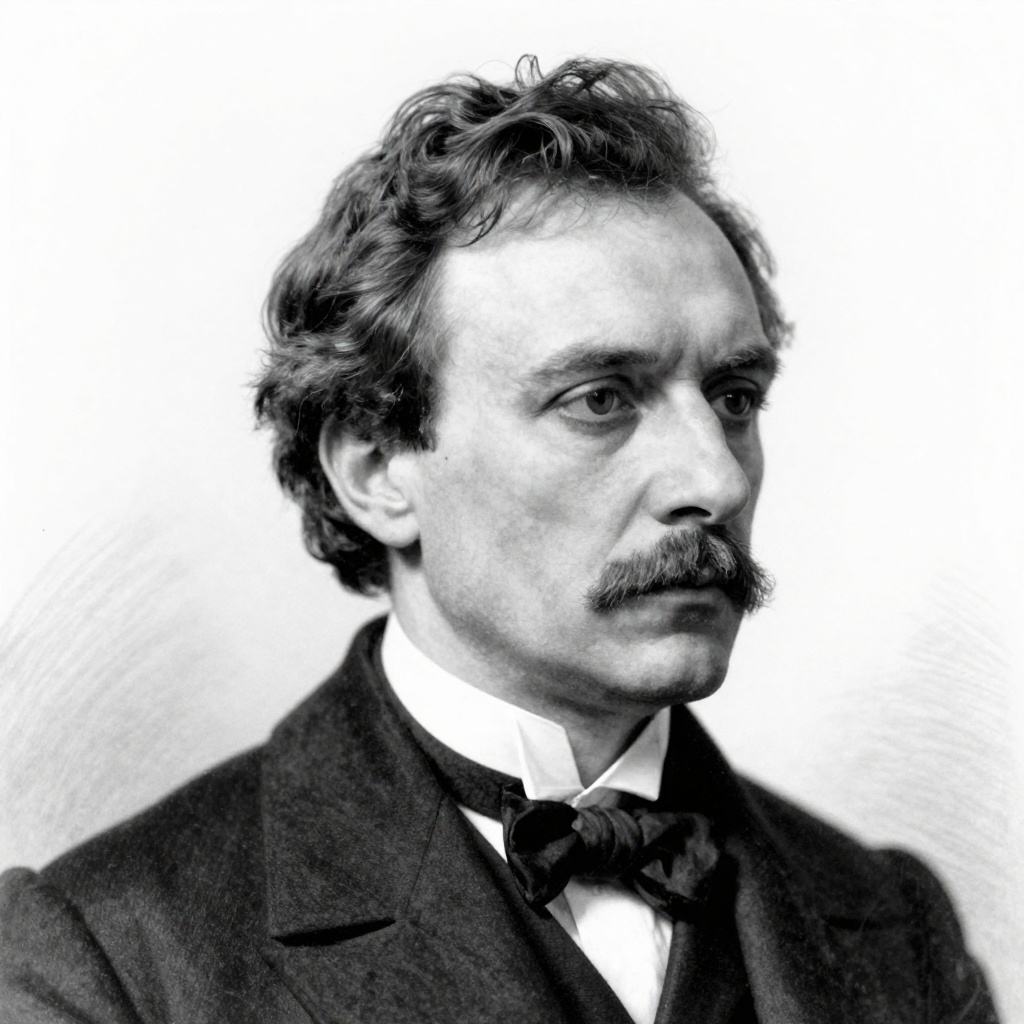
Comments