Quote · Added 7 February 2026
I would not have traded the delights of my suffering for anything in the world.
Fyodor DostoevskyCrime and Punishment, 1866
No ratings yet
Quote · Added 7 February 2026
Most of us try to minimize pain, to get past it as quickly as possible and move on to better times. But Dostoevsky's strange claim points at something quieter and more complicated: the idea that our hardest moments often teach us things we couldn't learn any other way. When you're suffering, you're paying attention. You're awake in ways comfort doesn't demand. The self-awareness, the empathy for others in pain, the stripped-down clarity about what actually matters—these aren't consolation prizes. They're real goods that emerge from the wreckage.
This doesn't mean suffering is good or that we should seek it out. But it does suggest that the meaning we extract from difficulty is sometimes more valuable than an easy life would have given us. A person who's never struggled often can't recognize what they're taking for granted. Someone who has knows.
The strange part is recognizing this doesn't make pain hurt less. Dostoevsky wasn't celebrating suffering; he was describing something that happens anyway, whether we acknowledge it or not. When you look back on your own hard seasons, you probably recognize what he means: the growth that came wrapped in difficulty, the person you became because you had to endure something. That transformation was real, even if you'd never choose the suffering itself.
1821–1881·lived 59 years
Fyodor Dostoevsky (1821–1881) was a renowned Russian writer known for his groundbreaking novels exploring psychological complexities and existential themes. His works, such as "Crime and Punishment" and "The Brothers Karamazov," have had a profound influence on literature, philosophy, and psychology, making him one of the greatest novelists in history.
Also by Fyodor Dostoevsky
Most people don't have original opinions. They just repeat what they heard from someone lo...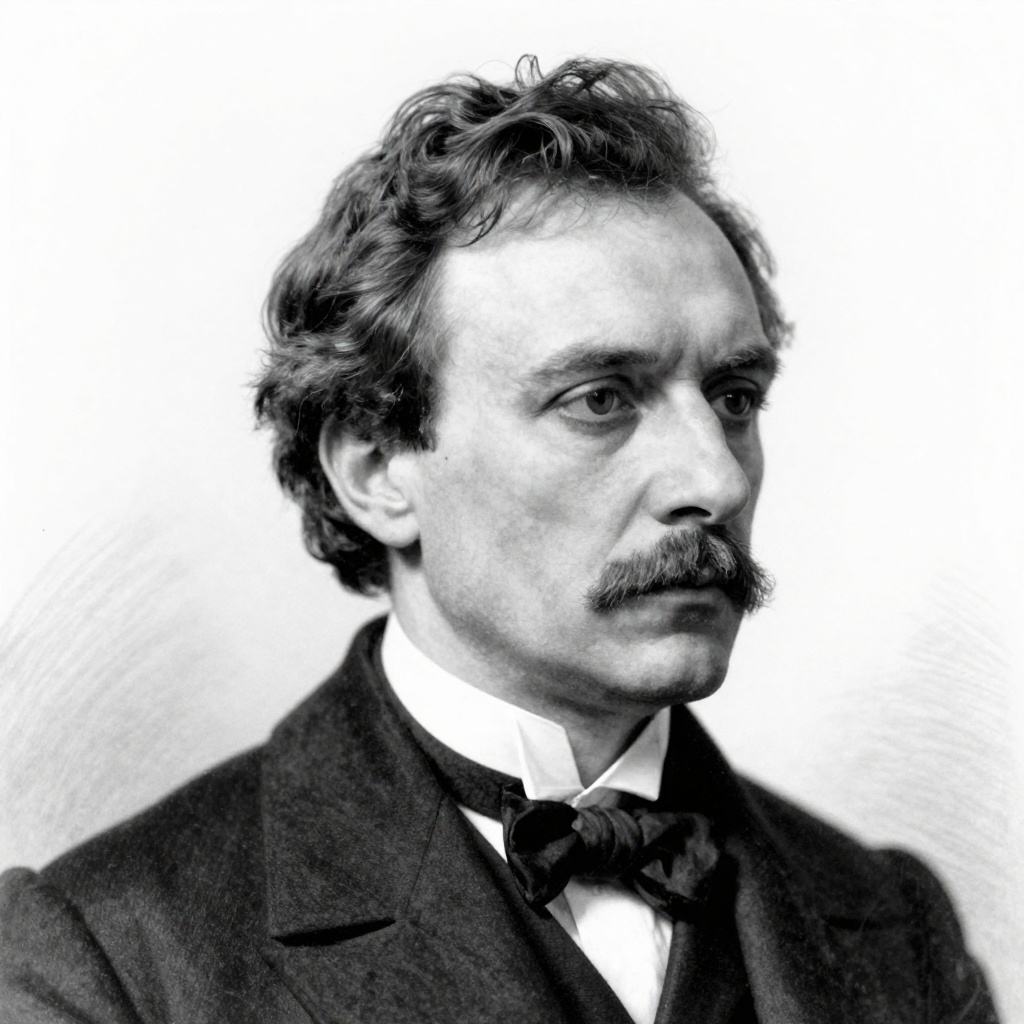
Comments