Quote · Added 14 February 2026
Happiness does not lie in happiness, but in the achievement of it.
Fyodor DostoevskyThe Brothers Karamazov, 1880
No ratings yet
Filed underachievement·happiness·fulfillment
Quote · Added 14 February 2026
Filed underachievement·happiness·fulfillment
There's something almost backwards about this idea, but it rings true the moment you think about your own life. We tend to imagine happiness as a destination—a feeling we'll finally have once we get the promotion, the relationship, the house. But Dostoevsky is pointing at something stranger: the actual pleasure often comes from the striving itself, not the arrival.
Think about how flat a victory can feel if it came too easily, or how quickly we adjust to something we thought would make us happy forever. The person training for a marathon often reports more satisfaction during those grueling months of training than in the brief moment of crossing the finish line. The work, the struggle, the incremental progress—that's where life actually happens. The achievement moment is almost anticlimactic by comparison.
This doesn't mean you should avoid your goals or embrace suffering for its own sake. It's more subtle: it suggests that real fulfillment isn't hiding at the finish line waiting for you. It's woven into the chase itself—the small wins, the problem-solving, the person you become along the way. Once you stop waiting for happiness to arrive and start recognizing it in the effort, everything shifts.
1821–1881·lived 59 years
Fyodor Dostoevsky (1821–1881) was a renowned Russian writer known for his groundbreaking novels exploring psychological complexities and existential themes. His works, such as "Crime and Punishment" and "The Brothers Karamazov," have had a profound influence on literature, philosophy, and psychology, making him one of the greatest novelists in history.
Also by Fyodor Dostoevsky
Most people don't have original opinions. They just repeat what they heard from someone lo...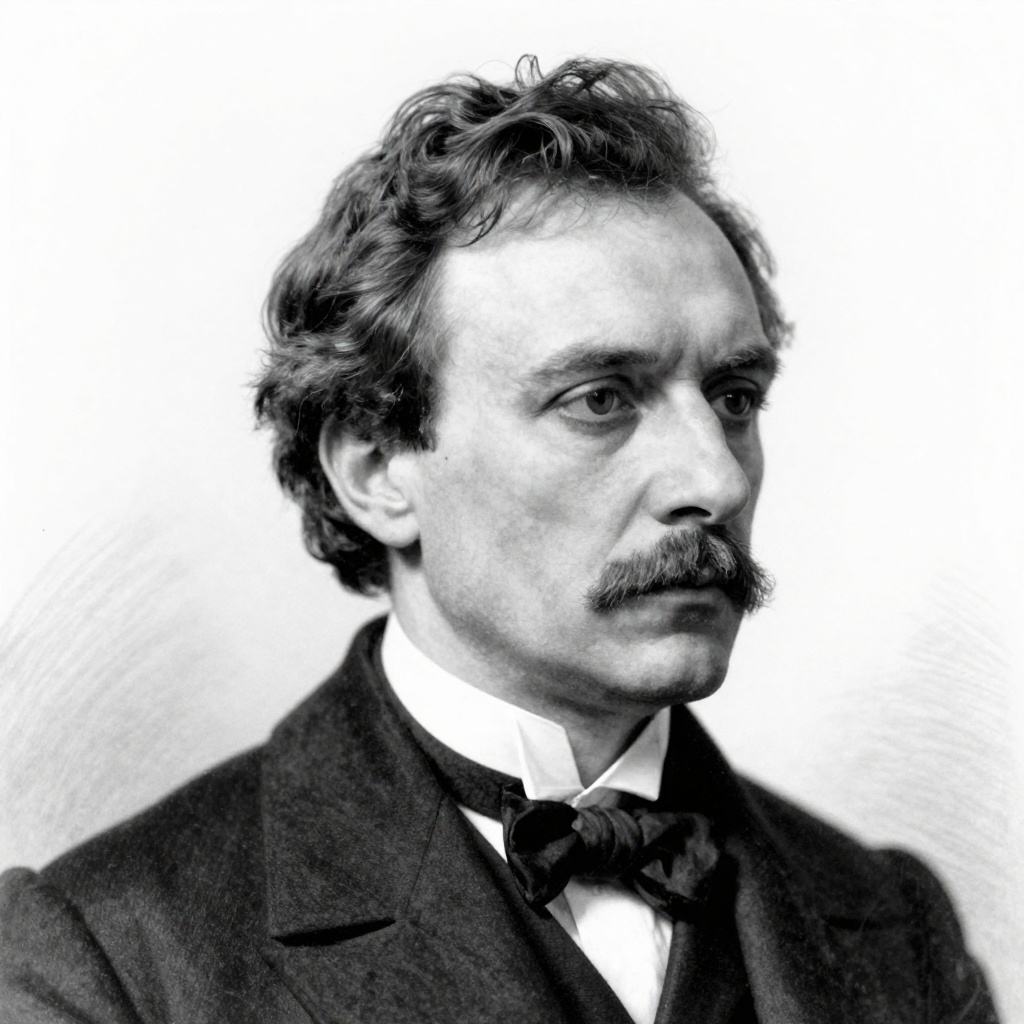
Comments