Quote · Added 2 December 2023
But how could you live and have no story to tell?
Fyodor DostoevskyWhite Nights
No ratings yet
Quote · Added 2 December 2023
We live in an age of curated narratives, where everyone's supposed to have a compelling personal brand or at least a decent anecdote for dinner parties. But Dostoevsky's question cuts deeper than that. He's not asking whether your life is Instagram-worthy—he's asking whether you're actually alive at all, or just going through motions so familiar they've stopped registering as real.
A story requires something to have happened, some friction between where you were and where you ended up. It means you tried something, failed, learned, changed your mind, got hurt, surprised yourself. A story means you weren't on autopilot. Most people sleepwalk through years without much to tell because nothing genuinely tested them or moved them. They played it safe, followed the script, and woke up wondering why their life feels hollow.
The quiet part Dostoevsky leaves unsaid: you don't need your story to be dramatic or famous. But you do need to have lived—chosen something hard, questioned something you believed, faced something real. That's what gives a life texture. Without those moments of genuine engagement, you become a character in someone else's narrative, or worse, no character at all.
1821–1881·lived 59 years
Fyodor Dostoevsky (1821–1881) was a renowned Russian writer known for his groundbreaking novels exploring psychological complexities and existential themes. His works, such as "Crime and Punishment" and "The Brothers Karamazov," have had a profound influence on literature, philosophy, and psychology, making him one of the greatest novelists in history.
Also by Fyodor Dostoevsky
Most people don't have original opinions. They just repeat what they heard from someone lo...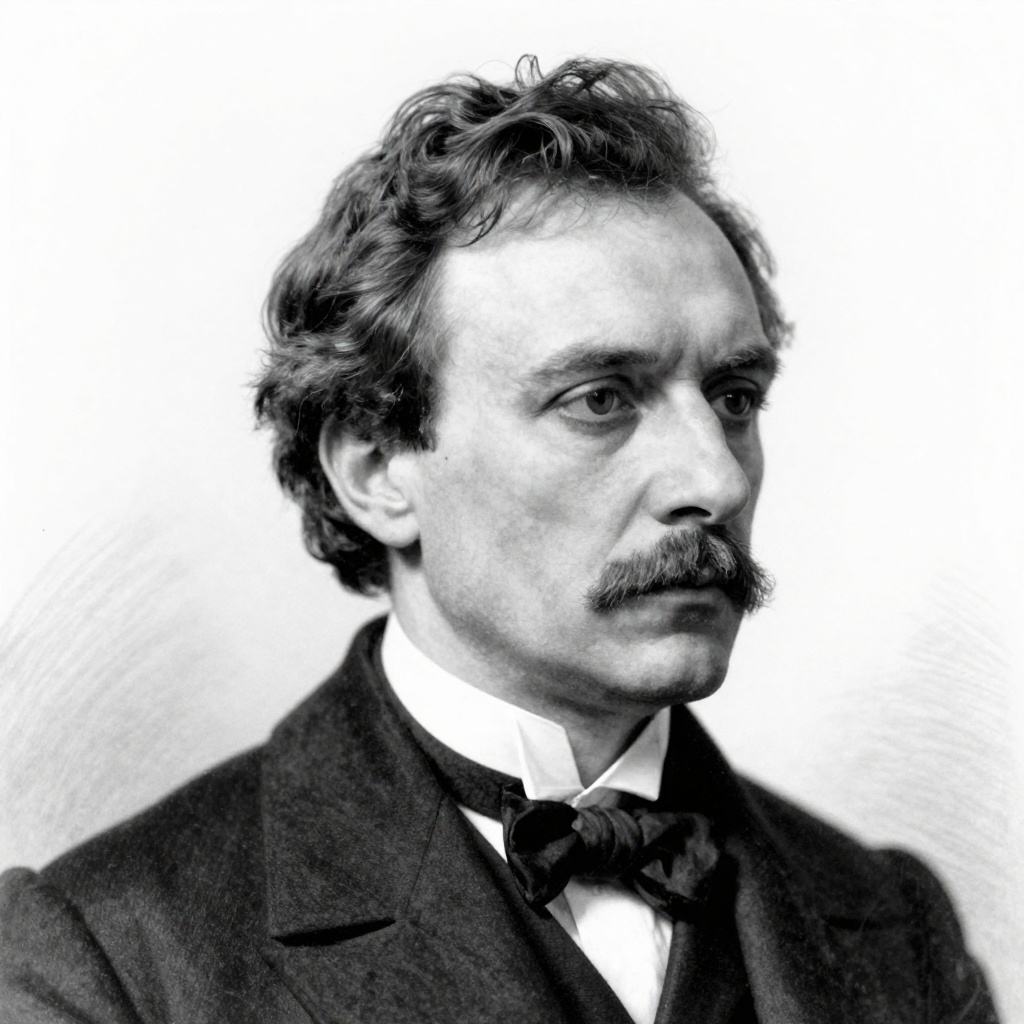
Comments