Quote · Added 14 February 2026
Every true genius is bound to be naive.
Friedrich SchillerOn the Aesthetic Education of Man, 1795
No ratings yet
Quote · Added 14 February 2026
There's something counterintuitive about this idea, but it tracks with how actual creative breakthroughs happen. When you're genuinely trying to solve a problem or make something new, you can't afford to be cynical about it. You have to believe the thing is worth doing even when smarter people might point out all the reasons it won't work. That naiveté—that willingness to ignore the "realistic" objections—is often what lets the breakthrough happen in the first place.
The twist is that this naiveté isn't stupidity. It's a kind of selective blindness, where you're aware of the obstacles but you refuse to let them calcify into certainty. A genius in any field tends to have this childlike conviction that something can be done differently, better, or at all. Meanwhile, the purely cynical person has already written the failure story before they start.
You see this in everyday life too. The person who quits their job to start something risky, the parent who tries a completely different approach with a struggling kid, the artist who pursues something unmarketable—they're all operating with a touch of that productive naiveté. They're not ignoring reality; they're just refusing to let the weight of "how things are" crush the possibility of "how things could be."
1759–1805·lived 45 years
Friedrich Schiller was a German playwright, poet, and philosopher, born on November 10, 1759, in Marbach am Neckar. He is known for his influential works such as "The Robbers," "William Tell," and "Don Carlos," which explore themes of freedom, individuality, and moral complexity. Schiller was a key figure in the Sturm und Drang movement and contributed significantly to the development of German literature and thought during the late 18th and early 19th centuries.
Also by Friedrich Schiller
Lose not yourself in a far off time, seize the moment that is thine.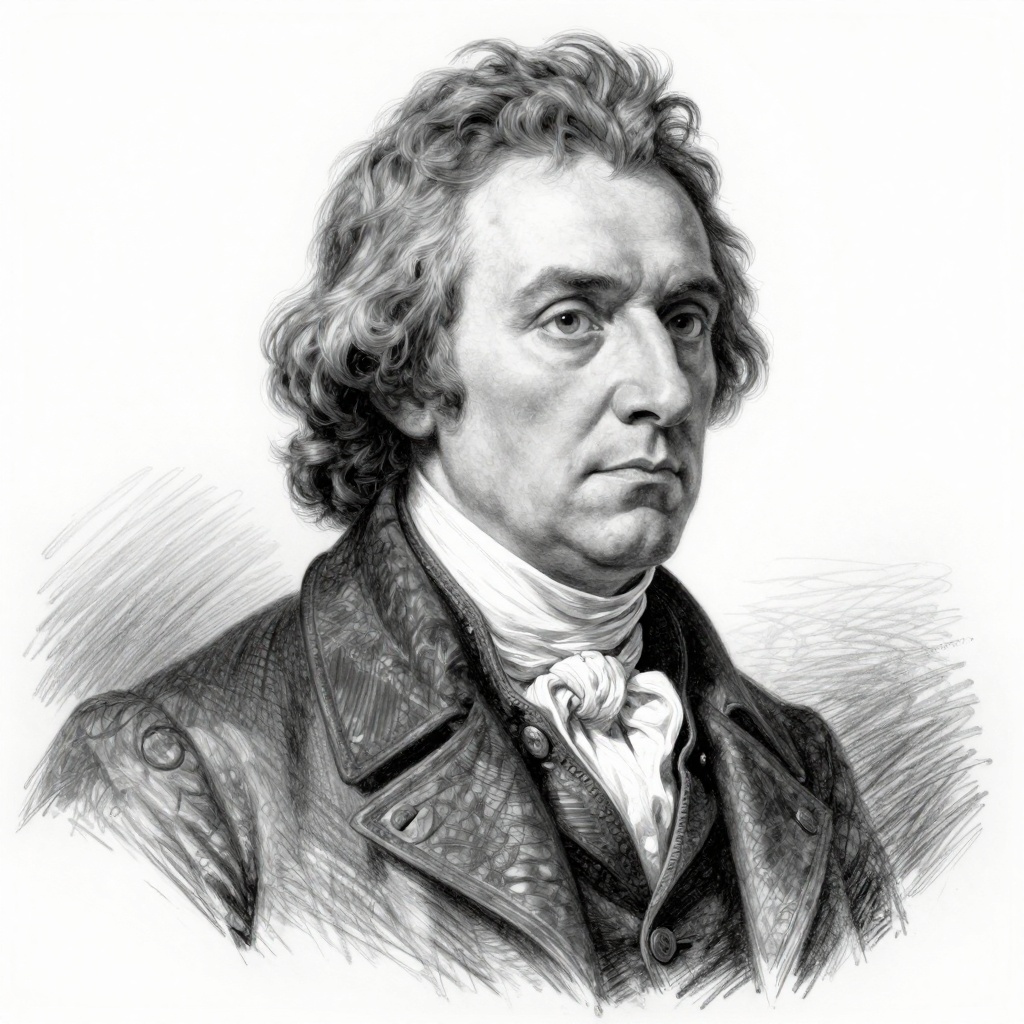
Comments