Quote · Added 14 February 2026
Freedom is the recognition of necessity.
Friedrich EngelsAnti-Duhring, XI. Freedom and Necessity, 1877
No ratings yet
Quote · Added 14 February 2026
We often picture freedom as the opposite of limits—doing whatever we want, whenever we want. But this quote flips that idea on its head. Real freedom isn't about ignoring how the world actually works. It's about understanding what's real and unavoidable, then working skillfully within those constraints instead of pretending they don't exist.
Think about a musician learning an instrument. The physical laws of how sound works, the limitations of the human hand, the structure of musical theory—these aren't chains holding them back. Accepting these necessities is precisely what lets them create. Someone who fights against how music actually functions stays frustrated forever. Someone who respects those boundaries becomes free to express themselves.
The same applies to your own life. You can't negotiate with gravity, time, or your own need for sleep. You can't change how other people think overnight. But once you stop wasting energy wishing these things were different, you suddenly have clarity about what you can actually do. That acceptance—that clear-eyed recognition of what must be—is where your real power begins. Freedom isn't about having no limits. It's about understanding your actual situation well enough to move within it with intention.
1820–1895·lived 74 years
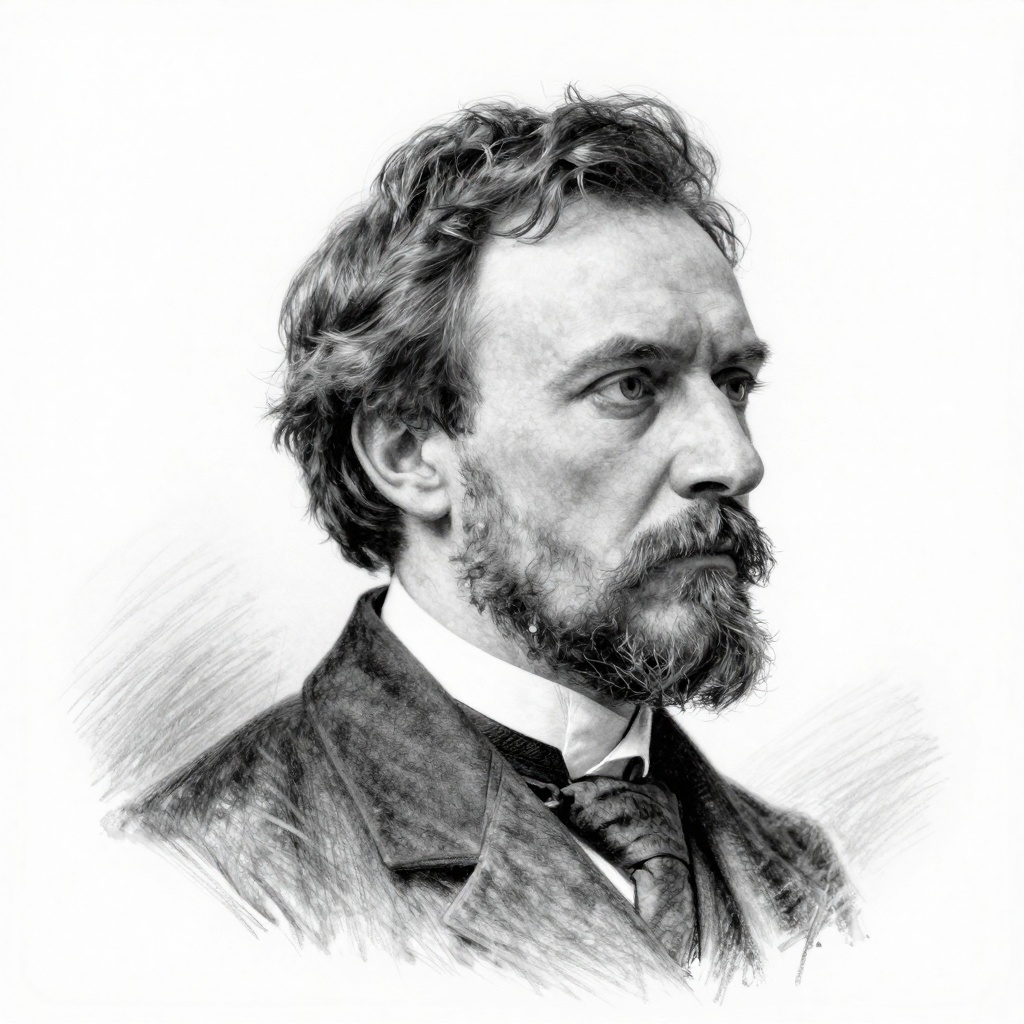
Friedrich Engels was a German philosopher, social scientist, and political theorist born on November 28, 1820. He is best known for his collaboration with Karl Marx in developing Marxist theory and co-authoring "The Communist Manifesto" in 1848. Engels also contributed to the economics of socialism and the critique of capitalism, and his works remain influential in the fields of sociology and political theory. He died on August 5, 1895.
Comments