Quote · Added 15 February 2026
Knowledge makes a man unfit to be a slave.
No ratings yet
Filed underknowledge·freedom·empowerment
Quote · Added 15 February 2026
Filed underknowledge·freedom·empowerment
There's something quietly radical about this idea: that simply knowing things—really understanding how the world works—changes what you'll tolerate. Douglass wasn't just talking about the chains of slavery, though he knew those intimately. He was describing how education rewires your sense of what's possible and what's acceptable. Once you understand systems, history, and your own potential, you can't pretend they don't exist anymore.
This still lands hard in ordinary life. People often stay in situations—bad jobs, toxic relationships, limiting beliefs about themselves—partly because they haven't yet learned enough to see the exit. They don't know their market value, their rights, their actual options. Knowledge creates restlessness. It makes you question things you'd previously accepted as just "how it is." A person who understands nutrition differently relates to their health. Someone who learns about financial systems starts questioning their salary. Knowledge isn't comfortable—it demands something of you.
The flip side worth sitting with: this also explains why access to real education has always been guarded so carefully. People in power understand Douglass's insight perfectly. An informed population is harder to control. That's why the quote remains dangerous and necessary—it suggests that the pursuit of understanding isn't a luxury or academic exercise. It's an act of freedom.
1818–1895·lived 77 years
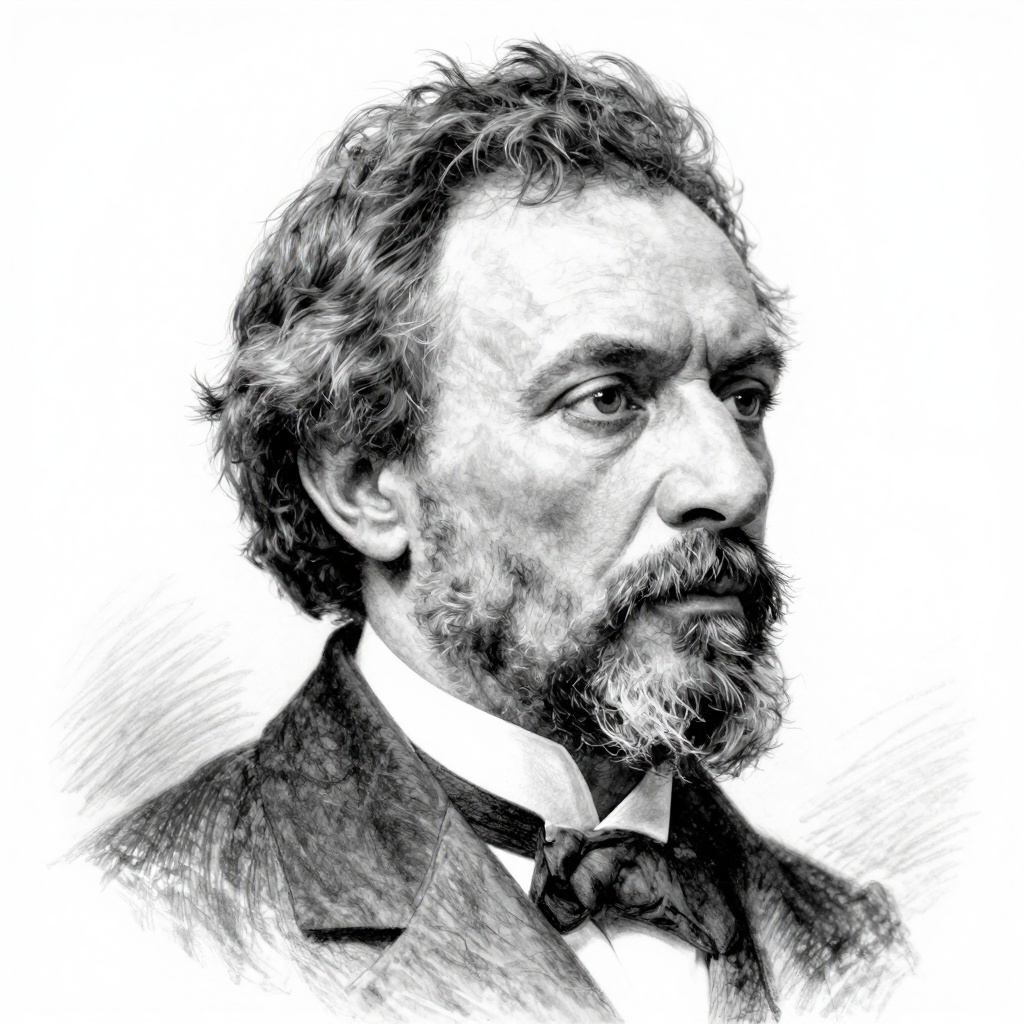
Frederick Douglass was an African American social reformer, abolitionist, orator, writer, and statesman born around February 1818 in Maryland. He is best known for his powerful speeches and writings advocating for the abolition of slavery and for civil rights, particularly highlighted in his autobiographies, including "Narrative of the Life of Frederick Douglass, an American Slave." Douglass became a key figure in the fight for equality and justice in 19th-century America.
Comments