Quote · Added 14 February 2026
The soul that is within me no man can degrade.
Frederick DouglassNarrative of the Life of Frederick Douglass, an American Slave, 1845
No ratings yet
Filed undersoul·dignity·resilience
Quote · Added 14 February 2026
Filed undersoul·dignity·resilience
There's something quietly radical about this idea, especially coming from someone who lived through slavery. Douglass isn't saying that nothing bad can happen to you, or that circumstances don't matter. He's saying something more specific and more useful: other people's power over your situation has a hard limit. They can control your body, your time, your opportunities—but they can't reach the part of you that decides what you believe about yourself.
This distinction matters because we live in a world of constant comparison and judgment. Social media, workplace hierarchies, family dynamics—all of them offer endless opportunities for us to feel diminished by how others see us. The trap is assuming their opinion reaches all the way down. But Douglass is pointing at something deeper: you retain an interior sovereignty that no comment, no rejection, no failure can touch unless you decide it does.
The practical part is this: degradation isn't something done to you. It's something you accept into your own thinking about yourself. That's uncomfortable because it means you have more responsibility than you might want—but it also means you have more power. You can't always control what happens around you, but you can protect that internal core where your dignity actually lives.
1818–1895·lived 77 years
Frederick Douglass (1818–1895) was an American social reformer, abolitionist, orator, writer, and statesman. He is known for his powerful and influential speeches and writings on the topics of slavery, civil rights, and social justice, becoming a prominent figure in the abolitionist movement and a key advocate for the rights of African Americans.
Also by Frederick Douglass
People might not get all they work for in this world, but they must certainly work for all...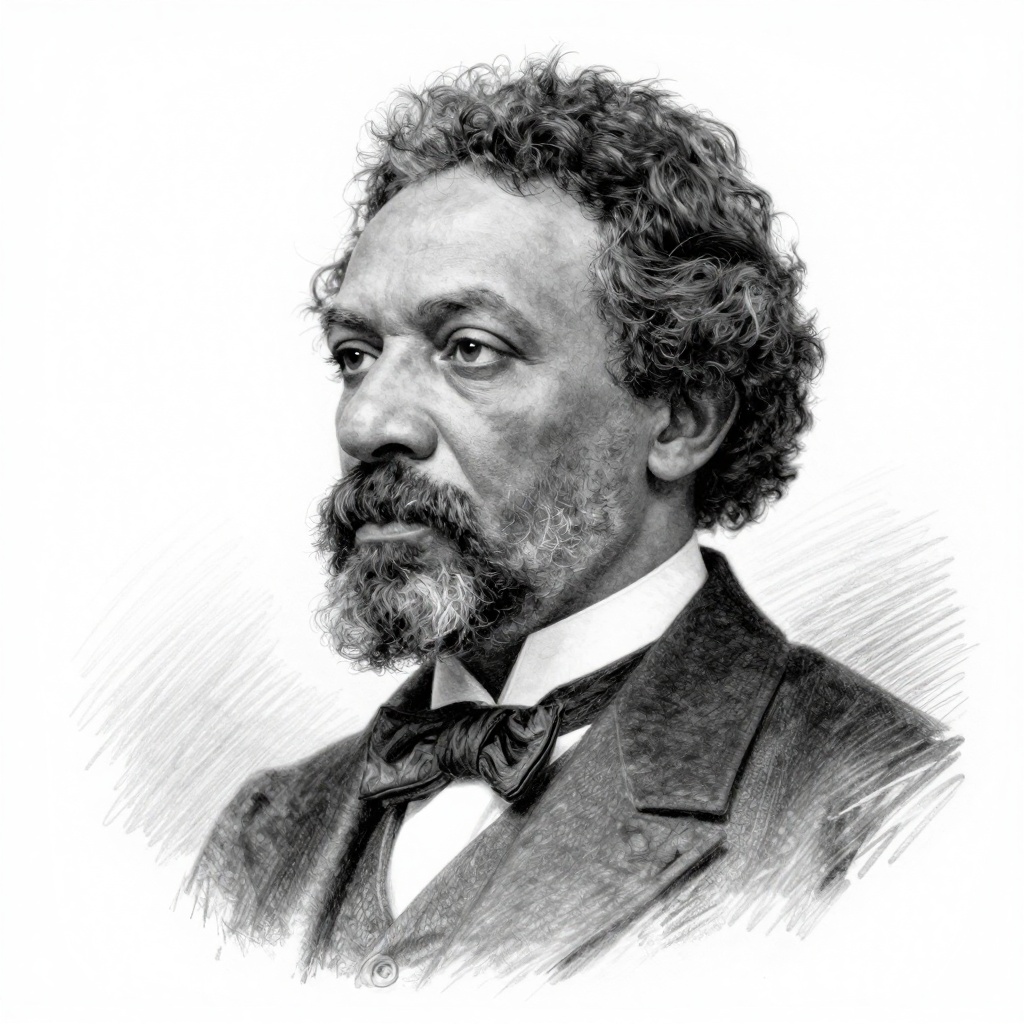
Comments