Quote · Added 18 August 2024
It is easier to build strong children than to repair broken men.
No ratings yet
Filed underchildren·growth·resilience
Quote · Added 18 August 2024
Filed underchildren·growth·resilience
We spend billions fixing adult problems—therapy, rehab, criminal justice, mental health services—that could have been prevented with better childhoods. It's not that fixing adults is impossible, but it requires so much more effort, expense, and luck than getting it right the first time. A child who feels seen and safe learns resilience differently than an adult who has to unlearn years of neglect or harm.
The tricky part is that we know this, yet society keeps betting on the repair model instead of the prevention one. We fund prison systems more generously than early childhood programs. We expect schools to solve problems that started at home. We wait for people to hit bottom before offering real support. Maybe it's because childhood prevention is slow and invisible—you don't see the crises that never happen—while adult recovery stories feel urgent and dramatic.
What makes Douglass's observation sting is that it's not about blaming parents. It's about recognizing that the foundations we lay when someone is young—whether it's consistent care, boundaries, or belief in their potential—shape what they're capable of handling later. The strongest among us rarely got there despite their early years; they got there because of something that happened then.
1818–1895·lived 77 years
Frederick Douglass (1818–1895) was an American social reformer, abolitionist, orator, writer, and statesman. He is known for his powerful and influential speeches and writings on the topics of slavery, civil rights, and social justice, becoming a prominent figure in the abolitionist movement and a key advocate for the rights of African Americans.
Also by Frederick Douglass
People might not get all they work for in this world, but they must certainly work for all...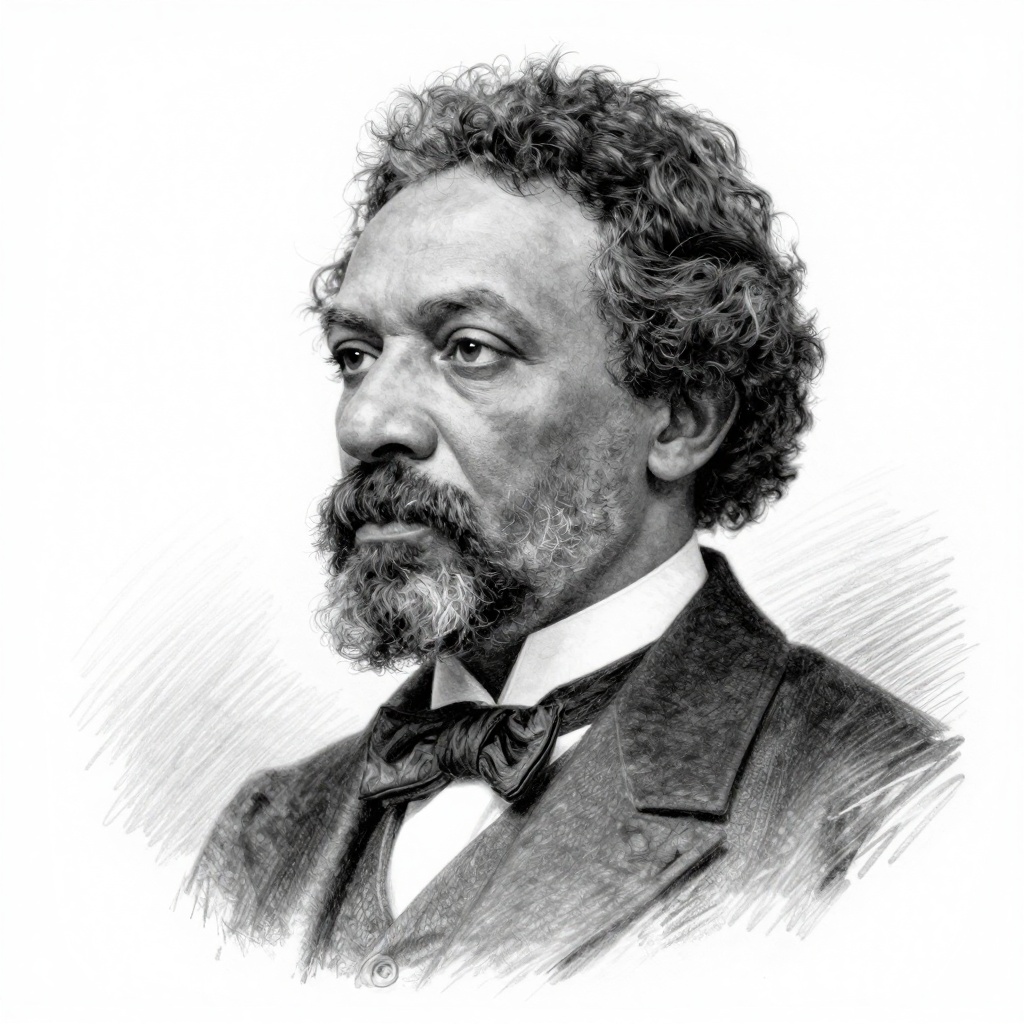
Comments