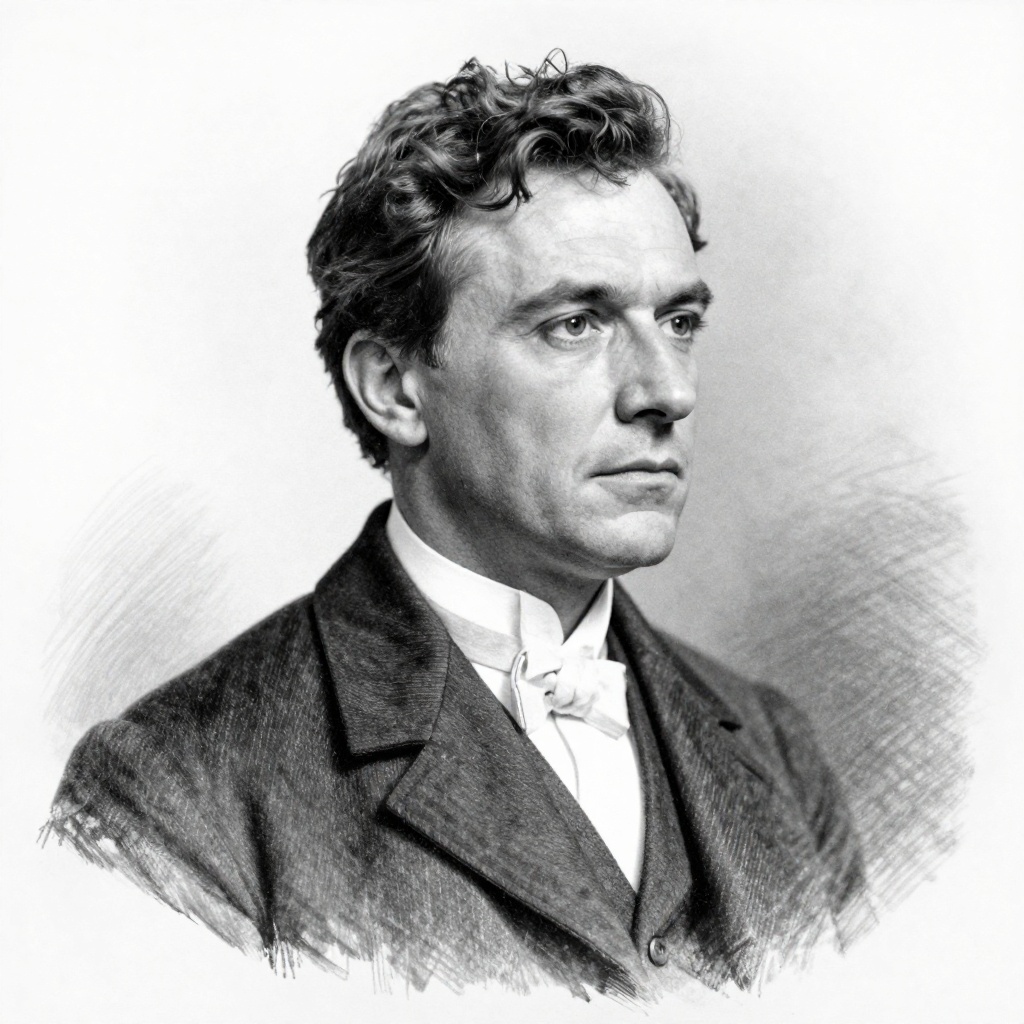
When I was 18, I thought my father was pretty dumb. After a while when I got to be 21, I was amazed to find ou... — Frank Butler

When I was 18, I thought my father was pretty dumb. After a while when I got to be 21, I was amazed to find out how much he'd learned in three years.

Author: Frank Butler

Insight: There's something almost painful about this realization—watching your own certainty collapse as you age. At 18, everything seems obvious. Your parents are operating from an outdated manual, their concerns feel small or naive, and you're convinced you've already figured out what matters. Then life happens. You fail at something. You make a choice you regret. You face a problem that can't be solved by intelligence or willpower alone. Suddenly, your father's warnings about patience, or his casual mention of how people actually work, doesn't sound like the ramblings of someone stuck in the past. What's tricky is that your father probably didn't learn as much in those three years as you think. More likely, you learned to listen. You developed just enough experience to recognize wisdom when you heard it, rather than dismissing it automatically. This matters today because we live in a culture that rewards confidence in your own expertise—especially young expertise. The internet makes it easy to feel like you've already mastered anything worth knowing. But Butler's joke hints at something we all eventually discover: humility isn't weakness. It's actually how you get smarter.

Your confidence blinds you first

When I was 18, I thought my father was pretty dumb. After a while when I got to be 21, I was amazed to find out how much he'd learned in three years.

There's something almost painful about this realization—watching your own certainty collapse as you age. At 18, everything seems obvious. Your parents are operating from an outdated manual, their concerns feel small or naive, and you're convinced you've already figured out what matters. Then life happens. You fail at something. You make a choice you regret. You face a problem that can't be solved by intelligence or willpower alone. Suddenly, your father's warnings about patience, or his casual mention of how people actually work, doesn't sound like the ramblings of someone stuck in the past.

What's tricky is that your father probably didn't learn as much in those three years as you think. More likely, you learned to listen. You developed just enough experience to recognize wisdom when you heard it, rather than dismissing it automatically. This matters today because we live in a culture that rewards confidence in your own expertise—especially young expertise. The internet makes it easy to feel like you've already mastered anything worth knowing. But Butler's joke hints at something we all eventually discover: humility isn't weakness. It's actually how you get smarter.

AI generated

Comments

Sign in to leave a comment or reply to one.

Sign in

Frank Butler

Frank Butler was an American professional golfer born on April 8, 1915, in Chicago, Illinois. He is known for his successful career on the PGA Tour, where he won multiple tournaments throughout the 1930s and 1940s, including the prestigious 1939 Western Open. In addition to his achievements on the course, Butler is remembered for his contributions to the sport as a mentor and instructor to younger players.

Graph

Related