Quote · Added 28 February 2026
Reading
AI generatedBecome the change you want to see
There's something disarming about this prayer, especially today. We live in a time of constant outrage, where being "an instrument" of anything feels passive, almost weak. But Francis wasn't asking to be a passive bystander—he was asking to become something useful, something that channels something larger than himself. It's the difference between wanting to change the world and being willing to be changed by it first. That reorientation matters more than we admit.
The real weight of this idea hits when you think about ordinary moments. Being an instrument of peace doesn't mean grand gestures. It means not escalating the tension when someone lashes out at you. It means listening when you'd rather defend yourself. It means choosing the response that de-escalates, even when you have every right to match someone's anger. We treat peace like it's something that happens to us, but it's actually something we build through small, unglamorous choices.
What makes this line stick is how it flips the script on purpose. Instead of asking "what should I do," it asks "what should I become?" That shift—from action to character, from ambition to instrument—suggests that lasting change doesn't start with grand plans. It starts with willingness.
The author
All 3 quotes by Francis of Assisi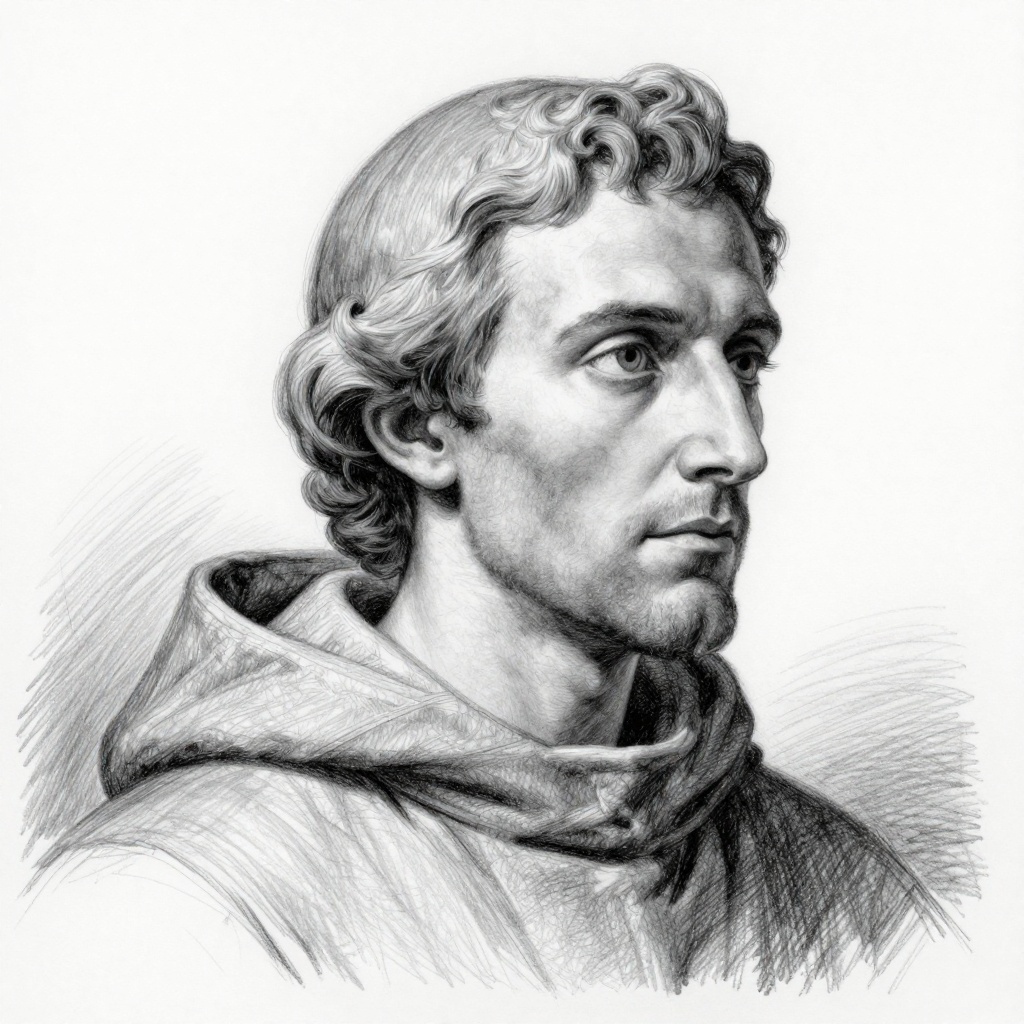
Francis of Assisi
1181–1226·lived 45 years
Francis of Assisi, born in 1181 in Italy, was a Catholic friar and preacher known for his dedication to poverty and charity. He founded the Franciscan Order and is remembered for his love of animals and nature, as well as his humility and simple lifestyle. Francis is recognized as a patron saint of animals and the environment.
Also by Francis of Assisi
All the darkness in the world cannot extinguish the light of a single candle.
Comments