Quote · Added 27 September 2025
We rarely think people have good sense unless they agree with us.
Francis BaconThe Essays of Francis Bacon/XXVI Of Seeming Wise
Filed undersense·agreement·perception
Quote · Added 27 September 2025
Filed undersense·agreement·perception
It's startling how quickly we flip the switch from "this person is thoughtful" to "this person is clearly not thinking straight" the moment they disagree with us. We do it constantly—in political arguments, parenting disagreements, even coffee shop debates about the best way to make pasta. The person who had good judgment five minutes ago suddenly seems naive or stubborn the second their conclusion diverges from ours.
The sneaky part is that we're usually not aware we're doing it. We genuinely feel like we're being objective, that the other person is simply missing obvious facts. But Bacon's point cuts deeper: we've made agreement the actual test of intelligence, not reasoning itself. Someone could be following solid logic, weighing evidence carefully, and thinking in good faith—and we'll still dismiss them if they land somewhere different.
This matters because it keeps us locked in. If we only respect the judgment of people who already think like us, we never actually stress-test our own beliefs. We never learn from sharp people who see things differently. The real sign of good sense might not be getting the right answer, but being willing to seriously reckon with why someone intelligent arrived at a different one.
1561–1626·lived 65 years
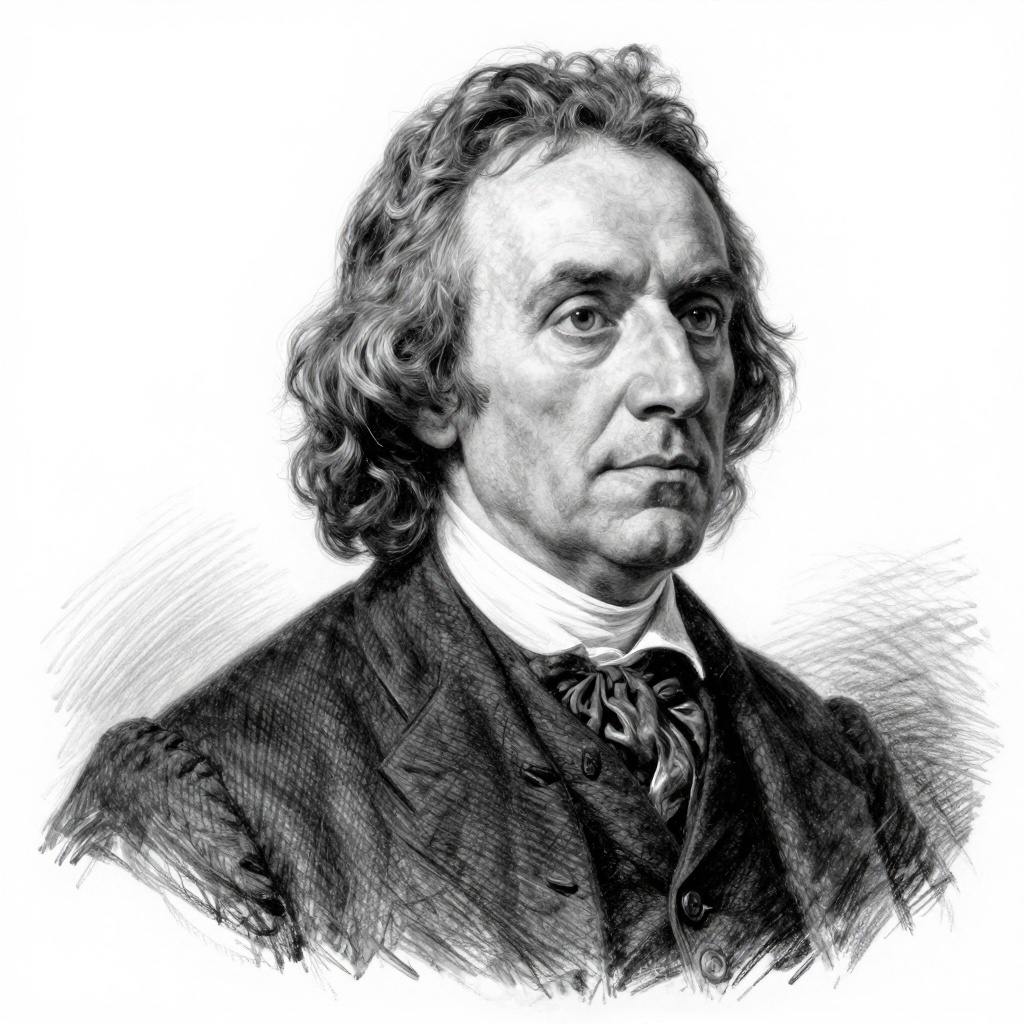
Francis Bacon (1561–1626) was an English philosopher, statesman, scientist, and author. Known as the father of empiricism, Bacon's works laid the groundwork for the scientific method and emphasized the importance of observation and experimentation in the pursuit of knowledge. His contributions to philosophy and science have had a profound impact on the development of modern thought.
Comments