Quote · Added 8 February 2026
Question everything. Learn something. Answer nothing.
Euripides' — The Socratic Method
Quote · Added 8 February 2026
This sounds like a paradox at first—why question and learn if you're going to answer nothing? But it's actually about protecting yourself from false certainty. The trap most of us fall into is that we ask a few questions, get some information, and then suddenly feel like we've got it all figured out. We stop wondering. We defend our conclusions like they're facts.
What Euripides is really pointing at is that curiosity itself is the point, not closure. When you commit to answering nothing, you stay humble. You keep noticing what you didn't know before. You become someone who's genuinely interested in how things work rather than someone who just wants to win an argument or feel smart. In a world that constantly pushes us toward taking sides and declaring ourselves, this is quietly radical.
The best people you know probably work like this without realizing it. They ask genuine questions. They pick up new information constantly. But they're weirdly comfortable saying "I don't know" or "I'm still thinking about that." They don't treat understanding as a destination you reach and then stop. It's a stance—one that keeps you learning instead of just collecting ammunition for the next debate.
2000–406 BC
Euripides was a prominent ancient Greek tragedian, born around 480 BC on the island of Salamis. He is known for his innovative and often unconventional approach to drama, focusing on the inner lives and emotions of his characters. Some of his most famous works include "Medea," "The Bacchae," and "Hippolytus," which have had a lasting influence on literature and theater.
Also by Euripides
Do not plan for ventures before finishing what's at hand.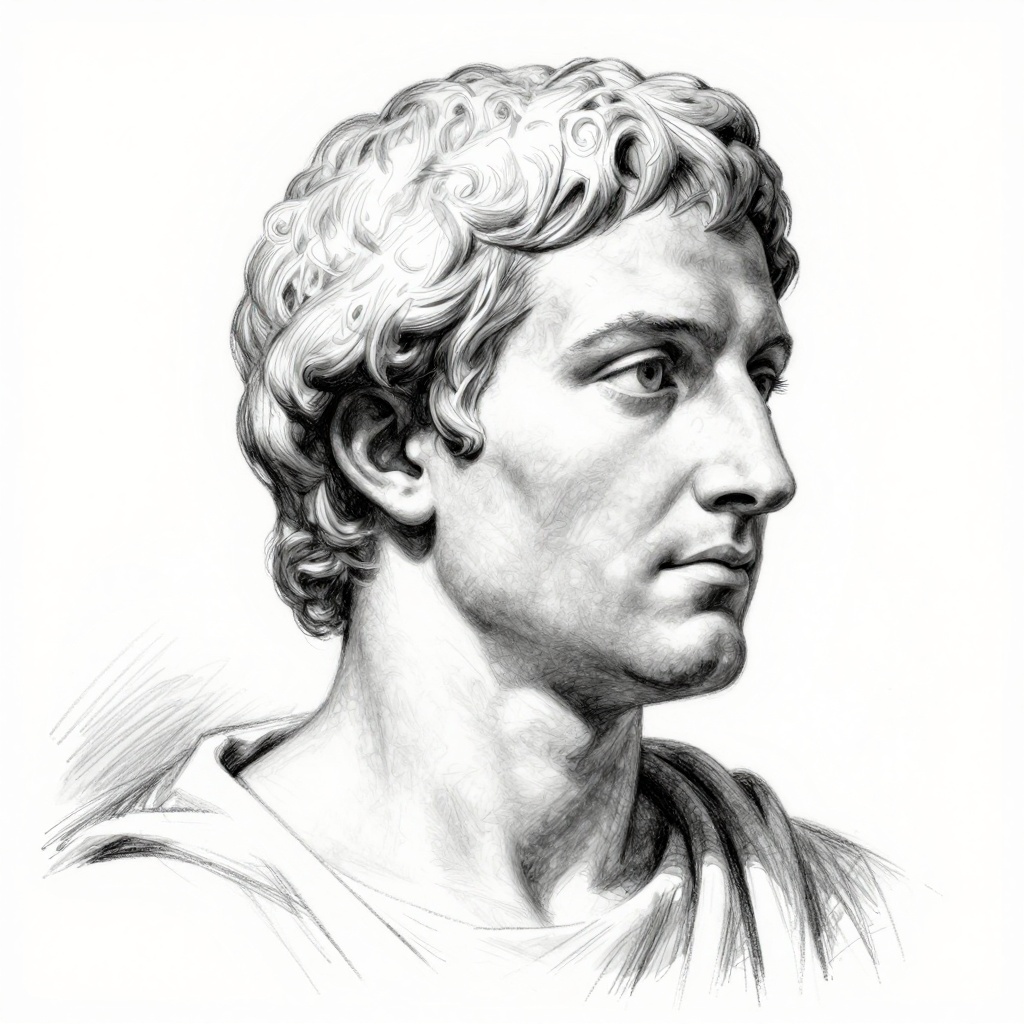
Comments