Quote · Added 15 February 2026
Explore
Reading
AI generatedYour Soul Never Stops Growing
There's a common myth that learning is something you do in school, then file away. In reality, wisdom works more like fitness—it atrophies if you ignore it, but it's never too late to build it back up. The tricky part is that we often feel embarrassed to start learning something new at thirty or fifty. We imagine everyone else figured it out years ago. But curiosity has no expiration date, and the person who asks a question they've wondered about for decades is doing something braver than the teenager dutifully memorizing for a test.
What makes this idea particularly relevant now is how easy it is to mistake information for wisdom. We can scroll through hot takes and call ourselves educated. Real wisdom—understanding yourself, recognizing patterns in how life works, knowing what actually matters—requires the kind of slow thinking that feels increasingly rare. It asks us to be uncomfortable, to change our minds, to sit with confusion.
The deeper insight here is that seeking wisdom isn't really about accumulating facts. It's about tending to your own growth as a person. At any age, that's what keeps you from calcifying into someone who stopped learning, stopped questioning, stopped becoming.
The author
All 6 quotes by Epicurus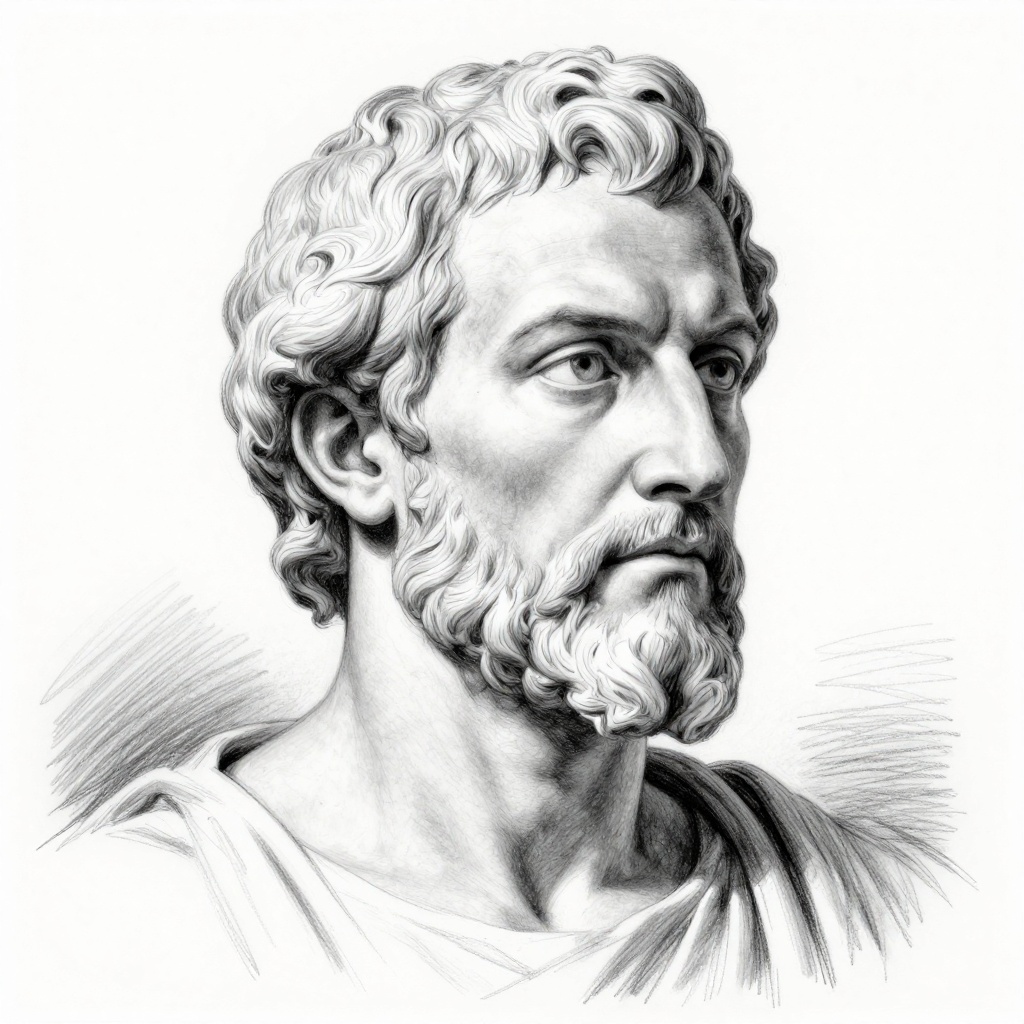
Epicurus
d. 270
Epicurus (341-270 BC) was an ancient Greek philosopher who founded the school of philosophy known as Epicureanism. He is known for his teachings on achieving a happy and tranquil life through the pursuit of simple pleasures, moderation, and the avoidance of pain and anxiety. Epicurus believed that true happiness could be attained through friendship, freedom, and living a virtuous life.
Also by Epicurus
Nothing is enough to the man for whom enough is too little.
Comments