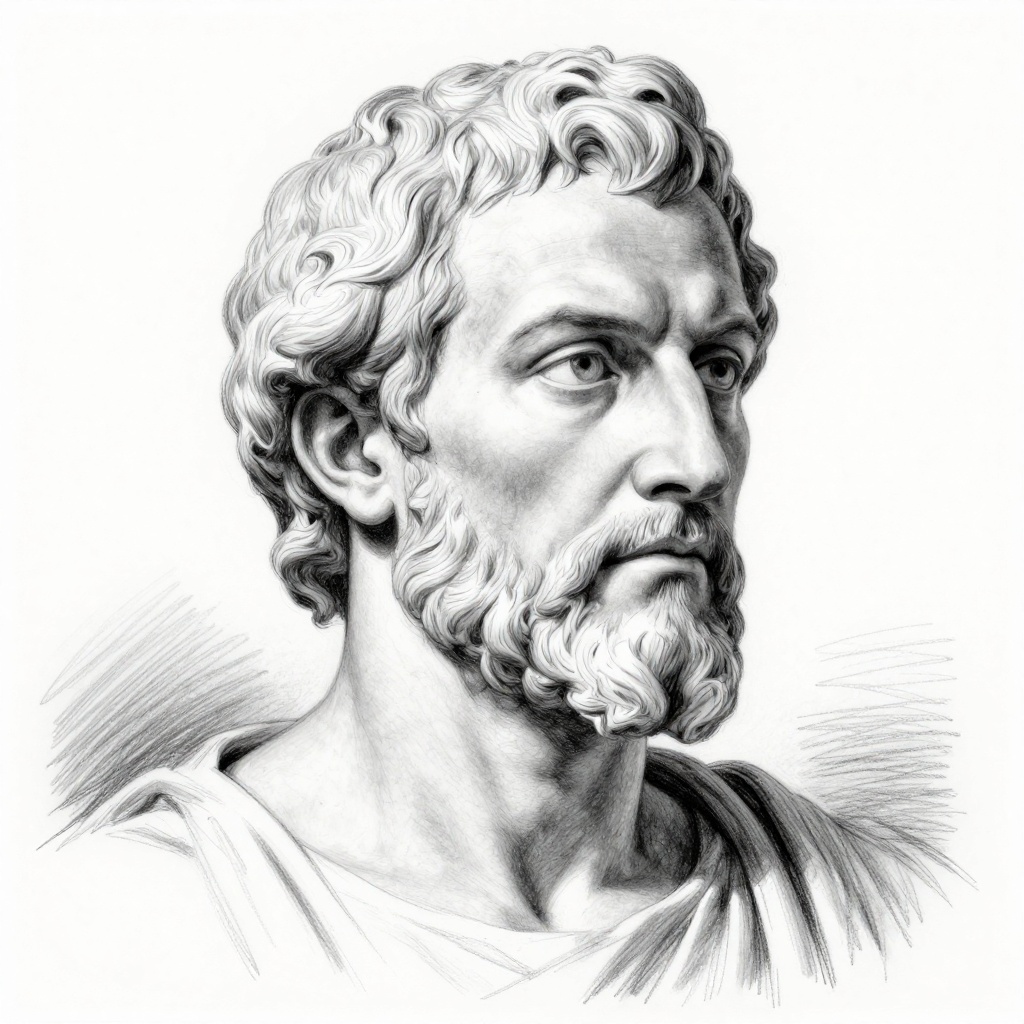
Both old and young alike ought to seek wisdom: the former in order that, as age comes over him, he may be youn... — Epicurus

Both old and young alike ought to seek wisdom: the former in order that, as age comes over him, he may be young in good things because of the grace of what has been, and the latter in order that, while he is young, he may at the same time be old, because he has no fear of the things which are to come.

Author: Epicurus

Insight: There's something quietly radical here about how we're supposed to age. We usually think of getting older as a one-way slide toward losing things—energy, relevance, possibility. But this suggests the opposite: that wisdom picked up along the way actually keeps you flexible, curious, and alive in spirit. An older person grounded in experience doesn't have to cling to youth or panic about decline; they've already seen how things unfold. The flip side is just as interesting. Young people who've thought seriously about life, who understand that hard things happen to everyone, aren't actually trapped in recklessness or anxiety about the future. They move with a kind of calm confidence because they're not white-knuckling their way through each day, terrified of what's coming. They're already old in the way that matters—seasoned in perspective before their body catches up. What makes this stick today is how much we fight against it. We're sold the idea that youth is a time to panic and grab, and age is a time to settle and regret. But the real possibility, Epicurus suggests, is something messier and better: staying genuinely young by remaining open, and becoming genuinely settled by facing reality head-on, no matter which decade you're in.

Wisdom keeps you young, fear makes you old

Both old and young alike ought to seek wisdom: the former in order that, as age comes over him, he may be young in good things because of the grace of what has been, and the latter in order that, while he is young, he may at the same time be old, because he has no fear of the things which are to come.

There's something quietly radical here about how we're supposed to age. We usually think of getting older as a one-way slide toward losing things—energy, relevance, possibility. But this suggests the opposite: that wisdom picked up along the way actually keeps you flexible, curious, and alive in spirit. An older person grounded in experience doesn't have to cling to youth or panic about decline; they've already seen how things unfold.

The flip side is just as interesting. Young people who've thought seriously about life, who understand that hard things happen to everyone, aren't actually trapped in recklessness or anxiety about the future. They move with a kind of calm confidence because they're not white-knuckling their way through each day, terrified of what's coming. They're already old in the way that matters—seasoned in perspective before their body catches up.

What makes this stick today is how much we fight against it. We're sold the idea that youth is a time to panic and grab, and age is a time to settle and regret. But the real possibility, Epicurus suggests, is something messier and better: staying genuinely young by remaining open, and becoming genuinely settled by facing reality head-on, no matter which decade you're in.

AI generated

Comments

Sign in to leave a comment or reply to one.

Sign in

Epicurus

Epicurus (341-270 BC) was an ancient Greek philosopher who founded the school of philosophy known as Epicureanism. He is known for his teachings on achieving a happy and tranquil life through the pursuit of simple pleasures, moderation, and the avoidance of pain and anxiety. Epicurus believed that true happiness could be attained through friendship, freedom, and living a virtuous life.

Graph

Related