Quote · Added 1 May 2024
Do not spoil what you have by desiring what you have not; remember that what you now have was once among the things you only hoped for.
EpicurusVatican Saying 35, Epicurus Wiki
Filed undergratitude·desire·reflection
Quote · Added 1 May 2024
Filed undergratitude·desire·reflection
There's something quietly powerful about stopping mid-complaint to remember that the thing you're taking for granted now was once something you genuinely wanted. That comfortable apartment, the relationship that's become routine, the job that felt like a breakthrough last year—they're all victims of a peculiar human forgetting. We achieve what we hoped for, then almost immediately start hunting for the next thing, as if contentment is just failure dressed up as acceptance.
The trap isn't wanting more. It's the belief that more is the solution to whatever dissatisfaction is humming beneath the surface right now. We mistake the itch of restlessness for a genuine lack. But often what we're actually missing isn't a new possession or circumstance—it's the attention and gratitude we used to bring to things before they became normal. You can want growth and advancement while still being genuinely present with what's already yours. These aren't opposites.
The practical move isn't to stop wanting anything. It's to occasionally pause and remember the specific relief you felt when you got what you have now. That memory isn't sentimentality. It's data. It's proof that you've already found things worth having, and proof that the happiness boost from acquiring them fades faster than we expect. Knowing that changes how you spend your wanting.
d. 270
Epicurus (341-270 BC) was an ancient Greek philosopher who founded the school of philosophy known as Epicureanism. He is known for his teachings on achieving a happy and tranquil life through the pursuit of simple pleasures, moderation, and the avoidance of pain and anxiety. Epicurus believed that true happiness could be attained through friendship, freedom, and living a virtuous life.
Also by Epicurus
Nothing is enough to the man for whom enough is too little.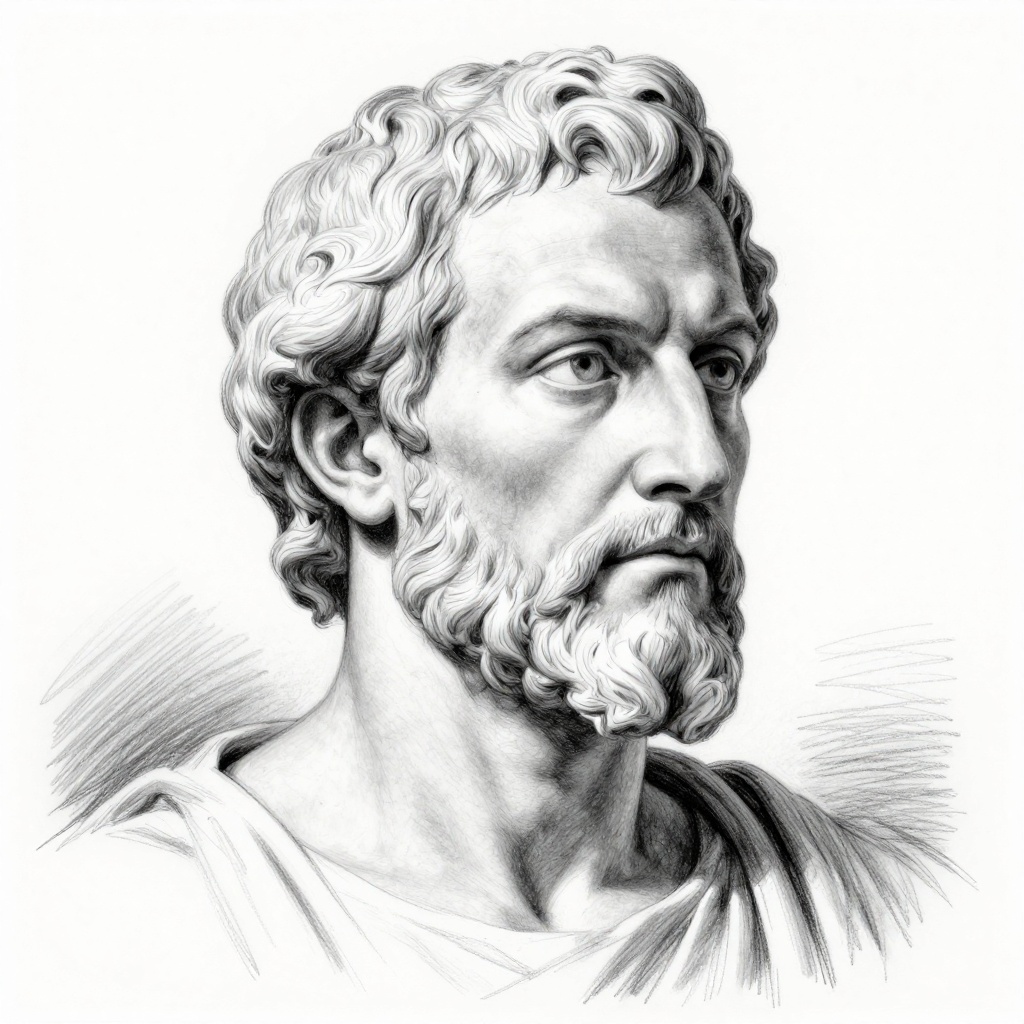
Comments