Quote · Added 14 February 2026
Hope is the thing with feathers that perches in the soul - and sings the tunes without the words - and never stops at all.
Emily DickinsonPoems, p. 123, 1890
No ratings yet
Filed underhope·soul·resilience
Quote · Added 14 February 2026
Filed underhope·soul·resilience
There's something almost uncomfortable about hope, if you think about it. It doesn't announce itself or make logical arguments. It just shows up—quietly, without permission—and starts humming. You can't quite explain why you feel it, and you definitely can't prove it's justified. Yet there it sits, this wordless song in your chest, keeping you from giving up even when everything looks bleak.
What makes Dickinson's image so sharp is that she doesn't describe hope as something you choose or build. It's a visitor, a creature with its own life. That means you're not responsible for manufacturing it or controlling it. Sometimes it vanishes, sure. But the real trap is when we try too hard to kill it, to be "realistic" and talk ourselves out of that impossible feeling. We pile up reasons why it's naive, why we should accept defeat, and we do it so thoroughly that we almost miss the faint melody still playing underneath.
The part about it never stopping is maybe the truest part. Hope doesn't require you to be productive or optimistic every single day. It survives your doubt, your exhaustion, your perfectly reasonable cynicism. It's there in the background, perched and singing, waiting for the moment when you're tired enough to stop arguing with it and actually listen.
1830–1886·lived 55 years
Emily Dickinson was an American poet known for her unique and concise style of writing. She lived from 1830 to 1886 and is recognized as one of the most important and influential poets in American literature. Despite living a reclusive life, her poetry explored themes of nature, love, death, and immortality.
Also by Emily Dickinson
I wish you a kinder sea.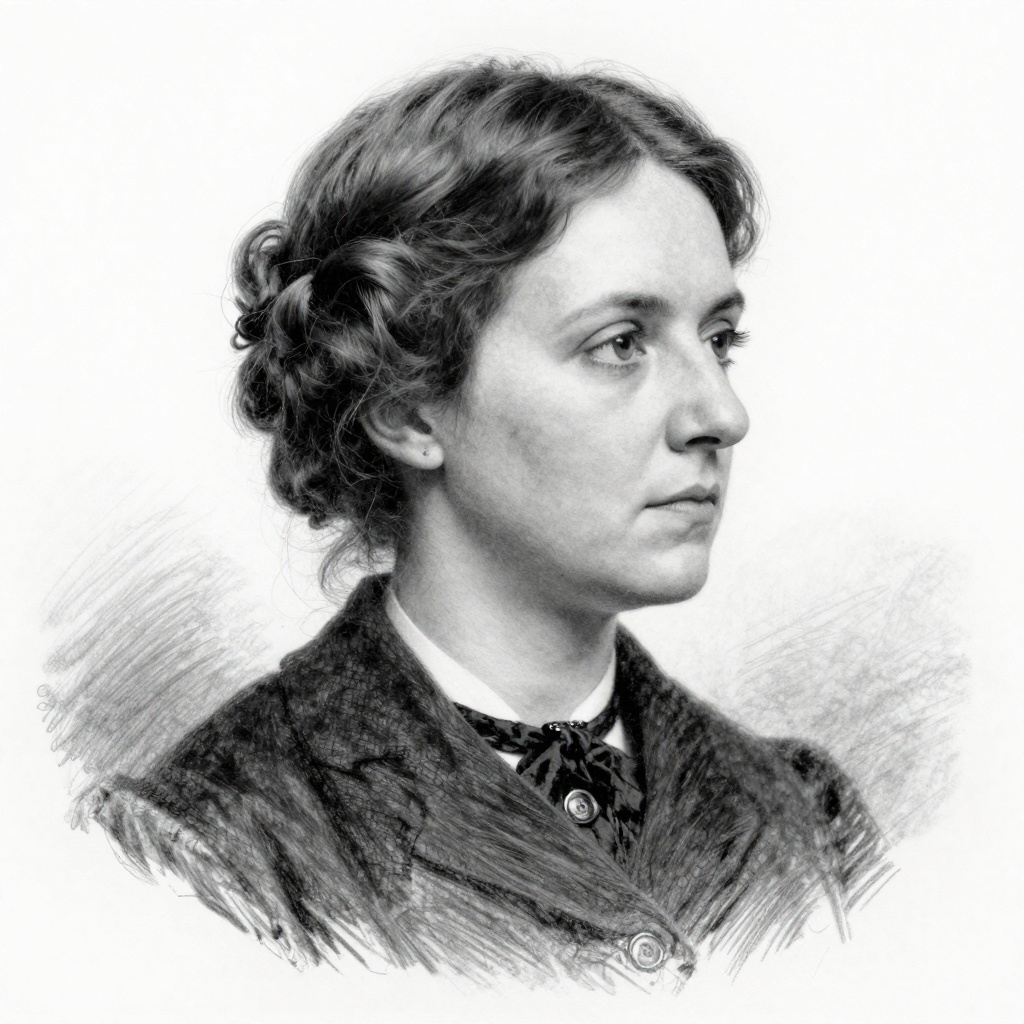
Comments