Quote · Added 5 July 2024
I'd rather die on my feet, than live on my knees.
No ratings yet
Quote · Added 5 July 2024
We usually think of this as purely political—a revolutionary's defiance against oppression. But it speaks to something closer to home: the quiet daily choice between dignity and comfort. How many of us compromise ourselves in small ways because it's easier? We swallow our real opinions at work, stay in situations that diminish us, or accept treatment we'd never tolerate if we had the courage to say no. The quote doesn't demand you be reckless; it's really asking whether the life you're living right now actually belongs to you.
The tricky part is that "living on your knees" rarely feels like surrender in the moment. It feels practical. Reasonable. Everyone does it. But there's a creeping cost to always choosing the safe option over the true one—a kind of slow atrophy of self-respect that's harder to recover from than a single dramatic stand. The paradox is that people who command genuine respect in their lives are usually those willing to risk something for what matters to them, whether that's a conversation, a boundary, or walking away entirely.
1879–1919·lived 39 years
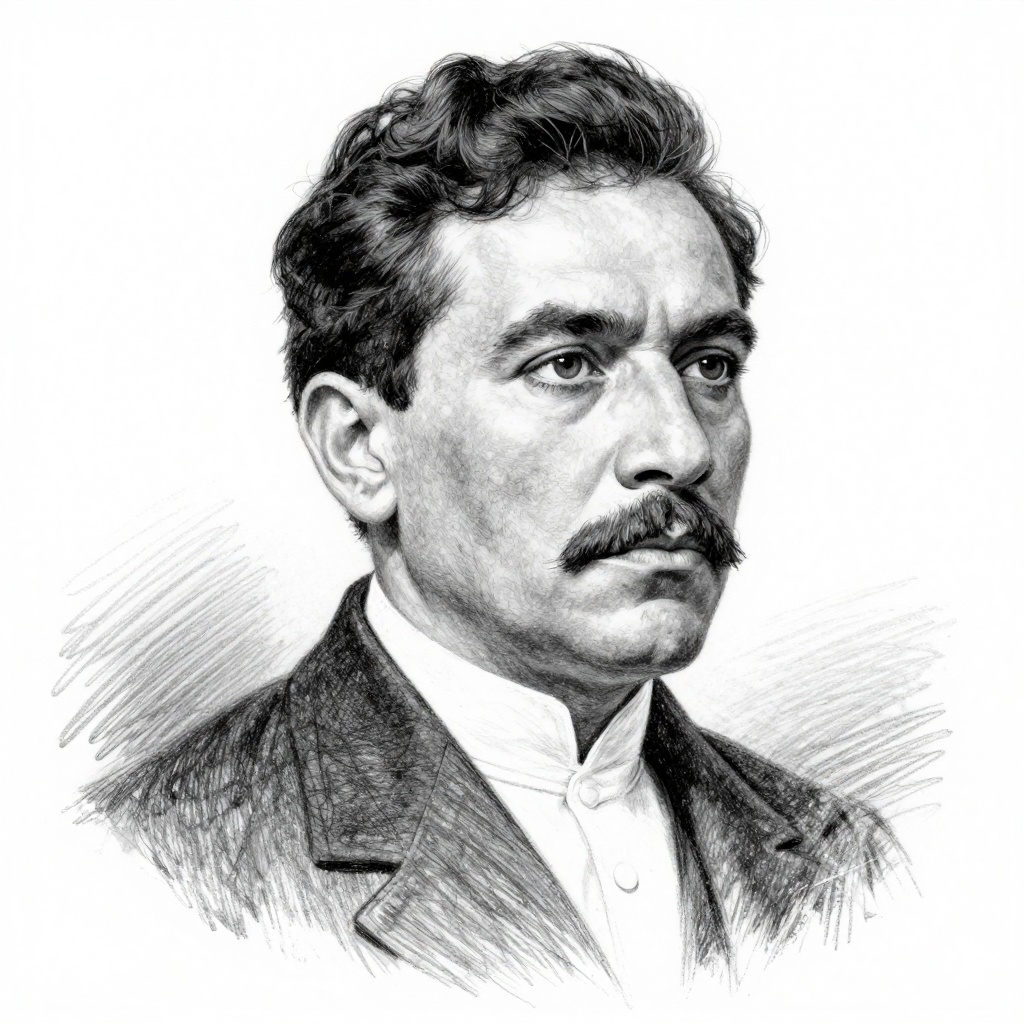
Emiliano Zapata (1879–1919) was a Mexican revolutionary leader and advocate for agrarian rights. He is best known for being a key figure in the Mexican Revolution, leading the peasant movement in the southern state of Morelos. Zapata's call for land reform and social justice continues to inspire movements for human rights and agricultural reform in Mexico.
Comments