Quote · Added 14 February 2026
A good teacher must be able to put himself in the place of those who find learning hard.
Eliphas LeviThe Great Secret, Or, Occultism Unveiled
No ratings yet
Quote · Added 14 February 2026
The best teachers aren't necessarily the ones who find everything easy. They're the ones who remember what confusion feels like, who can trace back through their own learning struggles to recognize the exact moment a student's eyes go blank. When you can genuinely inhabit that place of not-knowing, you stop explaining things in ways that make sense only to you. You start asking different questions: "Where are you stuck?" instead of "Don't you get it?"
This matters beyond classrooms too. We all teach each other constantly—at work, in relationships, when helping a friend with something unfamiliar. The person who rushes to solutions without slowing down to understand why someone's struggling usually frustrates them further. But someone who says "I remember finding this confusing too, let me show you how I worked through it" creates permission for genuine learning to happen.
There's also a hidden gift in this: the teachers and helpers who stay connected to difficulty tend to be kinder and more patient people overall. They've kept their capacity for empathy sharp by refusing to forget what they didn't know. That's a habit worth developing, whether you're teaching formally or just moving through a world where everyone's learning something they find hard.
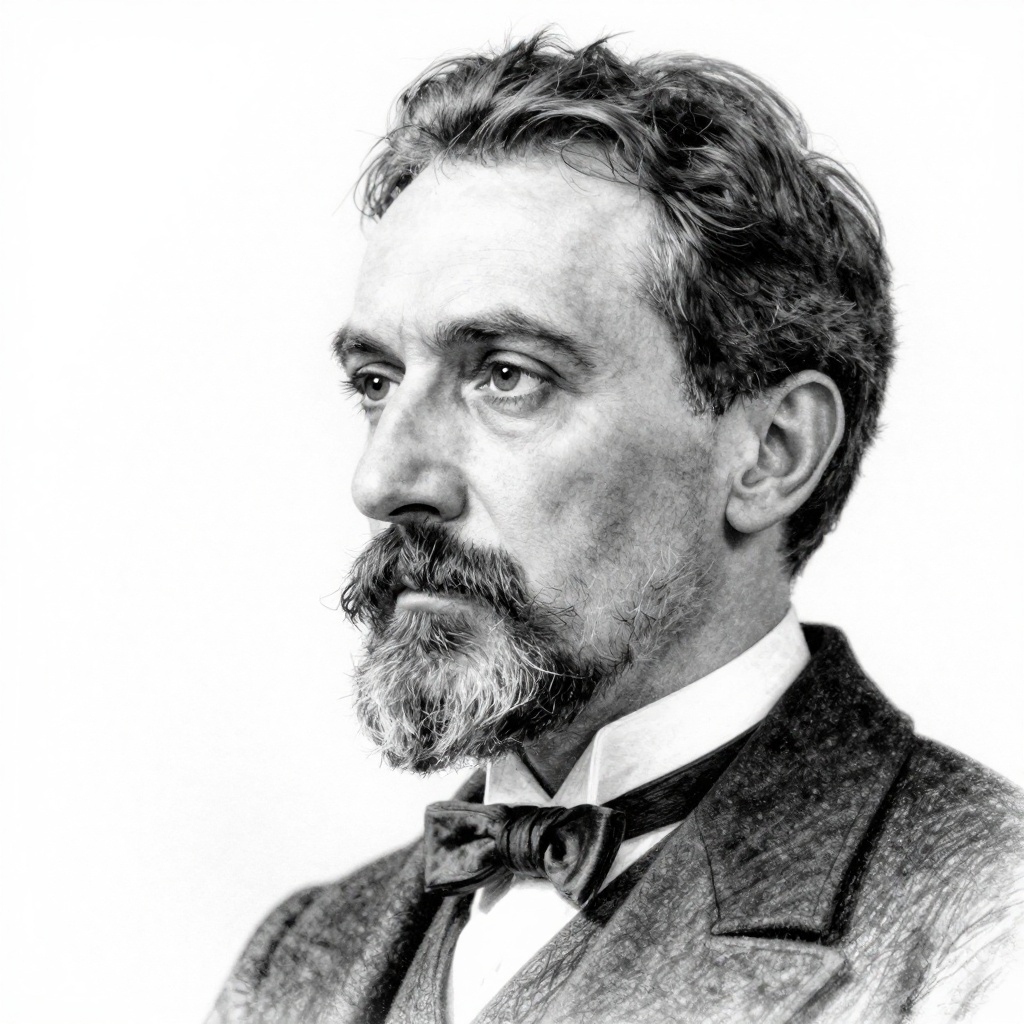
1810–1875·lived 65 years
Eliphas Lévi, born in 1810 as Alphonse Louis Constant, was a French occultist, author, and magician, best known for his influential works on magic and the occult, particularly "Dogme et Rituel de la Haute Magie." He played a pivotal role in the revival of interest in Hermeticism and kabbalistic traditions in the 19th century and is often credited with popularizing the concept of modern ceremonial magic. Lévi's writings have had a lasting impact on esotericism and the Western occult tradition.
Comments