Quote · Added 14 February 2026
I have always believed that I should have had no difficulty in causing my rights to be respected.
Eli WhitneyEnglish and American Tool Builders, p. 141
No ratings yet
Quote · Added 14 February 2026
There's something quietly powerful in Whitney's certainty here—this belief that if you're right about something, if your claim is just, then making people see it should be straightforward. It captures a kind of optimism we still feel today, especially when we're convinced we're in the right. We assume that clarity and logic will win the day.
But life keeps teaching us otherwise. A good idea doesn't automatically get funded. Fair treatment doesn't arrive just because you deserve it. Whitney invented the cotton gin, which should have made him wealthy and secure, yet he spent years battling patent disputes and fighting for compensation. His confidence in "having no difficulty" collided hard with the messy reality of human nature, legal systems, and people's willingness to exploit loopholes.
The real lesson isn't that Whitney was naive, but that being right is only half the battle. Getting your rights respected requires persistence, sometimes aggression, and often the help of others. It requires understanding that the world doesn't automatically reward merit—you have to actively defend it. That gap between deserving something and actually getting it is where most of us live.
1765–1825·lived 59 years
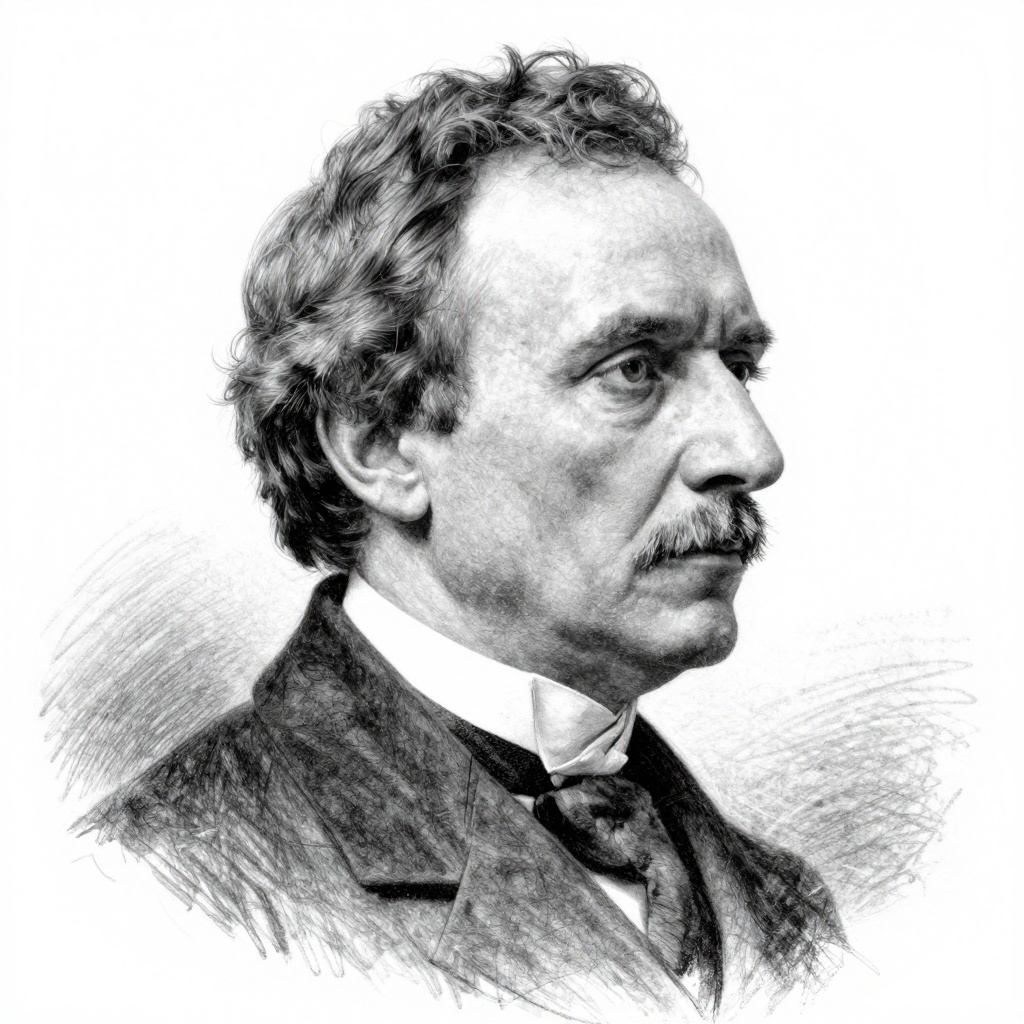
Eli Whitney was an American inventor and businessman best known for inventing the cotton gin in 1793, a device that revolutionized the cotton industry by significantly speeding up the process of separating cotton fibers from seeds. He was also a pioneer in the development of interchangeable parts for manufacturing, which laid the groundwork for modern mass production techniques. Whitney's innovations greatly impacted the economy and the industrial landscape of the United States.
Comments