Quote · Added 14 February 2026
We are punished by our sins, not for them.
Elbert HubbardThe Note Book of Elbert Hubbard, p. 12, 1927
No ratings yet
Filed undersins·punishment·consequences
Quote · Added 14 February 2026
Filed undersins·punishment·consequences
Most of us grow up thinking punishment is something external—a parent's anger, a teacher's detention, society's judgment. We imagine wrongdoing gets corrected from the outside in. But this quote flips that around in a way that actually makes sense the more you live: the real damage isn't the consequence, it's what the wrongdoing does to you.
Think about a time you lied to someone you cared about. The guilt you carried around, the distance that created, the way you had to keep managing the story—that internal weight was the actual punishment. Or consider when you cut corners at work or treated someone poorly. The punishment wasn't a boss finding out; it was knowing what you're capable of and what kind of person you become when you compromise. You can't unknow that about yourself.
This reframes why changing behavior actually matters. You're not primarily trying to avoid getting caught or facing consequences. You're trying to avoid becoming someone who lives with that particular kind of damage inside. It's a harder truth than "do this or else," but it's also more motivating, because it makes clear that you're the one enforcing the most important rule—the one about who you want to be.
1856–1915·lived 58 years
Elbert Hubbard was an American writer, publisher, and artist, best known for his founding of the Roycroft artisan community in East Aurora, New York. He was a leading figure in the Arts and Crafts Movement, and his most famous work is the essay "A Message to Garcia." Hubbard died in 1915 aboard the RMS Lusitania, which was torpedoed by a German U-boat during World War I.
Also by Elbert Hubbard
The love we give away is the only love we keep.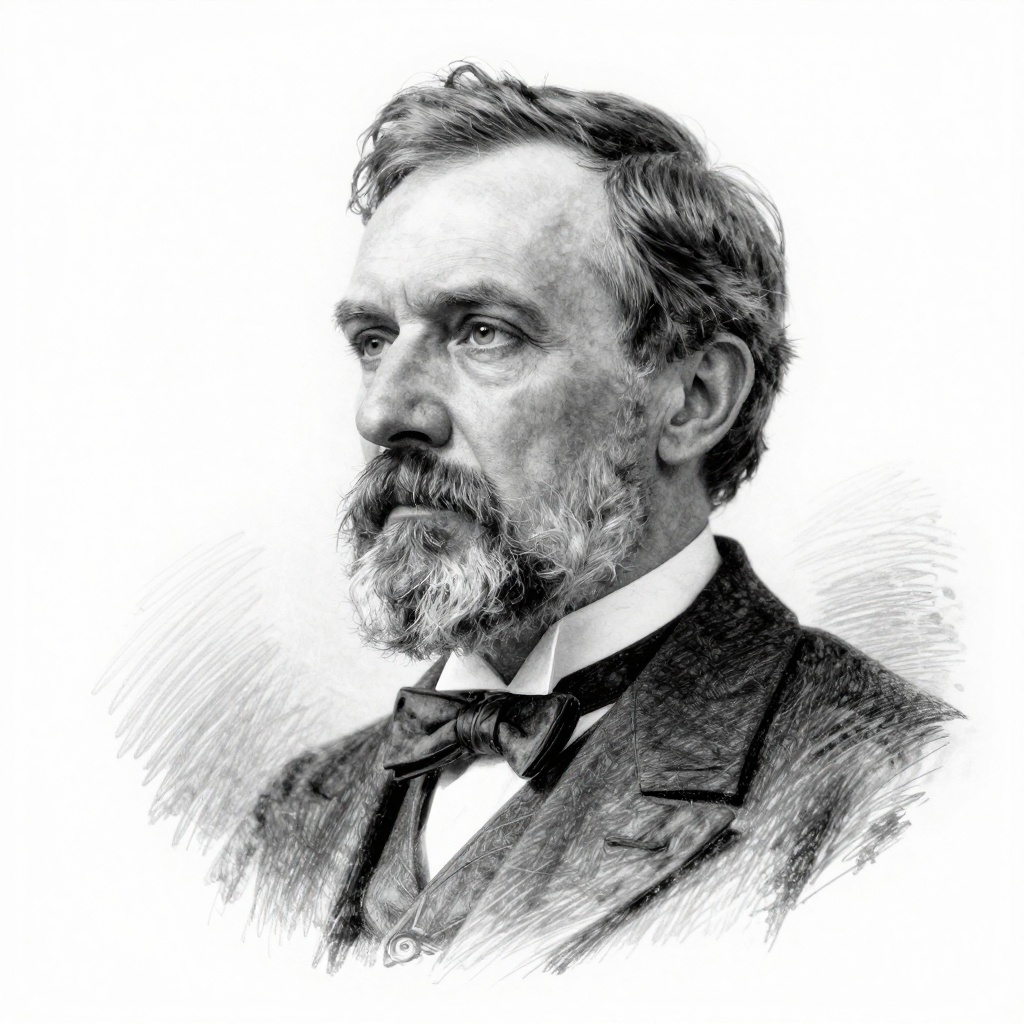
Comments