Quote · Added 22 September 2023
To avoid criticism say nothing, do nothing, be nothing.
Elbert HubbardLittle Journeys to the Homes of American Statesmen, 1898
No ratings yet
Filed undercriticism·bravery·expression
Quote · Added 22 September 2023
Filed undercriticism·bravery·expression
The safest life is also the smallest one. If you never put yourself out there—never share an idea, never try something new, never take a stand—then sure, nobody can shoot it down. But that protection comes at a real cost: you become invisible, even to yourself. Most of us live somewhere between these extremes, which means we're constantly negotiating with fear.
The tricky part is that criticism stings precisely because we care. A random insult from a stranger barely registers, but pushback on something that matters to us can paralyze us for days. So we self-edit. We make ourselves smaller. We stick to safe opinions and safer choices. But here's what's counterintuitive: the people we actually admire—the ones who seem to have figured something out, who create things, who lead—aren't braver than us. They just decided at some point that the alternative to criticism was worse.
That doesn't mean seeking criticism or ignoring legitimate feedback. It means recognizing that doing anything worthwhile will attract disagreement. The question isn't how to avoid it. It's whether you're willing to be criticized for something you actually believe in, rather than living untouched but unalive.
1856–1915·lived 58 years
Elbert Hubbard was an American writer, publisher, and artist, best known for his founding of the Roycroft artisan community in East Aurora, New York. He was a leading figure in the Arts and Crafts Movement, and his most famous work is the essay "A Message to Garcia." Hubbard died in 1915 aboard the RMS Lusitania, which was torpedoed by a German U-boat during World War I.
Also by Elbert Hubbard
The love we give away is the only love we keep.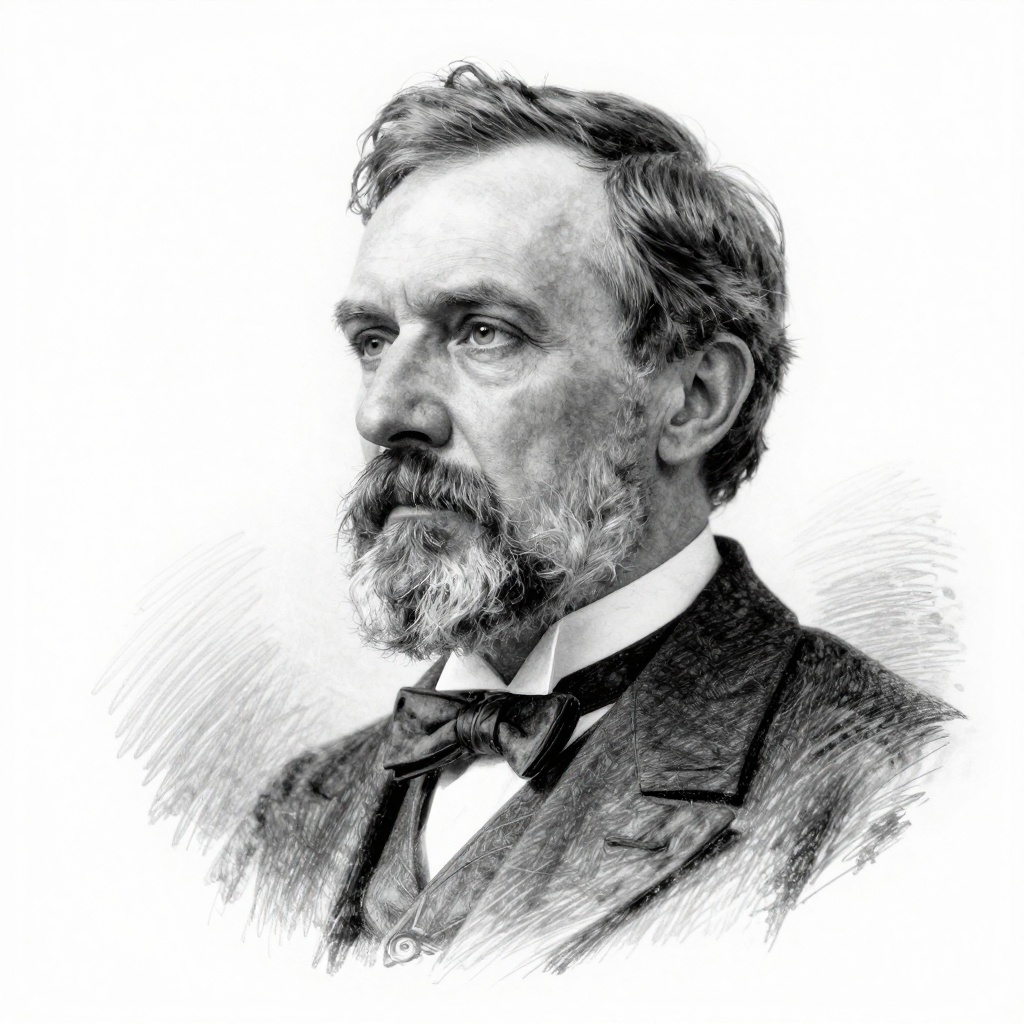
Comments