Quote · Added 14 February 2026
The best preparation for good work tomorrow is to do good work today.
Elbert HubbardElbert Hubbard's Selected Writings: The American Bible, 1998
No ratings yet
Filed underwork·preparation·success
Quote · Added 14 February 2026
Filed underwork·preparation·success
We often treat preparation like something separate from actual work—something we do in advance, outside the main event. We tell ourselves we'll get serious tomorrow, after we've cleaned up today's mess or finished the preliminary stuff. But this idea flips that around: the best thing you can do right now is just do the work well. Not perfectly, not obsessively, but with real attention and care.
There's something both simple and deeply practical here. When you work conscientiously today, you're not just completing a task—you're building momentum, developing better habits, and solving small problems that would otherwise pile up. You're also training your own mind and hands. Tomorrow's work becomes easier not because you spent hours planning it, but because today you actually showed up and did something real.
The counterintuitive part is that this works backward too. When you slack today and tell yourself "I'll make up for it tomorrow," you're not just delaying work—you're delaying the skills you'd have developed, the confidence you'd have built, the small insights that only come from actually doing. Tomorrow arrives, but you show up less practiced, less clear, less ready. The preparation was always happening in the present moment.
1856–1915·lived 58 years
Elbert Hubbard was an American writer, publisher, and artist, best known for his founding of the Roycroft artisan community in East Aurora, New York. He was a leading figure in the Arts and Crafts Movement, and his most famous work is the essay "A Message to Garcia." Hubbard died in 1915 aboard the RMS Lusitania, which was torpedoed by a German U-boat during World War I.
Also by Elbert Hubbard
The love we give away is the only love we keep.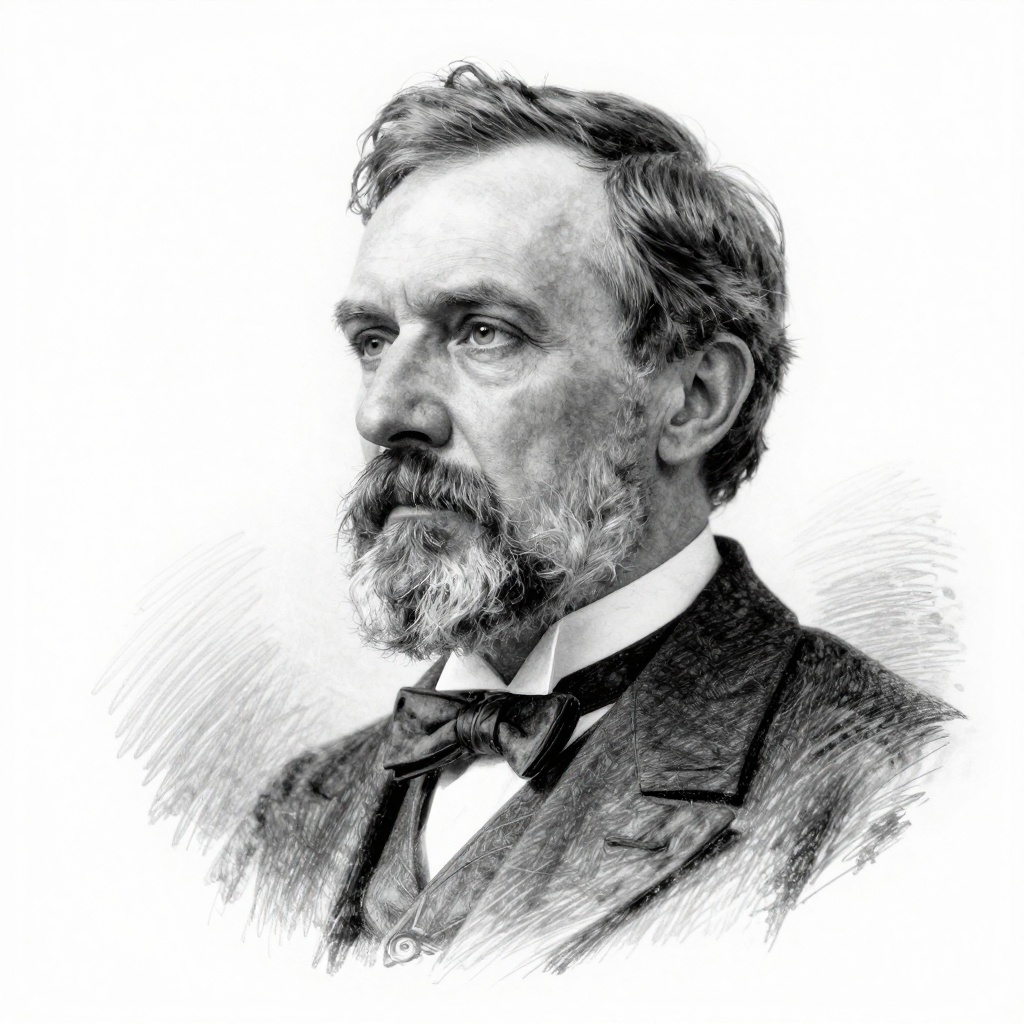
Comments