Quote · Added 15 February 2026
Persistent people begin their success where others end in failure.
No ratings yet
Filed underpersistence·success·determination
Quote · Added 15 February 2026
Filed underpersistence·success·determination
There's a strange comfort in failure when you look at it this way. Most people hit a wall and assume that's the end of the story—the job rejection, the failed business, the relationship that didn't work out. They pack it in and move on, which is reasonable. But persistent people treat that same wall as the actual starting point of something new.
The difference isn't some magical resilience or inhuman toughness. It's simpler: they've reframed what failure means. Where everyone else sees a dead end, they see information. They see what doesn't work, which narrows down what might. This is why you'll notice that successful people often have longer résumés of "failures" than average—not because they're worse at things, but because they kept going further into territory where most people stop. They got to do the work that happens after the point where others quit.
The real insight is that persistence doesn't compete with talent or luck. It operates in a different dimension entirely. It's about staying engaged long enough to actually learn, to adjust, to try again with better footing. Most advantages in life go to people patient enough to do the work that gets boring or uncomfortable, simply because so few people are willing to show up there at all.
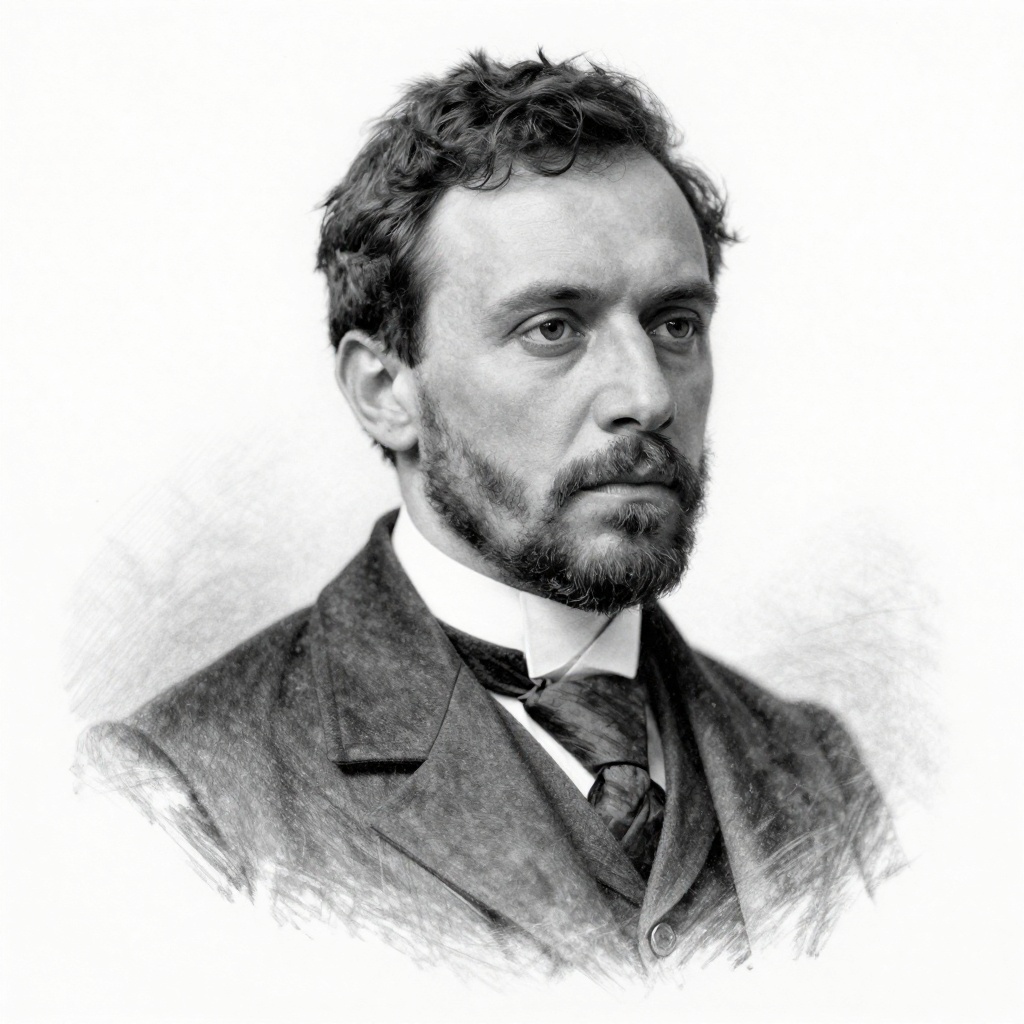
1837–1902·lived 64 years
Edward Eggleston (1837-1902) was an American historian, novelist, and editor, best known for his contributions to American literature and historical writing. He played a key role in the development of the regional novel and is often recognized for his series of novels depicting life in the American Midwest, particularly "The Hoosier Schoolmaster." Eggleston also authored notable historical works, including "The Beginners of a Nation," which explored early American history.
Comments