Quote · Added 14 February 2026
Happiness grows at our own firesides, and is not to be picked in strangers' gardens.
Douglas William JerroldSpecimens of Douglas Jerrold's wit (ed. 1859)
No ratings yet
Filed underhappiness·self·contentment
Quote · Added 14 February 2026
Filed underhappiness·self·contentment
Most of us have been sold a seductive lie: that happiness lives somewhere else. In someone else's life, someone else's relationship, someone else's career. We scroll through carefully curated versions of other people's existence and feel a familiar ache—if only we had what they have, knew who they know, lived where they live. But this quote points to something harder to accept: the good stuff, the real stuff, actually grows in the unglamorous places we already inhabit.
Your own fireside is messy. It's your partner's bad jokes, your kid's weird obsessions, the routines you've built with people who actually know you. It's the satisfaction of a meal you cooked yourself, a conversation with someone who's been in your life for years. These don't photograph well. They don't feel exotic. But they compound over time in ways that borrowed happiness never does.
The non-obvious part? This doesn't mean never seeking new experiences or growth. It means recognizing that the foundation has to be local. Contentment isn't about rejecting ambition or adventure—it's about understanding that the deepest satisfaction comes from tending what's already yours rather than constantly scanning the horizon for something better. The strangers' gardens will always seem lusher from a distance. Your own garden just needs attention.
1803–1857·lived 54 years
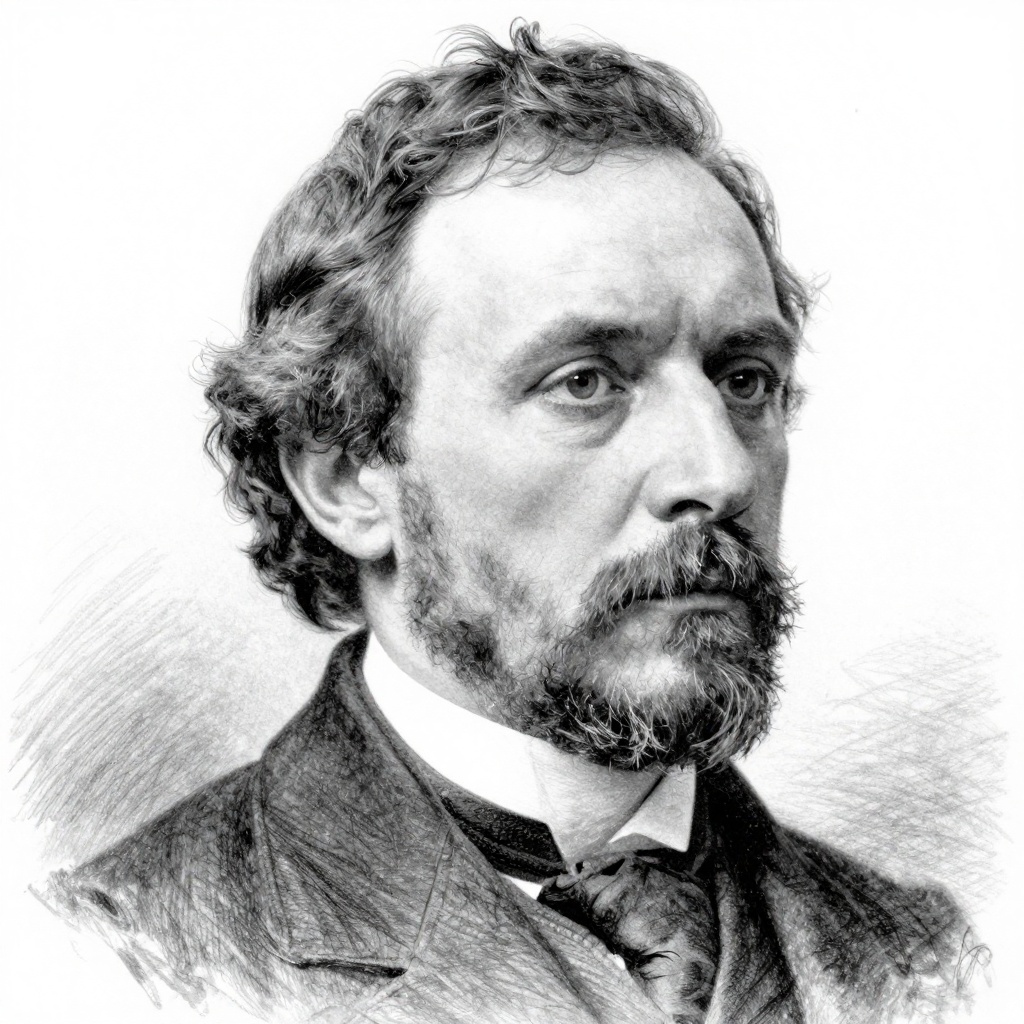
Douglas William Jerrold was an English playwright, novelist, and journalist born on January 3, 1803. He is best known for his comedic works and contributions to the theater, particularly for his play "The Rent Day." Jerrold was also a prominent figure in Victorian literature and journalism, known for his sharp wit and social commentary.
Comments