Quote · Added 14 February 2026
Working with plants, trees, fences and walls, if they practice sincerely they will attain enlightenment.
Dōgen ZenjiShobogenzo, 1240
No ratings yet
Filed underplants·enlightenment·sincerity
Quote · Added 14 February 2026
Filed underplants·enlightenment·sincerity
There's something quietly radical here: enlightenment isn't locked behind monastery doors or philosophical texts. It's available through the ordinary, repetitive work of your hands. A fence that needs mending, a garden that needs tending, walls that need repair—these aren't distractions from the spiritual path. They are the path.
Most of us live with this nagging sense that real growth happens somewhere else—in a book we haven't read yet, a retreat we can't afford, a conversation with someone wiser. Meanwhile, we're watering plants or fixing what's broken, treating these tasks as obstacles to bypass. Dōgen suggests the opposite: sincerity with what's actually in front of you transforms everything. The repetition, the physical presence, the direct contact with something real and alive—this is where understanding actually lives.
The surprising angle is that you don't need to abandon your ordinary life to find clarity. You need to stop abandoning it. The fence you're neglecting, the plants dying from inattention, the small maintenance work you keep postponing—these offer something that scrolling through spiritual wisdom never will. They ask you to show up, pay attention, and work with something that doesn't care about your doubts or excuses.
1200–1253·lived 53 years
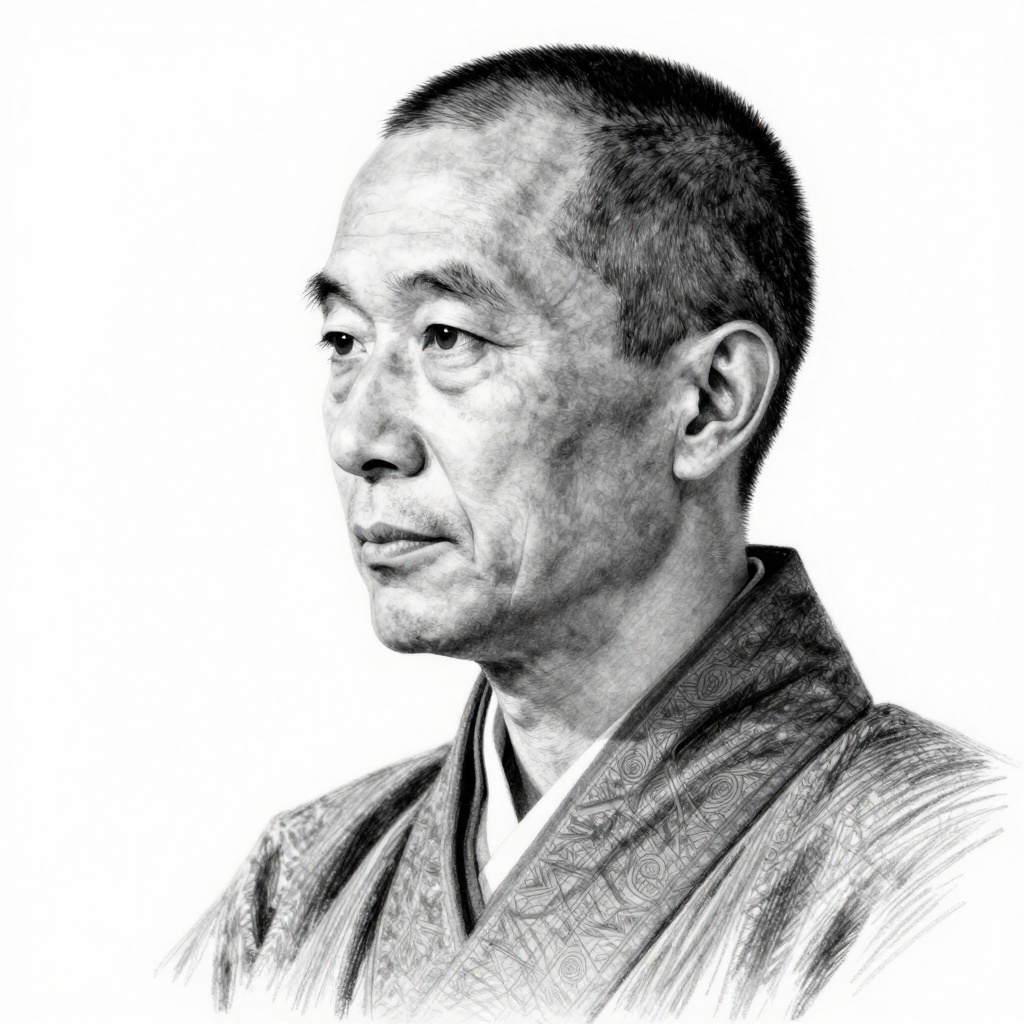
Dōgen Zenji (1200-1253) was a Japanese Buddhist monk, writer, and philosopher, best known as the founder of the Soto school of Zen Buddhism. He is renowned for his teachings on zazen (sitting meditation) and his influential work "Shobogenzo," which blends profound insights on Zen practice with philosophical discourse. Dōgen's emphasis on direct experience and the importance of mindfulness in everyday life has had a lasting impact on Zen practice and philosophy.
Comments