Quote · Added 14 February 2026
All that I am I owe to Jesus Christ, revealed to me in His divine Book.
David LivingstoneThe Last Journals of David Livingstone in Central Africa, from 1865 to His Death, 1874
Quote · Added 14 February 2026
There's something bracing about Livingstone's clarity here—he doesn't hedge or apologize for the source of his meaning. But the real insight isn't about religious belief; it's about what happens when someone genuinely credits their direction to something larger than themselves. Most of us spend energy carefully curating how much we "owe" to anything outside our own effort. We want the credit. Yet people often point to a book, a teacher, a parent, or a principle that fundamentally rewired how they see the world—and there's a kind of freedom in admitting that rather than pretending we self-made ourselves from nothing.
The trickier part of Livingstone's statement is recognizing that "revealed to me" is personal. He's not saying the book contains universal truths that everyone must accept the same way. He's describing an encounter, something that landed in his life and changed it. That distinction matters. You can respect someone's transformation through a text or idea without needing to have the same one yourself.
In a culture obsessed with finding our authentic voice and trusting our gut, there's something worth noticing about people who locate their direction outside themselves entirely—not in a passive way, but as an active choice to let something reshape them. That kind of openness to being changed might be rarer than we realize.
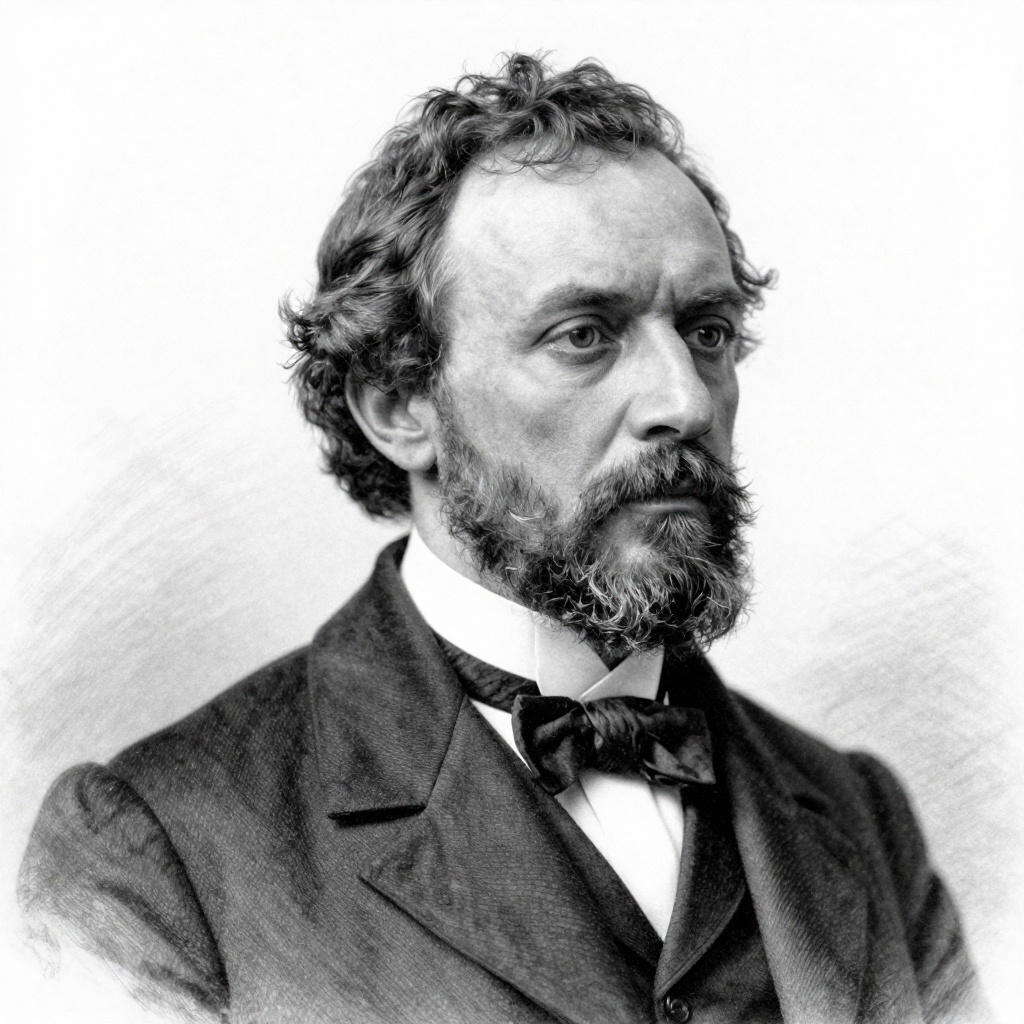
1813–1873·lived 60 years
David Livingstone was a Scottish missionary and explorer born on March 19, 1813. He is best known for his extensive exploration of Africa in the 19th century, where he sought to promote Christianity and combat the slave trade. Livingstone's travels, including his discovery of the Victoria Falls, and his writings greatly contributed to European knowledge of the African continent. He died on May 1, 1873, in Zambia.
Comments