Quote · Added 14 February 2026
I don't care half so much about making money as I do about making my point, and coming out ahead.
Cornelius VanderbiltThe Socratic Method
No ratings yet
Quote · Added 14 February 2026
Most people assume the ruthless tycoons of history were pure money-grabbers, but Vanderbilt hints at something more human and messier: sometimes we want to win more than we want to get rich. That desire to prove something, to show we were right, to come out ahead in a contest—it can override the actual financial logic. You see it everywhere now, from entrepreneurs who turn down lucrative buyouts because they want to build their thing their way, to people in arguments who'd rather be proven correct than preserve the relationship.
The tricky part is that "coming out ahead" is ambiguous. Does it mean more money, more respect, more vindication? Vanderbilt seemed to care about legacy and dominance as much as dollars. The insight isn't that money doesn't matter—clearly it did to him—but that the point, the principle, the score-settling often matters more. We tell ourselves we're playing for freedom or control, when sometimes we're just playing to win. That's worth noticing in yourself, especially when you're about to make a choice that costs you financially but feels symbolically important. The question then becomes: am I actually making my point, or just nursing my ego?
1794–1877·lived 82 years
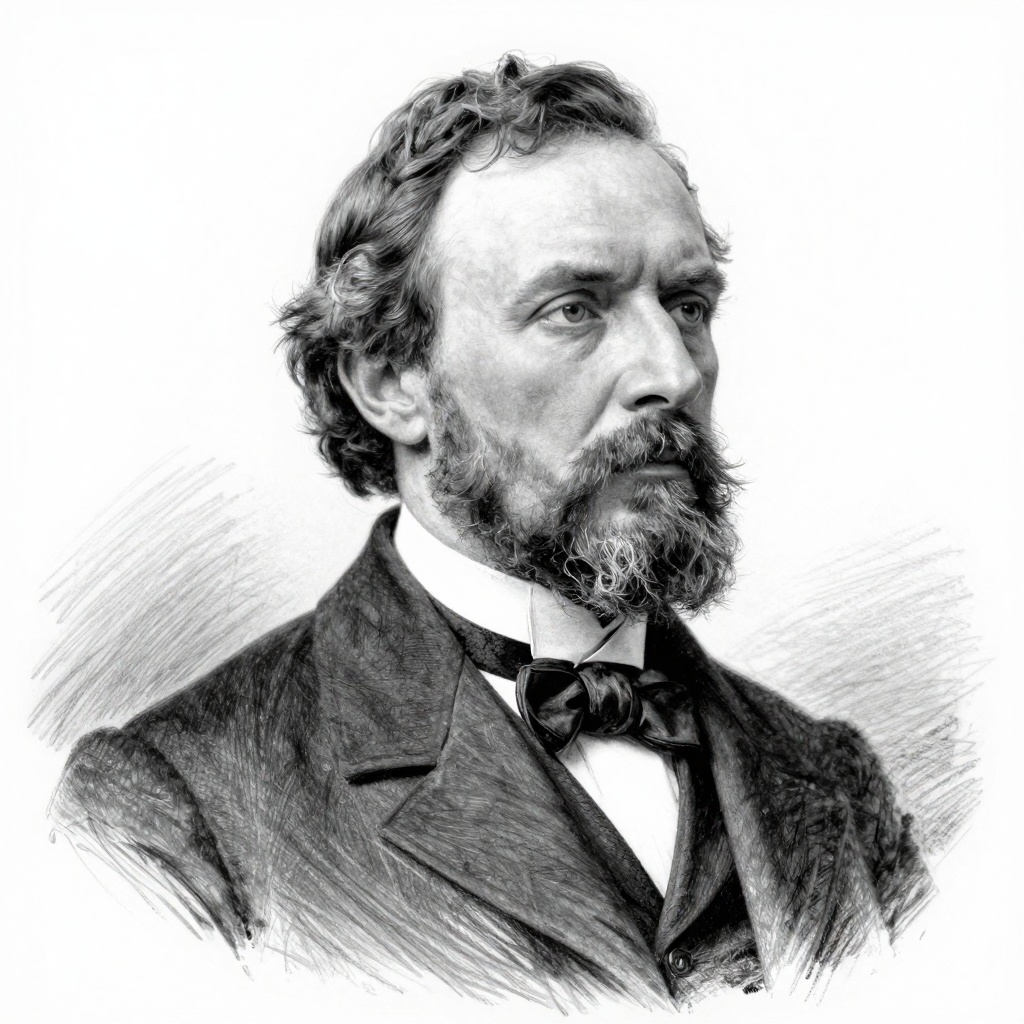
Cornelius Vanderbilt was an American business magnate and philanthropist born on May 27, 1794, in Staten Island, New York. He made his fortune in the shipping and railroad industries, becoming one of the wealthiest individuals of his time and a key figure in the development of the transportation infrastructure in the United States. Vanderbilt is best known for founding the Vanderbilt University and for his significant contributions to the expansion of the American railway system.
Comments