Quote · Added 14 February 2026
You cannot open a book without learning something.
ConfuciusAnalects, Book 2, 2010
No ratings yet
Quote · Added 14 February 2026
Every book—even a mediocre one or one you picked up by accident—contains something worth noticing. This isn't about pretending every page is gold. It's about training yourself to extract value from almost anything: a forgotten lesson, a different perspective, even just recognizing what you disagree with. That disagreement itself is learning.
The tricky part is that we've made reading feel more important and more intimidating than it needs to be. We wait for the "right" book, the bestseller, the thing everyone's talking about. But Confucius is pointing at something simpler: the act of reading itself—actually paying attention to words someone else arranged—shifts how you think. You absorb vocabulary, ideas, ways of framing problems. Sometimes it's subtle enough that you don't notice until weeks later when you catch yourself thinking in a new way.
There's also a quiet rebellion here against the pressure to be productive or pursue only "serious" reading. Comic books, old articles, random essays—they all count. The barrier to learning through reading is almost embarrassingly low. We just have to actually do it, stay curious, and trust that our brains are always working in the background, making connections we haven't consciously noticed yet.
d. 479
Confucius was a Chinese philosopher and teacher who lived in the 6th–5th century BC. Known for his ethical teachings, he emphasized personal and governmental morality, proper social relationships, justice, and sincerity. His ideas and philosophy, compiled in the Analects, have had a profound influence on Chinese culture and governance.
Also by Confucius
If you hate someone, then you are defeated by him.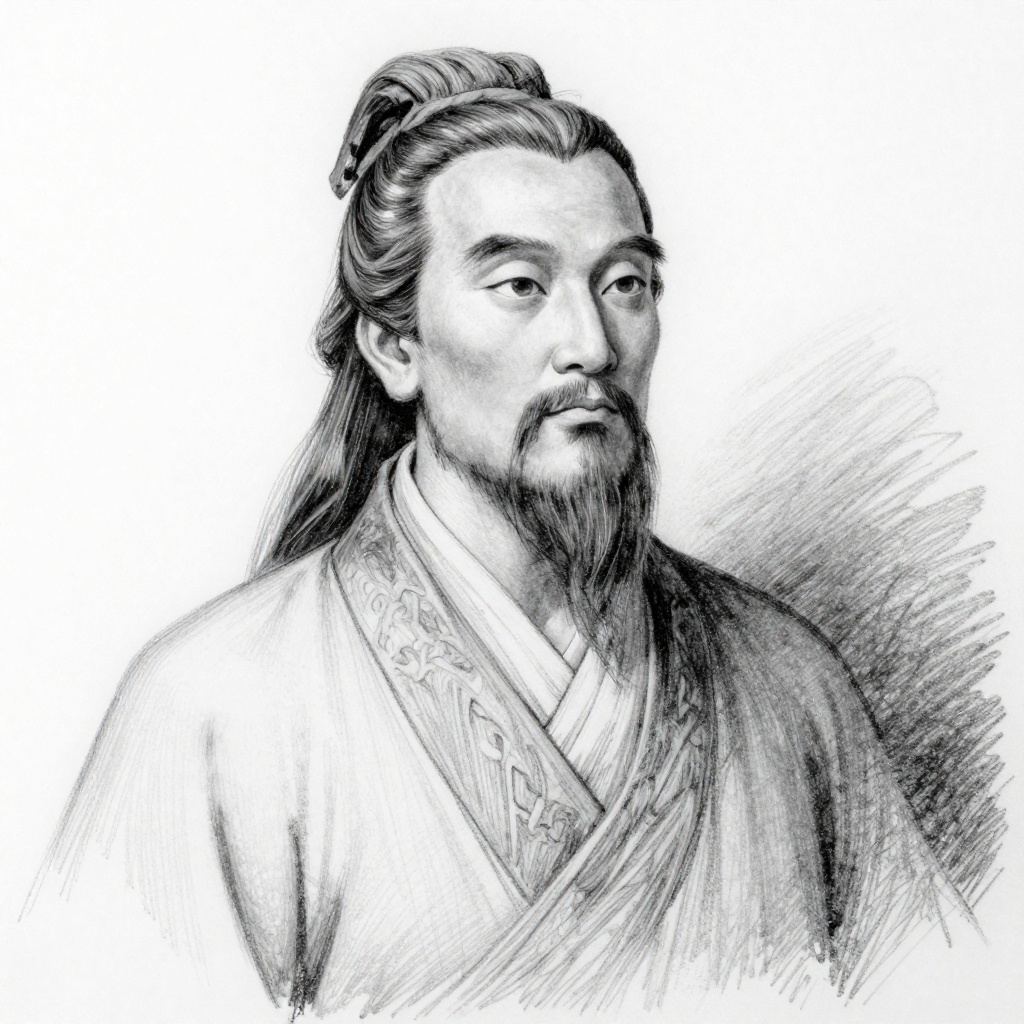
Comments