Quote · Added 14 February 2026
When it is obvious that the goals cannot be reached, don't adjust the goals, adjust the action steps.
ConfuciusThe Doctrine of the Mean, Chapter 14
No ratings yet
Filed undergoals·action·determination
Quote · Added 14 February 2026
Filed undergoals·action·determination
There's a peculiar moment in most people's lives when they realize they're trying to force something that isn't working. Maybe it's a relationship, a career path, or a personal habit. Our instinct is usually to lower the bar—convince ourselves that what we wanted wasn't actually that important anyway. But Confucius points at something tougher and more useful: the problem probably isn't your destination, it's how you're trying to get there.
This distinction matters because it separates two very different kinds of failure. One is pursuing something genuinely wrong for you. The other is pursuing something real through a strategy that's broken. Most of us conflate them. We abandon good goals because the current method isn't working, then spend years wondering why we never quite reached the things we actually cared about. The wisdom here is in the patience to ask: is this still what I want? If yes, then what am I doing wrong?
The practical version plays out everywhere. You want to be healthier but the gym routine isn't sticking—try a different movement. You want to write a book but staring at a blank screen paralyzes you—change how you approach the work. The goal doesn't need questioning; your path does. It's the difference between giving up and getting resourceful.
d. 479
Confucius was a Chinese philosopher and teacher who lived in the 6th–5th century BC. Known for his ethical teachings, he emphasized personal and governmental morality, proper social relationships, justice, and sincerity. His ideas and philosophy, compiled in the Analects, have had a profound influence on Chinese culture and governance.
Also by Confucius
If you hate someone, then you are defeated by him.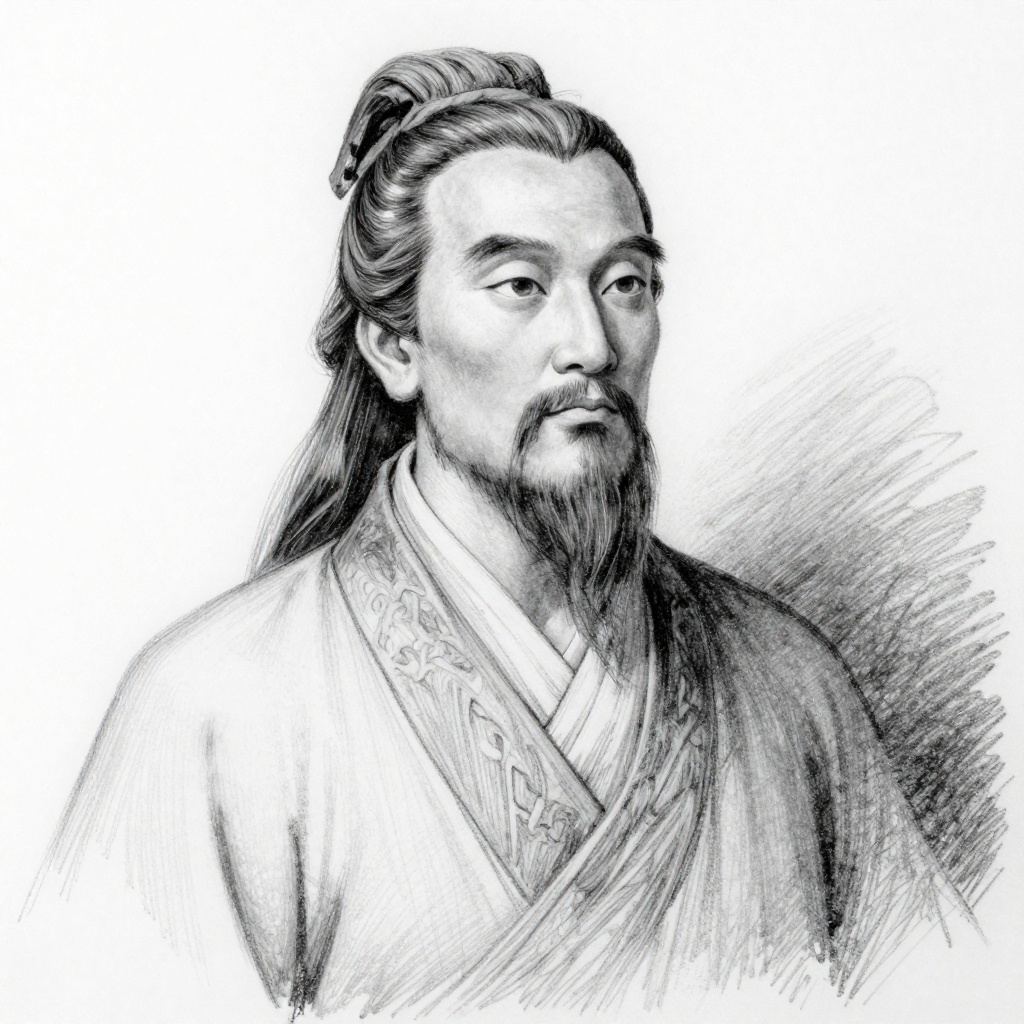
Comments