Quote · Added 9 February 2026
To know what you know and what you do not know, that is true knowledge.
ConfuciusAnalects 2.17, 2003
No ratings yet
Filed underknowledge·understanding·wisdom
Quote · Added 9 February 2026
Filed underknowledge·understanding·wisdom
We live in an age of confidence. Someone has a TED talk, a podcast, a YouTube channel, and suddenly they're narrating certainty about fields they barely understand. Meanwhile, genuinely knowledgeable people often sound more hesitant because they've actually spent time in the weeds and discovered how much remains uncertain. There's something backwards about that gap.
Confucius nails what real wisdom looks like: it's not about having all the answers. It's about having honest sight lines on what you've actually mastered versus what you haven't. When you can say "I know this deeply" about some things and "I'm genuinely lost here" about others, you're operating with actual integrity. You're not pretending. You're not bluffing your way through conversations or decisions.
The practical payoff is huge. Knowing your blind spots means you ask better questions, listen differently, and collaborate instead of posture. It keeps you humble about your limits while staying confident in your real expertise. That balance—between honest self-knowledge and honest ignorance—is what separates someone worth listening to from someone who just sounds authoritative.
d. 479
Confucius was a Chinese philosopher and teacher who lived in the 6th–5th century BC. Known for his ethical teachings, he emphasized personal and governmental morality, proper social relationships, justice, and sincerity. His ideas and philosophy, compiled in the Analects, have had a profound influence on Chinese culture and governance.
Also by Confucius
If you hate someone, then you are defeated by him.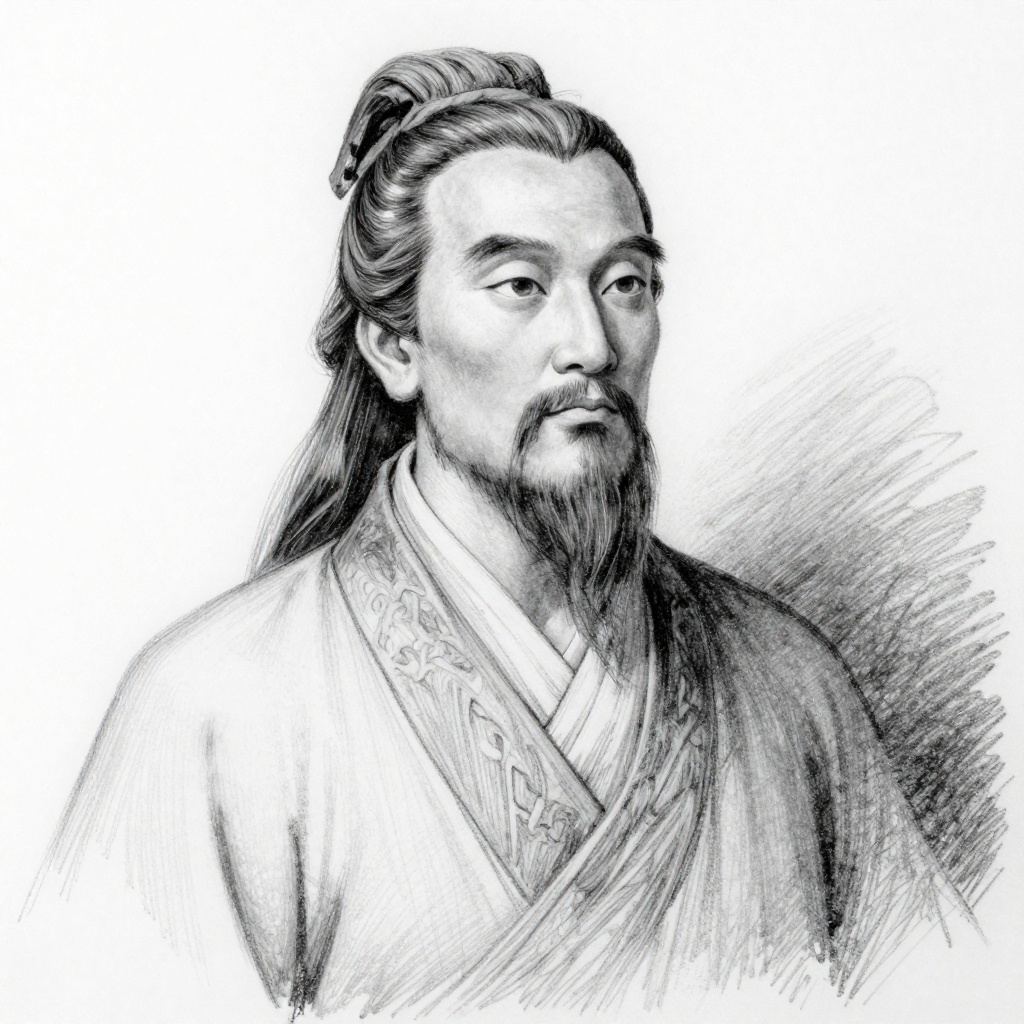
Comments