Quote · Added 14 February 2026
To be wronged is nothing unless you continue to remember it.
ConfuciusAnalects, Book 15, 2000
No ratings yet
Filed underwronged·memory·forgiveness
Quote · Added 14 February 2026
Filed underwronged·memory·forgiveness
We carry grudges like stones in our pockets, and most of the weight comes from how often we reach in and feel them. Someone says something cutting, makes a mistake that affects us, or betrays our trust—and yes, that stings in the moment. But Confucius is pointing at something we actually control: whether we keep reaching back into that moment, replaying it, letting it define how we see that person or ourselves.
The tricky part is that remembering feels like justice. If we forget, doesn't that mean what happened didn't matter? Won't the other person get away with it? But here's the thing: holding onto resentment doesn't actually punish them—it punishes us, quietly, every time we mentally revisit the scene. You're the one still in that moment while they've moved on. The wound itself might fade naturally if we didn't keep picking at it.
This doesn't mean forgiving means forgetting, or that accountability doesn't matter. It means recognizing the difference between learning from what happened and marinating in it. The real power isn't in whether something wronged you—life happens. The power is in deciding when to set the stone down.
d. 479
Confucius was a Chinese philosopher and teacher who lived in the 6th–5th century BC. Known for his ethical teachings, he emphasized personal and governmental morality, proper social relationships, justice, and sincerity. His ideas and philosophy, compiled in the Analects, have had a profound influence on Chinese culture and governance.
Also by Confucius
If you hate someone, then you are defeated by him.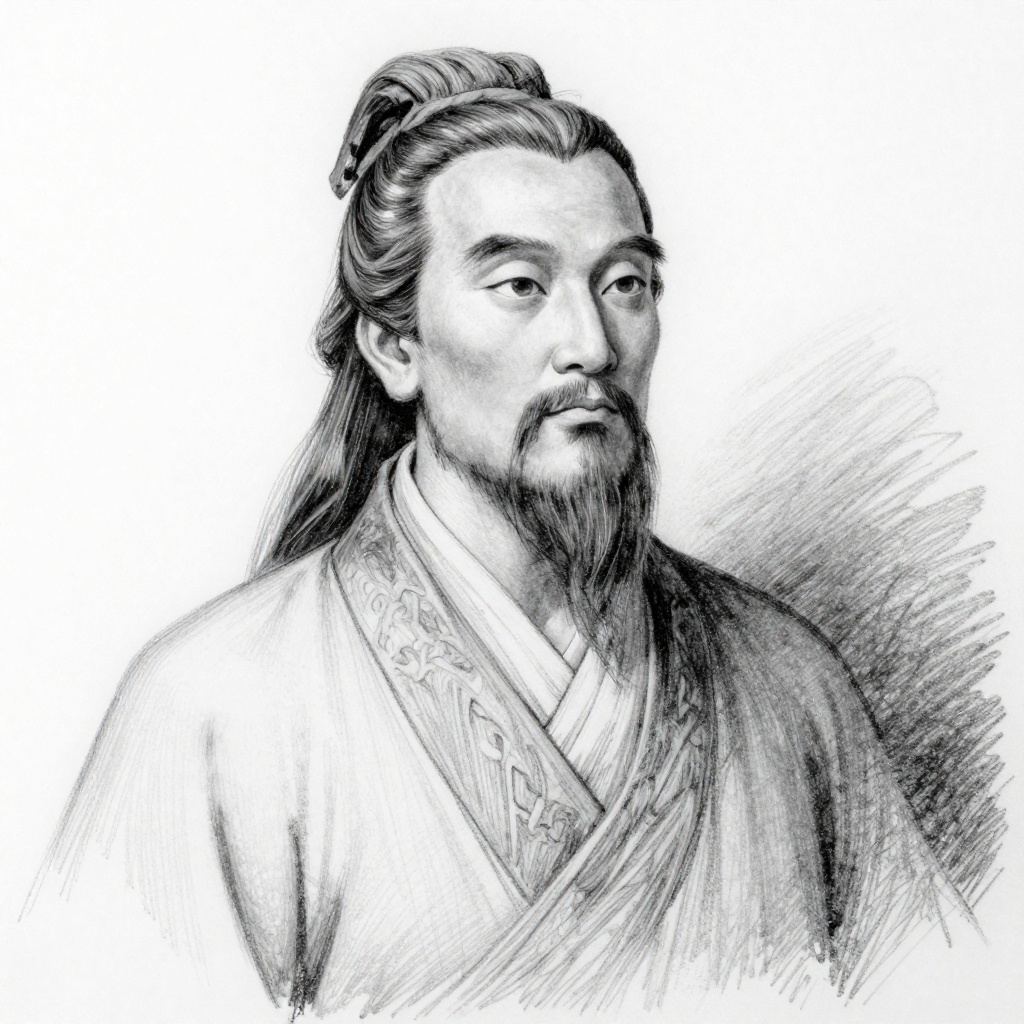
Comments