Quote · Added 14 February 2026
The superior man makes the difficulty to be overcome his first interest; success only comes later.
ConfuciusAnalects, Book 15, 2001
No ratings yet
Filed underdifficulty·success·perseverance
Quote · Added 14 February 2026
Filed underdifficulty·success·perseverance
We're taught to stay motivated by imagining the finish line—the promotion, the completed project, the perfect outcome. But there's something backwards about that approach. The moment you're fixated on success itself, you've already started compromising on the actual work that gets you there. You cut corners. You rush through the hard parts. You chase quick wins instead of real ones.
What Confucius is pointing at is almost counterintuitive: the people who end up genuinely successful aren't the ones obsessing over success. They're the ones who become fascinated by the obstacle itself. They want to understand why something is hard. They're curious about the gap between where they are and where they need to be, not resentful of it. This shift in attention—from outcome to challenge—is what actually changes the quality of your work. You stop grinding through difficulty and start learning from it.
This matters now more than ever, when we're surrounded by success stories and highlight reels. The real competitive advantage isn't having bigger goals; it's having a genuine relationship with hard things. People who treat obstacles as interesting puzzles rather than irritating hurdles naturally produce better work, develop deeper skills, and ironically, end up with more to show for their efforts.
d. 479
Confucius was a Chinese philosopher and teacher who lived in the 6th–5th century BC. Known for his ethical teachings, he emphasized personal and governmental morality, proper social relationships, justice, and sincerity. His ideas and philosophy, compiled in the Analects, have had a profound influence on Chinese culture and governance.
Also by Confucius
If you hate someone, then you are defeated by him.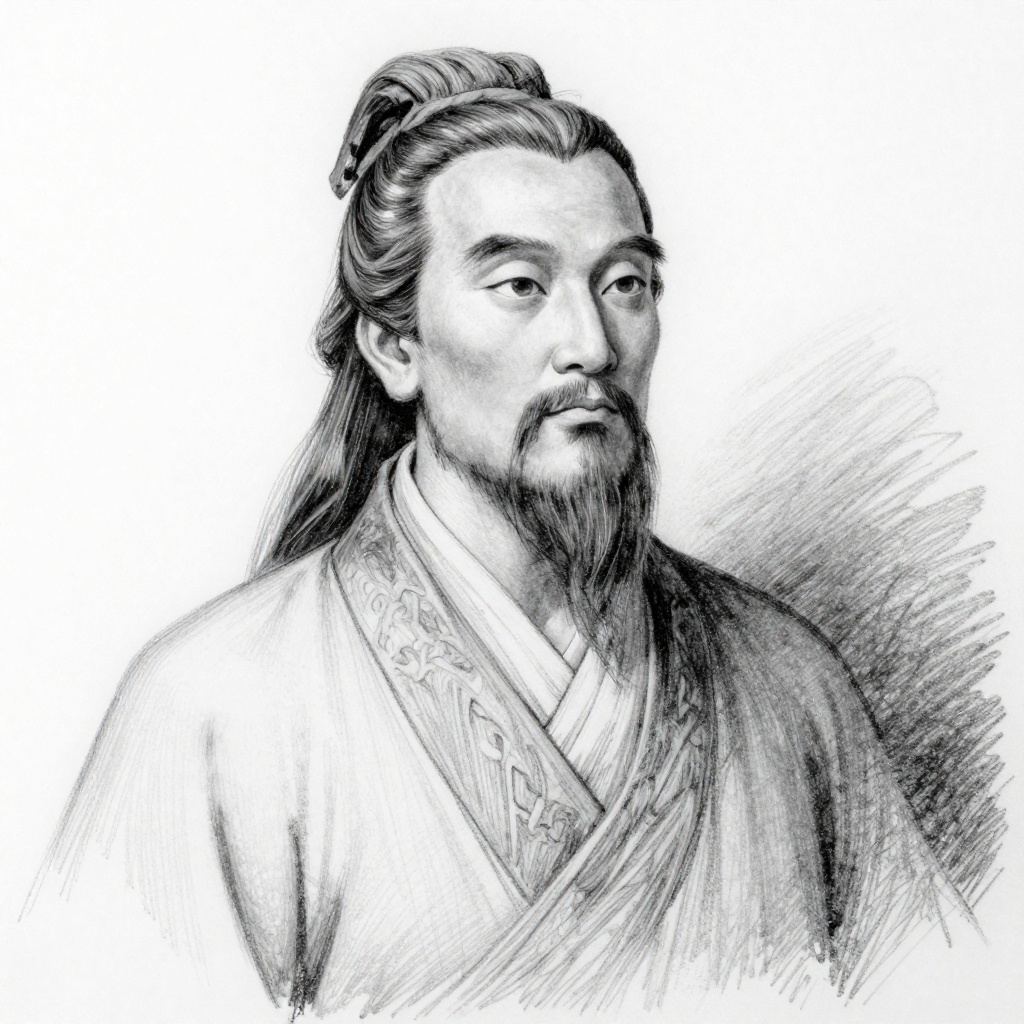
Comments