Quote · Added 14 February 2026
The cautious seldom err.
ConfuciusAnalects, Book 2, 2001
No ratings yet
Quote · Added 14 February 2026
There's something oddly modern about this Confucian observation, even though we live in an age that celebrates risk-taking and bold moves. The careful person—the one who checks twice before sending the email, who reads the contract, who asks clarifying questions—rarely finds themselves in genuine trouble. They sidestep the preventable disasters that catch everyone else off guard.
But here's where it gets interesting: being cautious doesn't mean being paralyzed. Confucius wasn't arguing for fearfulness or endless deliberation. He was pointing out that mistakes often come from rushing, from skipping steps, from assuming you know more than you do. In a world obsessed with moving fast, this feels quietly radical. The person who takes an extra five minutes usually outperforms the person who doesn't, at least when it comes to avoiding regrettable mistakes.
The tension worth sitting with is that caution also has a cost—it can mean missed opportunities, slower progress, or a life lived somewhat smaller than it could be. But Confucius seems to be saying something simpler: if you want fewer problems, fewer failures, fewer explanations to give, simply slow down and think. Most errors aren't bad luck. They're the result of skipping what we already knew we should do.
d. 479
Confucius was a Chinese philosopher and teacher who lived in the 6th–5th century BC. Known for his ethical teachings, he emphasized personal and governmental morality, proper social relationships, justice, and sincerity. His ideas and philosophy, compiled in the Analects, have had a profound influence on Chinese culture and governance.
Also by Confucius
If you hate someone, then you are defeated by him.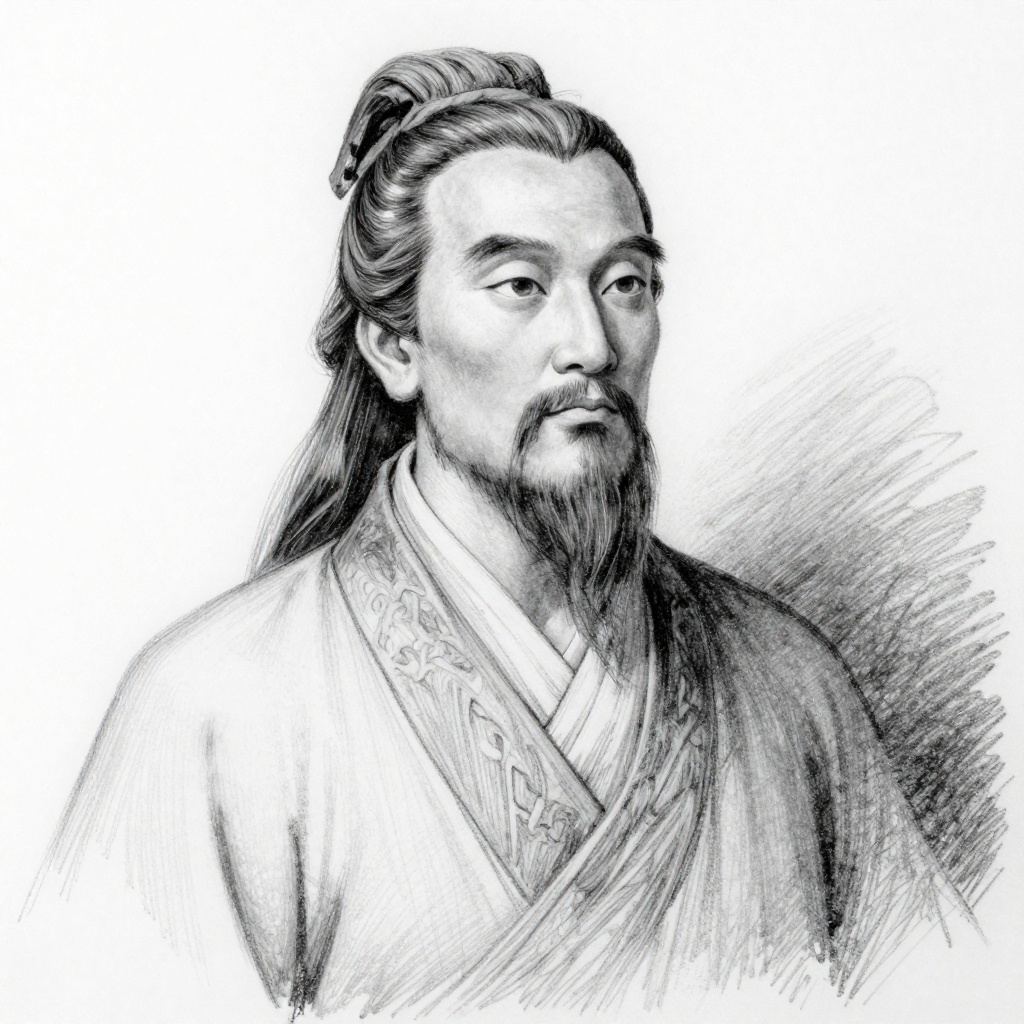
Comments