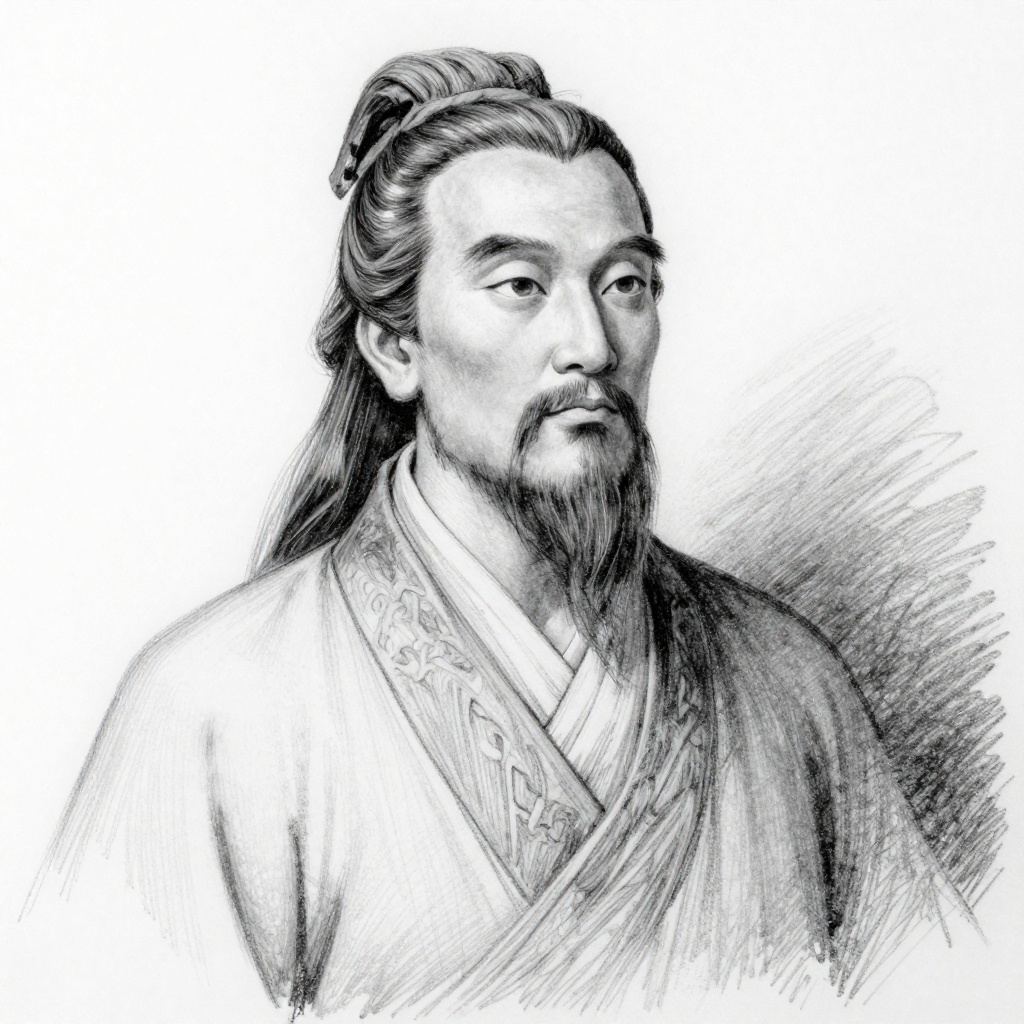
Old age, believe me, is a good and pleasant thing. It is true you are gently shouldered off the stage, but the... — Confucius

Old age, believe me, is a good and pleasant thing. It is true you are gently shouldered off the stage, but then you are given such a comfortable front stall as spectator.

Author: Confucius

Insight: There's something almost subversive about calling old age "good and pleasant" when so much of our culture treats it like a slow fade into irrelevance. But Confucius is pointing at something real: there's a particular kind of freedom that comes when you stop being the one who has to perform. You're no longer scrambling for the lead role, competing, proving yourself, carrying the weight of others' expectations on your shoulders. That pressure finally lifts. The shift he describes isn't a demotion—it's a vantage point shift. Think about how exhausting it is to be in the thick of things, making the calls, managing outcomes, always needing to be "on." A front-row seat as spectator means you can actually see the full picture. You notice patterns others miss. You can laugh at absurdities without needing to fix them. You have perspective earned through having lived it. What's worth sitting with is that this reframes aging not as loss but as a genuine trade. Yes, you're stepping back. But you're trading the burden of performance for the clarity of observation. In a society obsessed with staying "relevant" and active at all costs, there's quiet wisdom in acknowledging that watching well, understanding deeply, and being present—without needing to control the outcome—might be its own kind of power.

The Comfort of Stepping Back

Old age, believe me, is a good and pleasant thing. It is true you are gently shouldered off the stage, but then you are given such a comfortable front stall as spectator.

There's something almost subversive about calling old age "good and pleasant" when so much of our culture treats it like a slow fade into irrelevance. But Confucius is pointing at something real: there's a particular kind of freedom that comes when you stop being the one who has to perform. You're no longer scrambling for the lead role, competing, proving yourself, carrying the weight of others' expectations on your shoulders. That pressure finally lifts.

The shift he describes isn't a demotion—it's a vantage point shift. Think about how exhausting it is to be in the thick of things, making the calls, managing outcomes, always needing to be "on." A front-row seat as spectator means you can actually see the full picture. You notice patterns others miss. You can laugh at absurdities without needing to fix them. You have perspective earned through having lived it.

What's worth sitting with is that this reframes aging not as loss but as a genuine trade. Yes, you're stepping back. But you're trading the burden of performance for the clarity of observation. In a society obsessed with staying "relevant" and active at all costs, there's quiet wisdom in acknowledging that watching well, understanding deeply, and being present—without needing to control the outcome—might be its own kind of power.

AI generated

Comments

Sign in to leave a comment or reply to one.

Sign in

Confucius

Confucius was a Chinese philosopher and teacher who lived in the 6th–5th century BC. Known for his ethical teachings, he emphasized personal and governmental morality, proper social relationships, justice, and sincerity. His ideas and philosophy, compiled in the Analects, have had a profound influence on Chinese culture and governance.

Graph

Related