Quote · Added 10 February 2026
Life is really simple, but we insist on making it complicated.
ConfuciusSimply This: Living an Uncomplicated Life, Psychology Today, 2023
No ratings yet
Filed underlife·simplicity·complexity
Quote · Added 10 February 2026
Filed underlife·simplicity·complexity
We all know the feeling of solving a problem by simply stopping. You've been stuck on something for hours—a relationship tension, a work decision, a financial worry—and then you talk to someone who says, "Why don't you just...?" and suddenly it's obvious. The solution was there the whole time, buried under layers of overthinking, worst-case scenarios, and complicated strategies we've built up around it.
The trap is that our brains genuinely feel like they're helping when they're adding complexity. We mistake complications for sophistication. We assume that if something feels hard, we need a harder solution. But often what's actually happening is we're solving an imaginary version of the problem rather than the real one. We're arguing with ourselves instead of having the actual conversation. We're planning for disasters instead of dealing with what's in front of us.
The practical truth: when you feel stuck or anxious about something, it's worth asking what you're adding to it. What if you removed one layer of fear, one assumption, one "what if"? Most of life's weight comes from the stories we tell ourselves, not from the situations themselves. Simplifying isn't about being naive—it's about having the clarity to see what actually matters.
d. 479
Confucius was a Chinese philosopher and teacher who lived in the 6th–5th century BC. Known for his ethical teachings, he emphasized personal and governmental morality, proper social relationships, justice, and sincerity. His ideas and philosophy, compiled in the Analects, have had a profound influence on Chinese culture and governance.
Also by Confucius
If you hate someone, then you are defeated by him.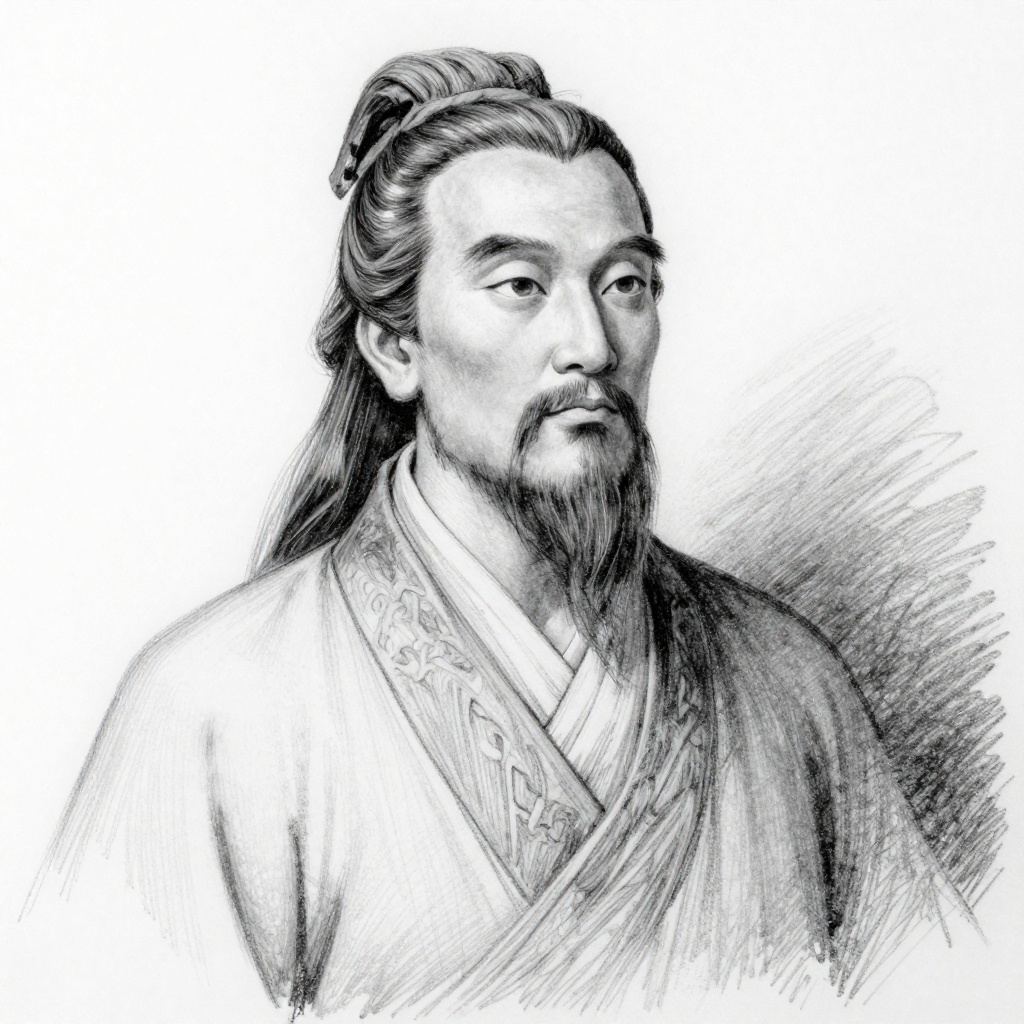
Comments