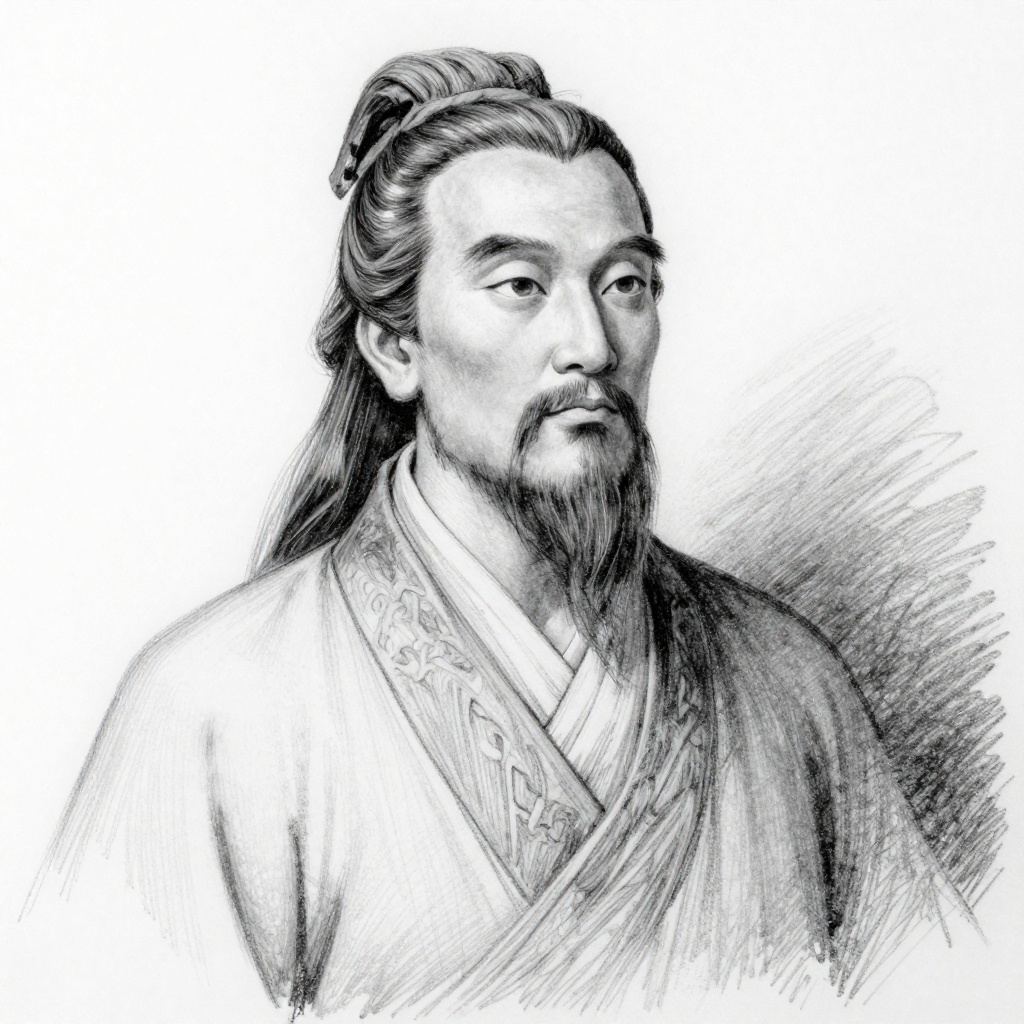
It is easy to hate and it is difficult to love. This is how the whole scheme of things works. All good things... — Confucius

It is easy to hate and it is difficult to love. This is how the whole scheme of things works. All good things are difficult to achieve; and bad things are very easy to get.

Author: Confucius

Insight: There's something almost depressingly honest about this. We've all noticed it: anger feels like it arrives fully formed, needing almost no fuel, while genuine care requires constant effort and attention. A single negative comment can dominate your mood for hours, but the person who helped you yesterday gets forgotten by next week. It's just how our brains are wired—we're built to notice threats and problems more vividly than kindness. The real insight here isn't just that love is harder. It's that this imbalance is structural, not a personal failing. You don't need a plan to slip into resentment; you need one to stay close to someone through conflict. You don't need discipline to scroll endlessly or eat the cake; you need it to show up for the difficult work of building something real. Most of us feel this backwards—like everyone else finds connection easy and we're the ones struggling. But the struggle is the actual normal state for all of us. This doesn't mean give up. It means stop being surprised by the effort required. Stop thinking that genuine relationships, meaningful work, or personal growth shouldn't feel this demanding. They're supposed to. The difficulty isn't a sign you're doing it wrong; it's proof you're doing something worth doing.

Why easy things feel natural

It is easy to hate and it is difficult to love. This is how the whole scheme of things works. All good things are difficult to achieve; and bad things are very easy to get.

There's something almost depressingly honest about this. We've all noticed it: anger feels like it arrives fully formed, needing almost no fuel, while genuine care requires constant effort and attention. A single negative comment can dominate your mood for hours, but the person who helped you yesterday gets forgotten by next week. It's just how our brains are wired—we're built to notice threats and problems more vividly than kindness.

The real insight here isn't just that love is harder. It's that this imbalance is structural, not a personal failing. You don't need a plan to slip into resentment; you need one to stay close to someone through conflict. You don't need discipline to scroll endlessly or eat the cake; you need it to show up for the difficult work of building something real. Most of us feel this backwards—like everyone else finds connection easy and we're the ones struggling. But the struggle is the actual normal state for all of us.

This doesn't mean give up. It means stop being surprised by the effort required. Stop thinking that genuine relationships, meaningful work, or personal growth shouldn't feel this demanding. They're supposed to. The difficulty isn't a sign you're doing it wrong; it's proof you're doing something worth doing.

AI generated

Comments

Sign in to leave a comment or reply to one.

Sign in

Confucius

Confucius was a Chinese philosopher and teacher who lived in the 6th–5th century BC. Known for his ethical teachings, he emphasized personal and governmental morality, proper social relationships, justice, and sincerity. His ideas and philosophy, compiled in the Analects, have had a profound influence on Chinese culture and governance.

Graph

Related