Quote · Added 25 August 2023
It does not matter how slowly you go as long as you do not stop.
ConfuciusAnalects, Book 4, 2nd century BCE
No ratings yet
Filed underprogress·persistence·motivation
Quote · Added 25 August 2023
Filed underprogress·persistence·motivation
We live in a culture obsessed with speed. You're supposed to hustle, scale fast, crush your goals by next quarter. So when someone tells you that slowness is fine, it can feel like permission to slack off. But that's not what this wisdom actually says. It's not about pace at all—it's about continuity. The person who moves forward one inch per day for a year travels 365 inches. The person who moves fast for three weeks then quits goes nowhere.
The real insight is about momentum and identity. When you stop, you don't just pause progress—you break the thread of who you're becoming. A runner who takes a week off is still a runner. Someone who quits running for six months? They're someone who used to run. The slowness that matters is the opposite of laziness; it's the slow, steady commitment that looks boring but actually compounds into real change. You see this everywhere: the person who reads one chapter a night eventually finishes the book. The amateur guitarist who practices thirty minutes daily eventually plays well. The friend who checks in monthly actually maintains the relationship.
The uncomfortable truth is that slow consistency is rarer than intense bursts. Anyone can sprint. But staying in motion, even at a crawl, requires something harder: showing up when it doesn't feel urgent, when nobody's watching, when the results aren't visible yet.
d. 479
Confucius was a Chinese philosopher and teacher who lived in the 6th–5th century BC. Known for his ethical teachings, he emphasized personal and governmental morality, proper social relationships, justice, and sincerity. His ideas and philosophy, compiled in the Analects, have had a profound influence on Chinese culture and governance.
Also by Confucius
If you hate someone, then you are defeated by him.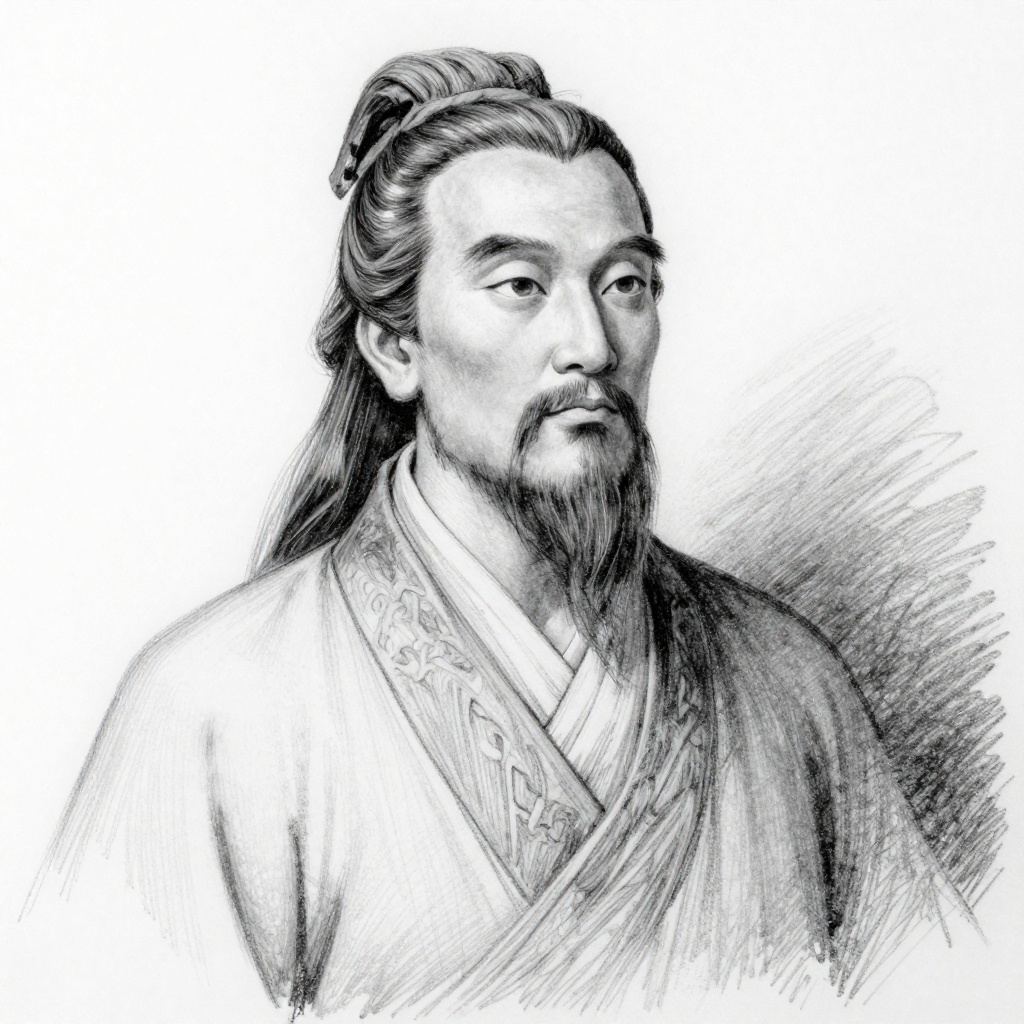
Comments