Quote · Added 14 February 2026
In a country well governed, poverty is something to be ashamed of. In a country badly governed, wealth is something to be ashamed of.
ConfuciusAnalects, Book 1, 2001
No ratings yet
Filed underpoverty·governance·wealth
Quote · Added 14 February 2026
Filed underpoverty·governance·wealth
This observation hits harder in our current moment than it might seem. On the surface, it's about governance and fairness—a decent society lifts people out of hardship, while a corrupt or neglectful one leaves poverty as a personal failing. But flip it around, and you notice something uncomfortable: when systems break down, having money starts to feel morally suspect. You begin wondering if you succeeded through merit or luck or exploitation. That guilt isn't irrational; it's actually a sign the system itself has become illegitimate.
The real sting is that both scenarios reveal the same thing: whose fault the problem actually is. When you look around and see poverty everywhere despite people working hard, the shame shouldn't land on them. When wealth becomes something to hide or apologize for, that's a symptom that the rules of the game have rotted. Confucius is essentially saying that collective shame is a diagnostic tool. It points toward where the real problem lives—not in individuals, but in institutions. The countries we might want to live in are the rare ones where neither poverty nor wealth requires embarrassment.
d. 479
Confucius was a Chinese philosopher and teacher who lived in the 6th–5th century BC. Known for his ethical teachings, he emphasized personal and governmental morality, proper social relationships, justice, and sincerity. His ideas and philosophy, compiled in the Analects, have had a profound influence on Chinese culture and governance.
Also by Confucius
If you hate someone, then you are defeated by him.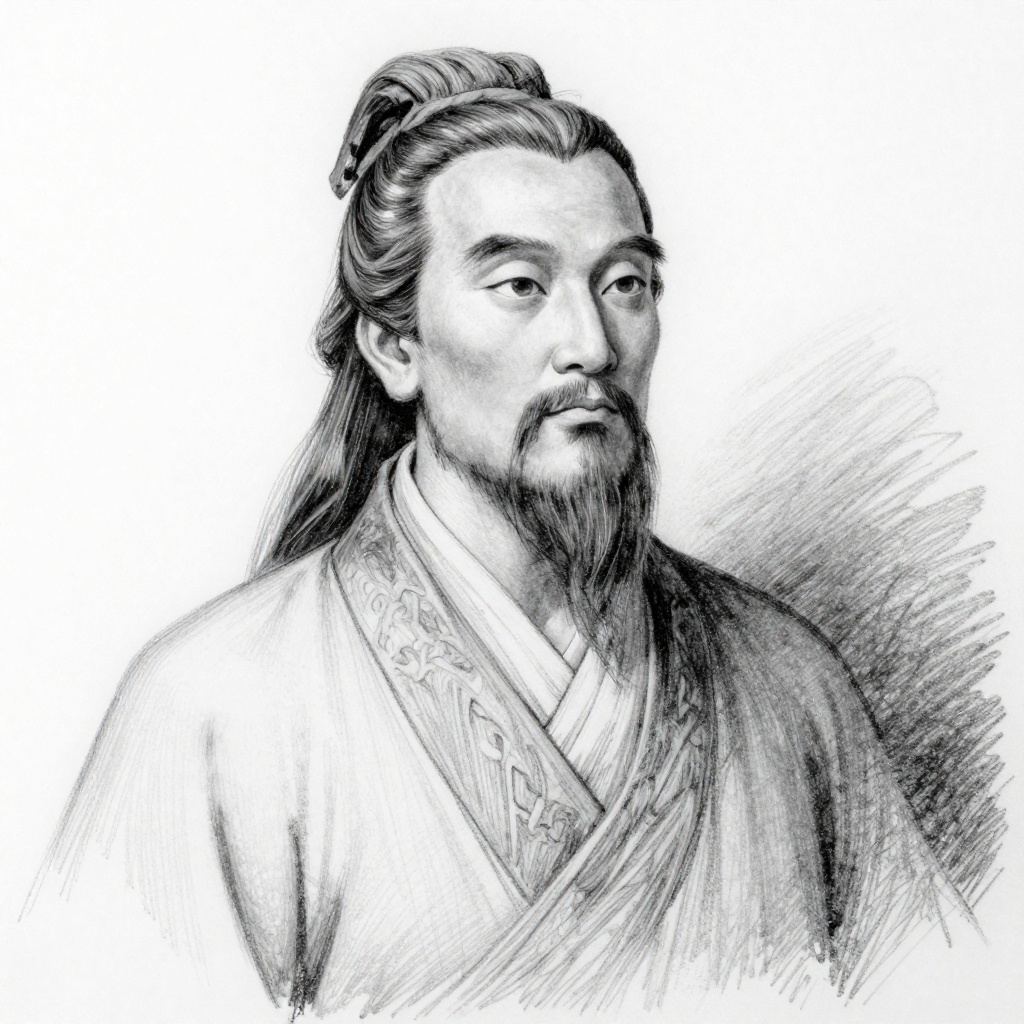
Comments