Quote · Added 14 February 2026
If you think in terms of a year, plant a seed; if in terms of ten years, plant trees; if in terms of 100 years, teach the people.
ConfuciusAnalects, Book 1, 5th century BC
No ratings yet
Quote · Added 14 February 2026
There's something quietly radical about how this quote flips what we think of as valuable work. We live in a culture obsessed with immediate results—quarterly earnings, viral moments, this week's metrics. But Confucius points out that the timeline itself tells you what tool to use. A seed is worthless if you need food tomorrow, but it's exactly right if you're thinking seasonally. The real insight isn't just "think long-term," though. It's that different problems demand different solutions, and impatience often means we're using the wrong tool altogether.
The part about teaching for a hundred years is where this gets interesting. Teaching seems slower than planting trees—you can't point to a forest and say "I did that." But Confucius understood that ideas ripple forward in ways physical objects can't. One person who shifts how people think might influence thousands over generations. It's why parents wrestle so hard with how to raise their kids, why mentors matter, why a good teacher stays in your head decades later.
The real challenge isn't choosing a timeline—it's actually believing in it. We know we should think long-term, yet we're wired to want proof today. Maybe the quote's real usefulness is permission to stop judging yourself by the wrong deadline.
d. 479
Confucius was a Chinese philosopher and teacher who lived in the 6th–5th century BC. Known for his ethical teachings, he emphasized personal and governmental morality, proper social relationships, justice, and sincerity. His ideas and philosophy, compiled in the Analects, have had a profound influence on Chinese culture and governance.
Also by Confucius
If you hate someone, then you are defeated by him.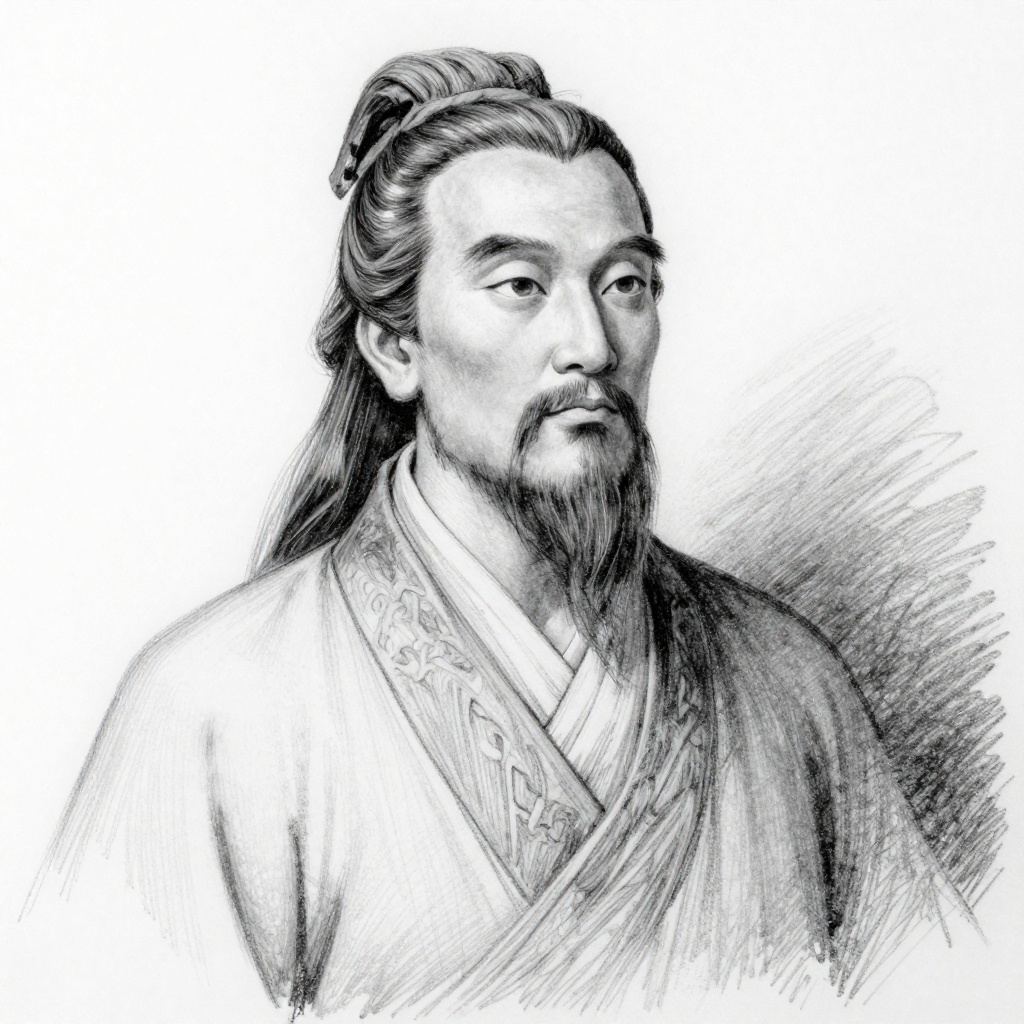
Comments